SALKA
M
Transforming Biocities
06 · Papers, Reports & Books

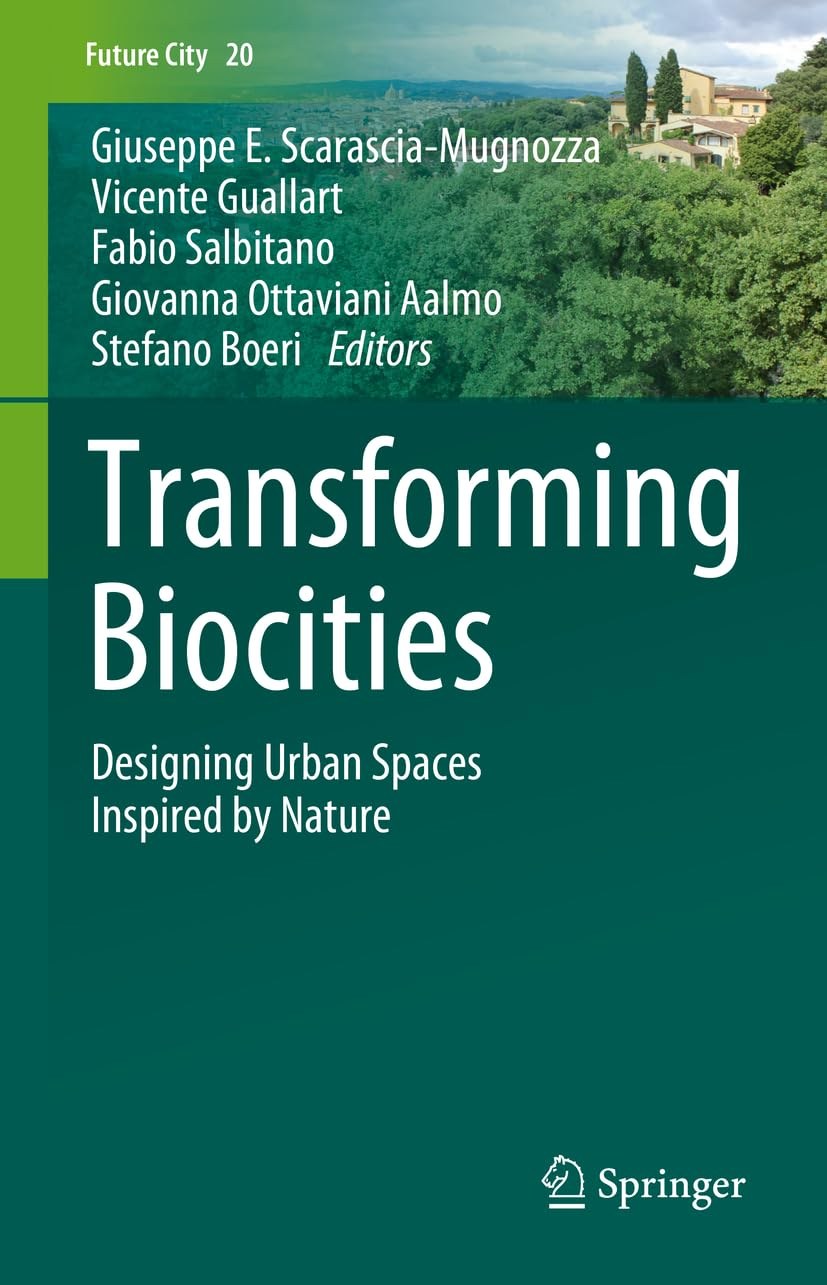
Transforming Biocities

Designing Urban Spaces Inspired by Nature

What if a city were built the way a forest is — many species, complex communities, nothing wasted?

Transforming Biocities gathers approaches for cities that behave like forest ecosystems: resilient, nature-based socio-ecological systems, applicable both to new settlements and to retrofitting existing ones. Michael co-authored three of the volume's twelve chapters — opening the book with its conceptual framework, setting out the design, material and construction models that make the idea buildable, and closing on the governance and finance conditions needed to enable it. Published by Springer in the Future City series, out of the European Forest Institute's Biocities Facility.

Role
Author of three chapters
Institution
Springer Nature · Future City series, vol. 20
Location
European Forest Institute Biocities Facility
Year
2023
Construction
Edited volume, 2023 · 12 chapters · ISBN 9783031294655

Film — Xiong'an New City

Video: Guallart Architects

Envisioning a biocity for Xiong'an New City, Baoding, China, 2020.

In the field

Transforming Biocities published by Springer Nature in their Future City series (2023)
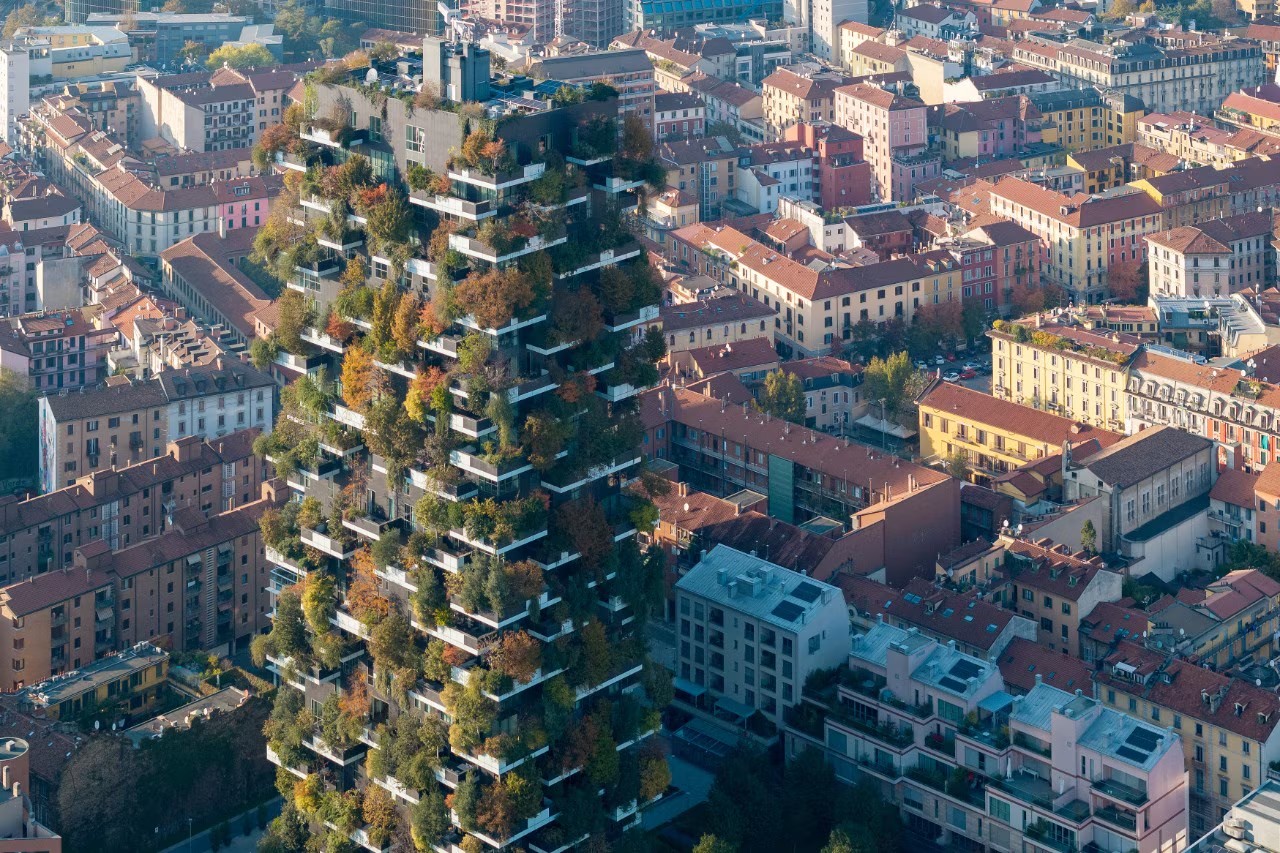
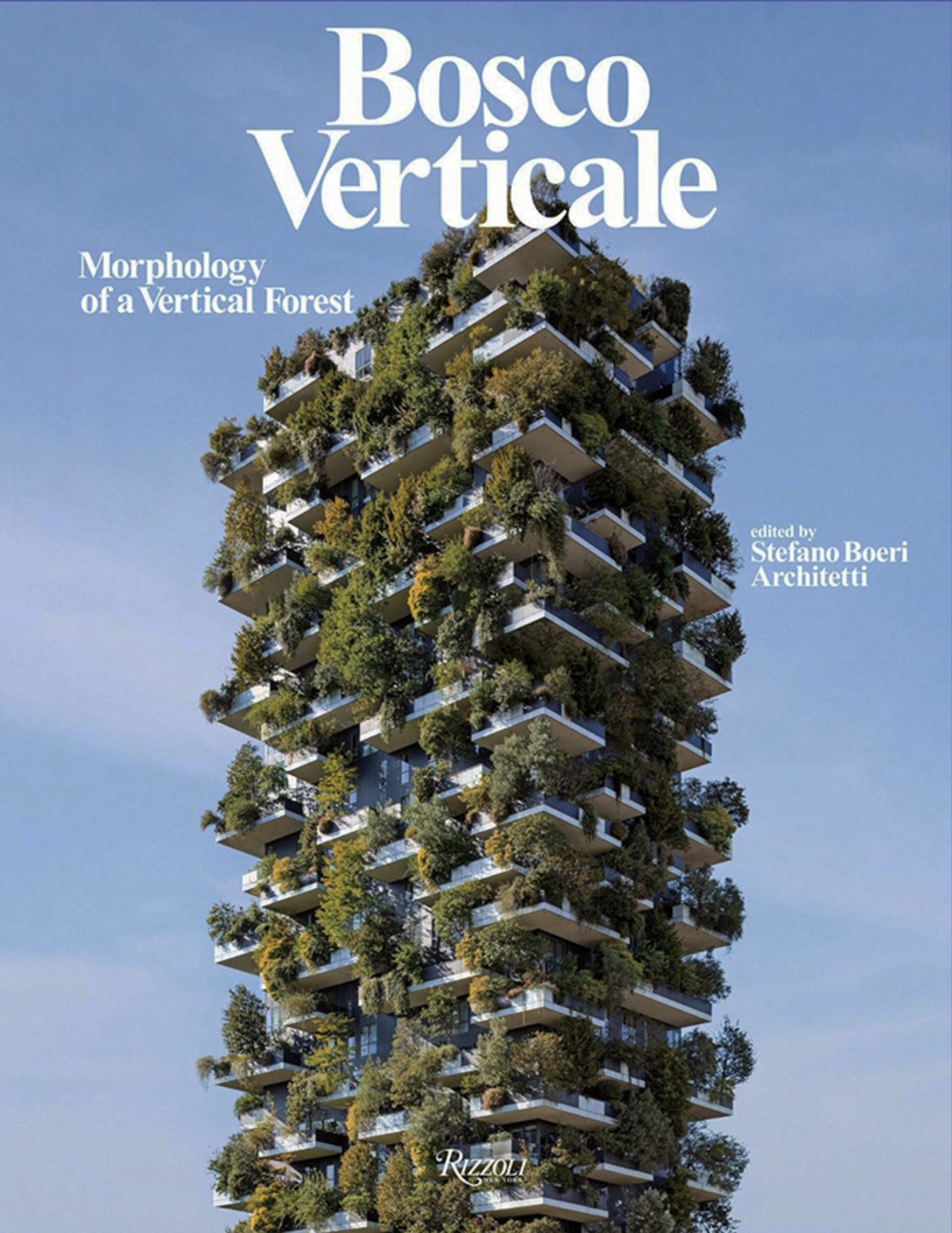
Recent popular visions of "biocities" include Milan's Bosco Vertical, designed by Stefano Boeri, a co-author of the Transforming Biocities book.
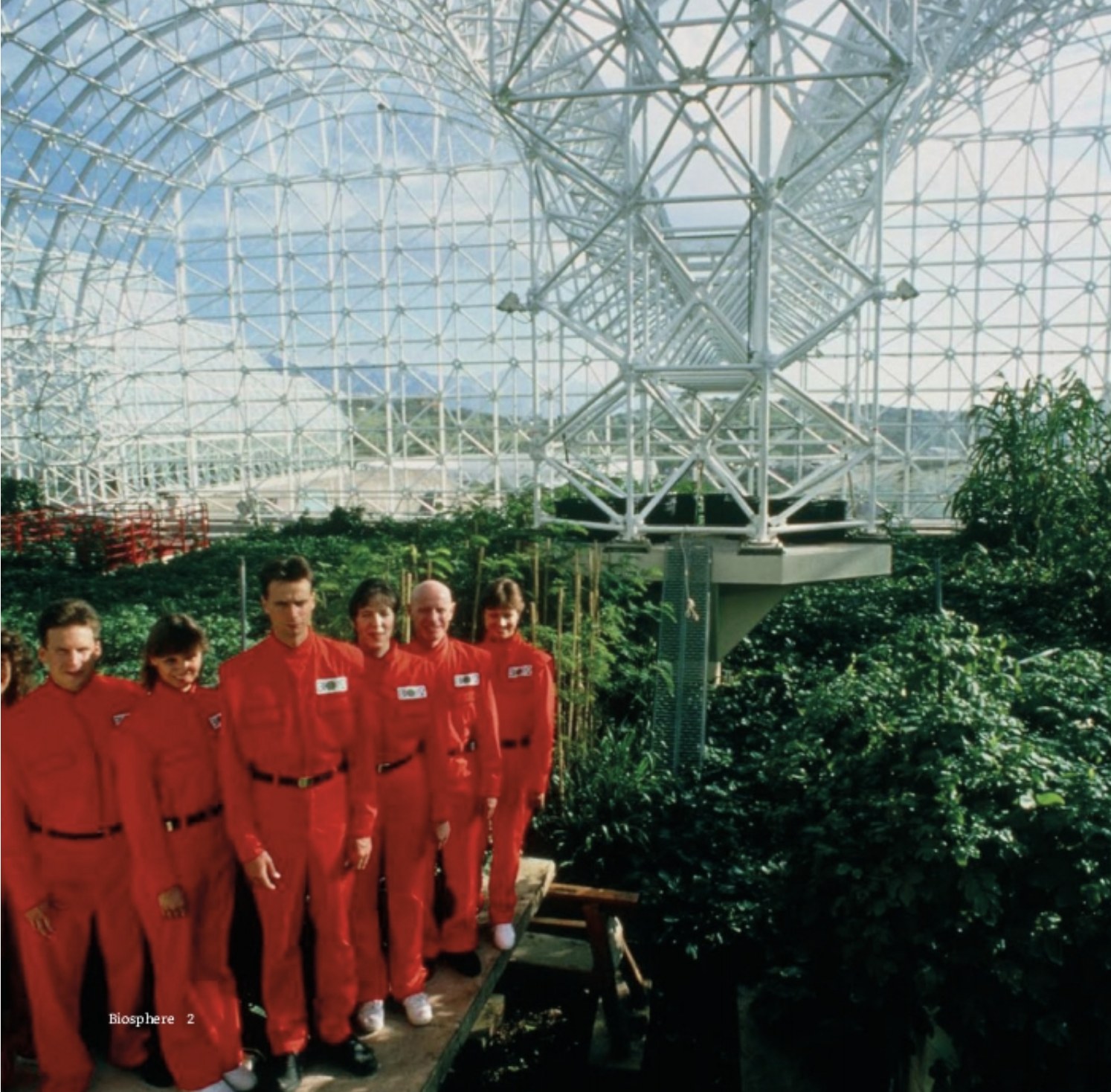
The idea of a "biocity" has enduring origins, from the mythical Gardens of Babylon through Ebenezar Howard, Biosphere 2 and beyond.
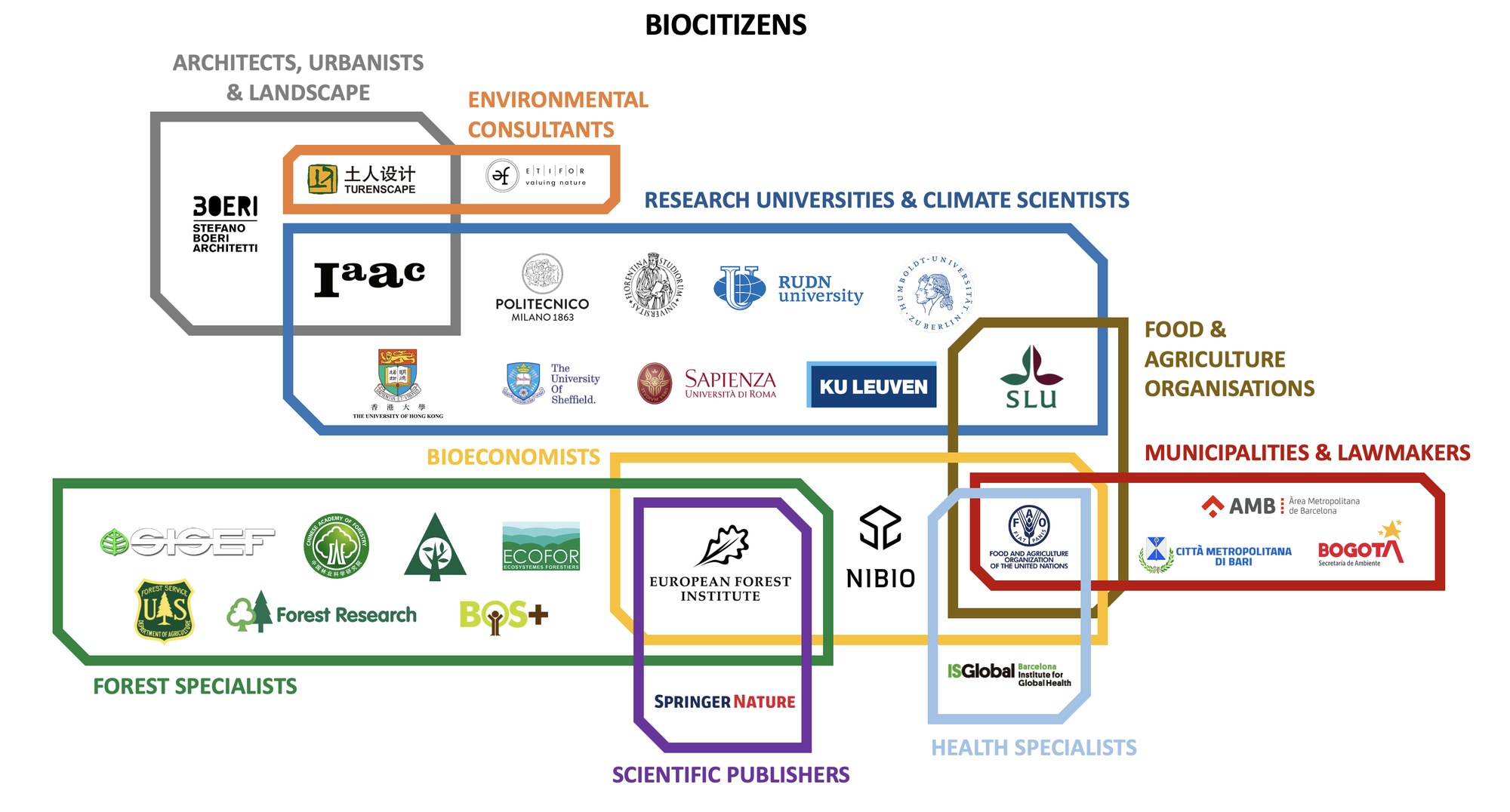
The "biocitizens" co-authoring the book represent a highly interdiscipinary group of experts.
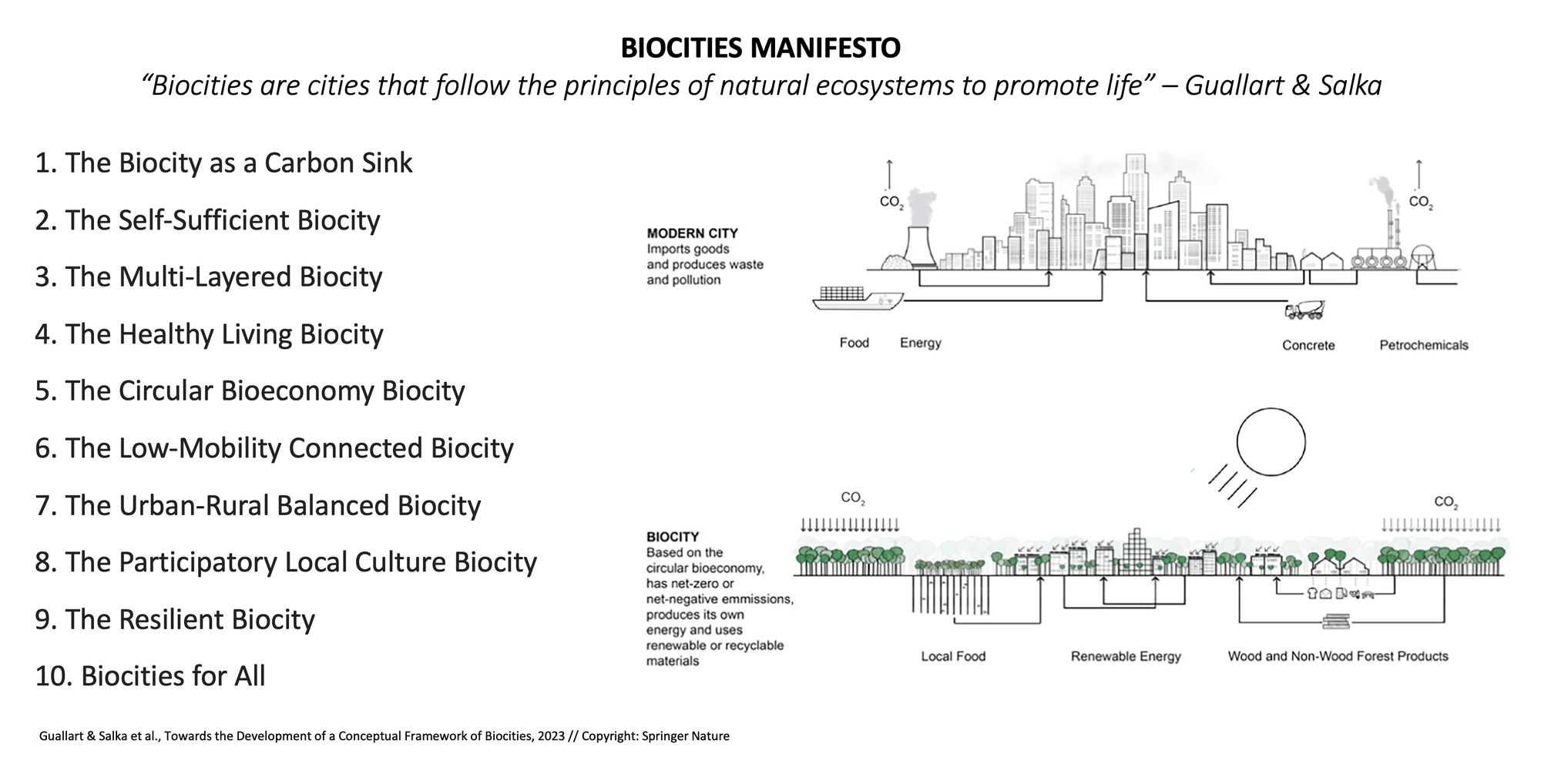
A "biocity" is defined as a city which follows the principles of natural ecosystems to promote life (Ch. 1).
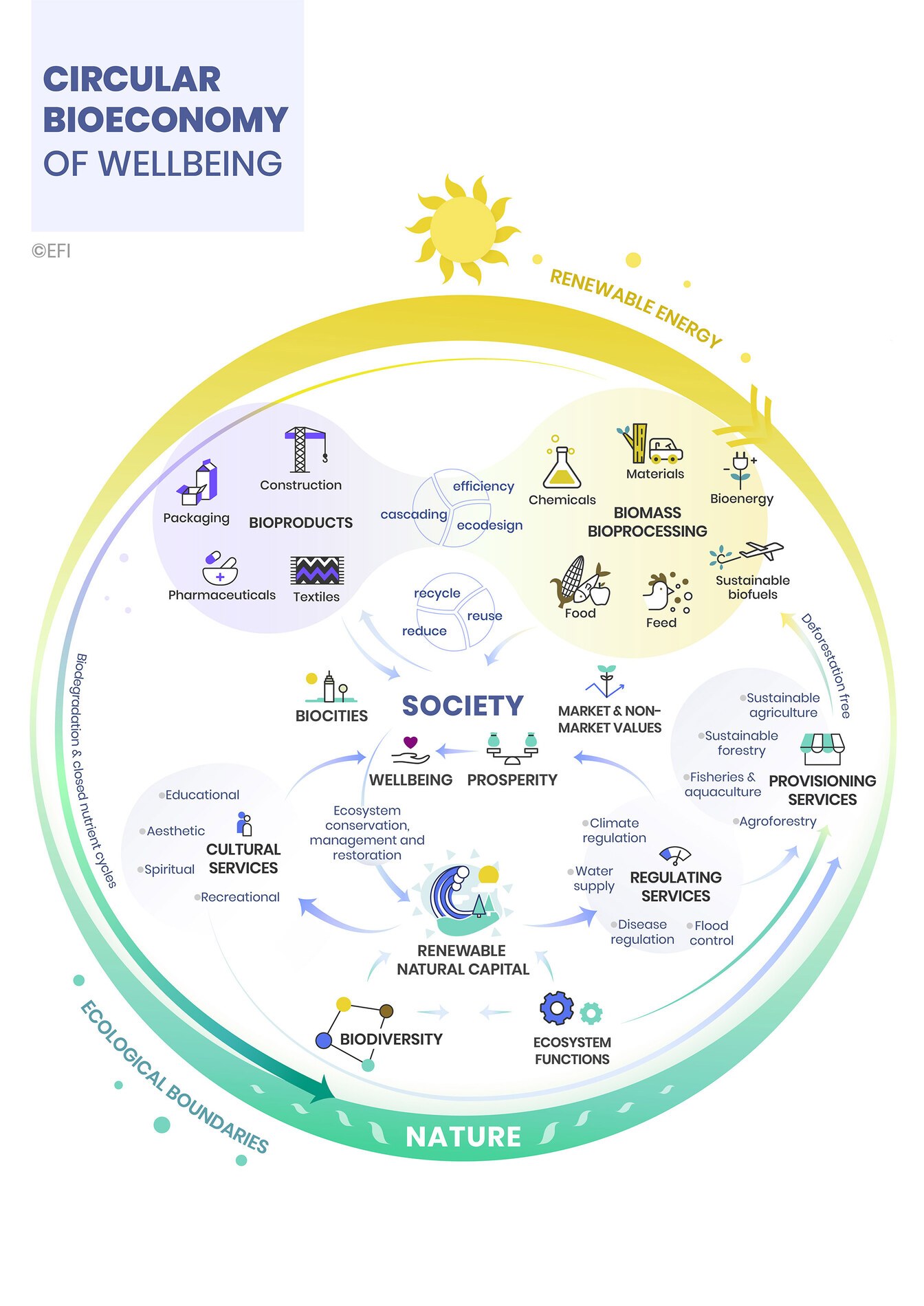
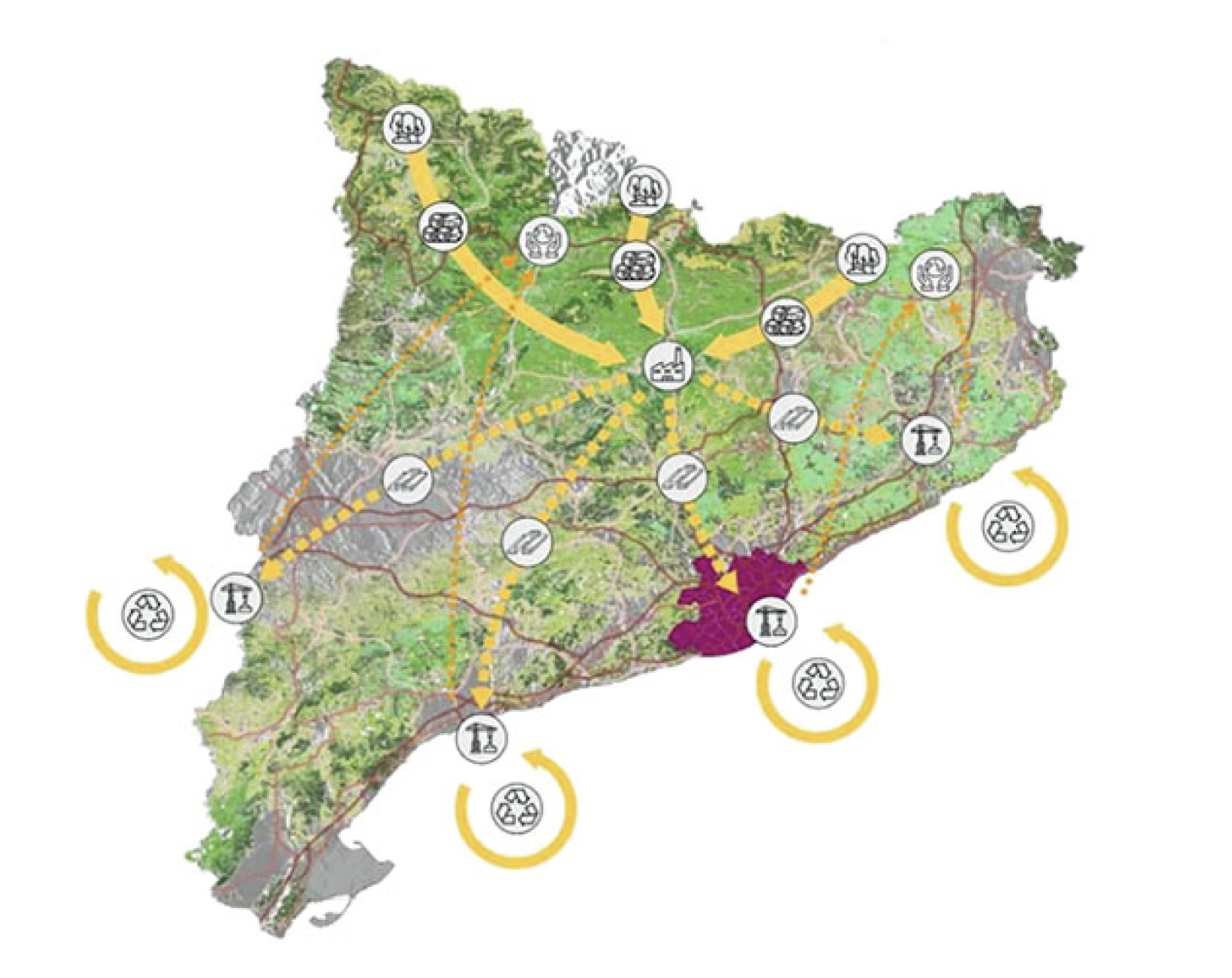
Biocity metabolisms align with the broader concept of the circular bioeconomy
The circular bioeconomics underpinning biocities mandate reciprocal exchanges between urban centers and their surrounding bioegions
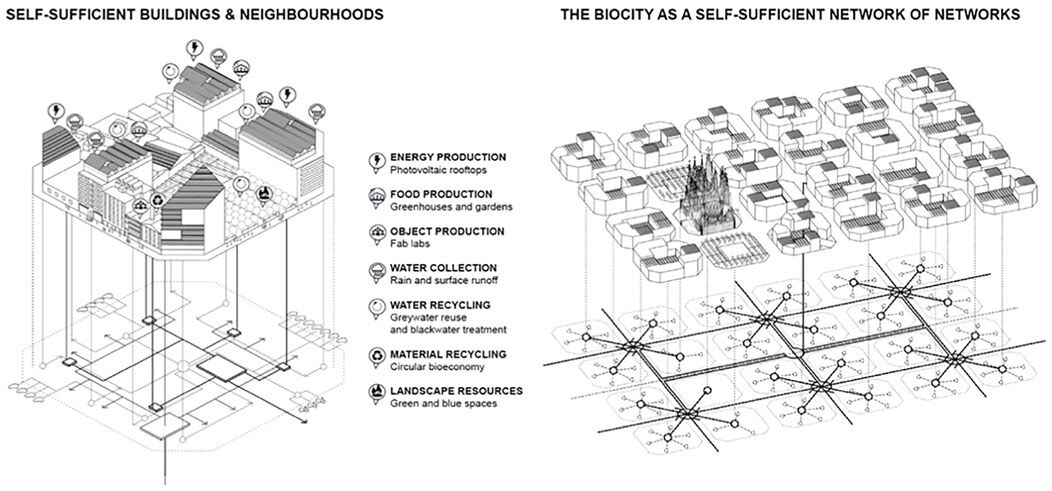
Biocities comprise of partly self-sufficient buildings gathered into self-sufficient blocks, themselves connected into a decentralized network of self-sufficient urban networks (CH. 1)
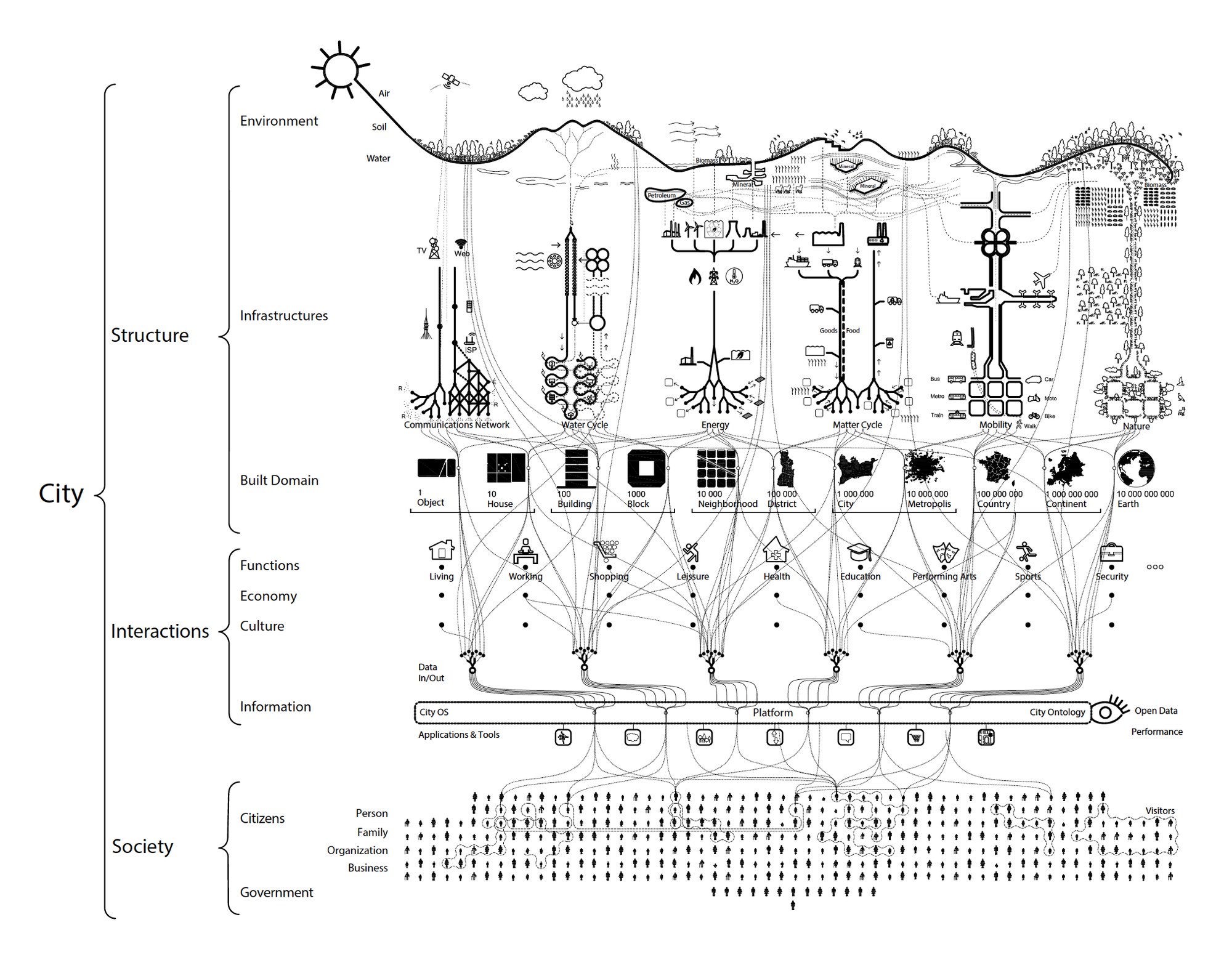
Biocities exhibit taxonomic systems of infrastructures and information organized into trees of life (Ch. 1).
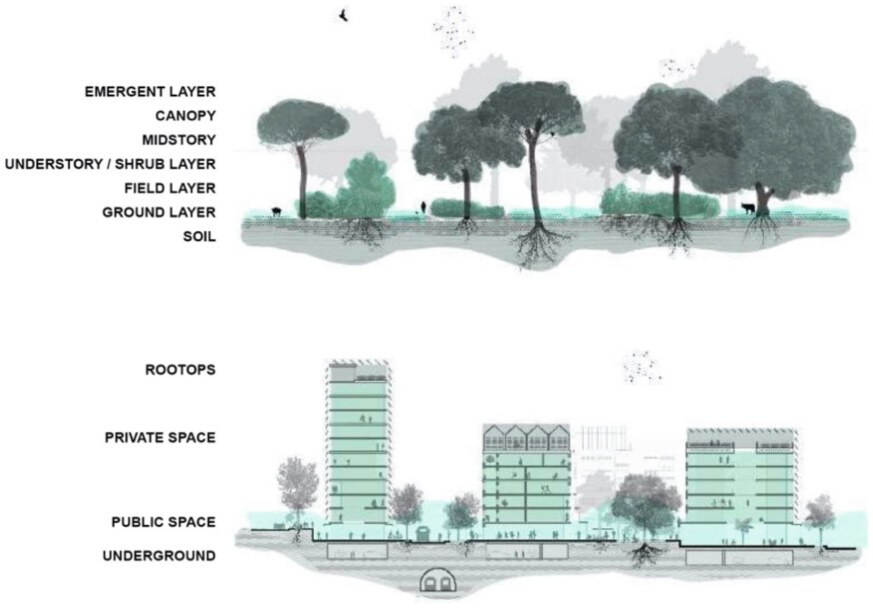
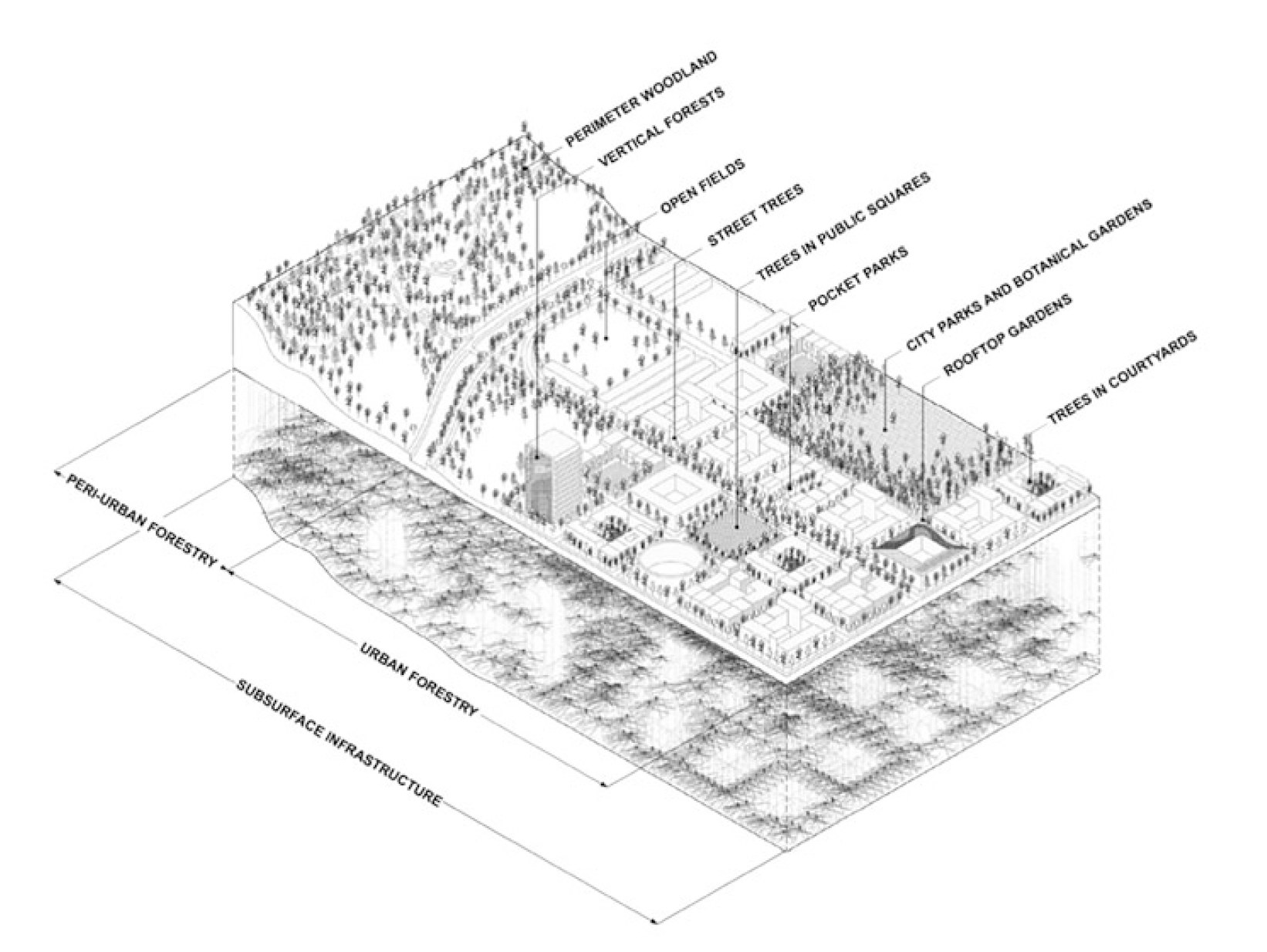
Biocities work in stacked layers of function, as do forests (Ch. 1)
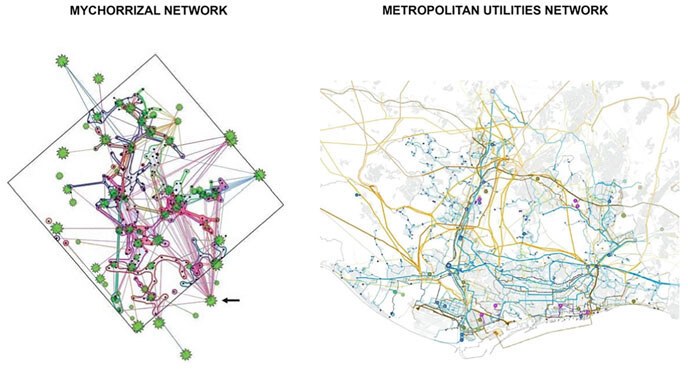
Biocity informational and infrastructural networks take inspiration from organic networks (Ch. 1)
Biocities establish a seamless ecological gradient between nature and urban core
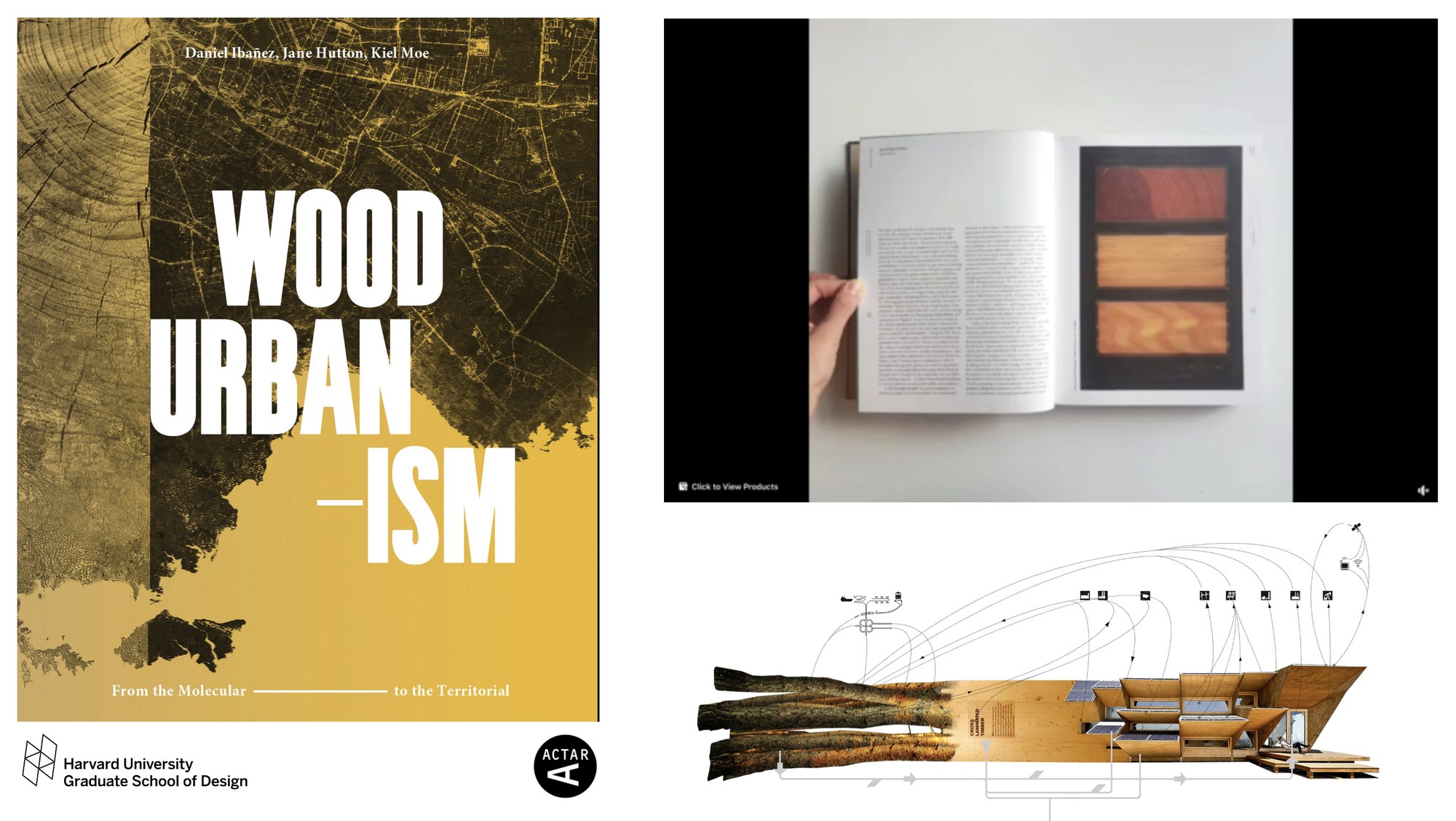
Materially, biocities expand upon the theory of Wood Urbanism (Ch. 8)
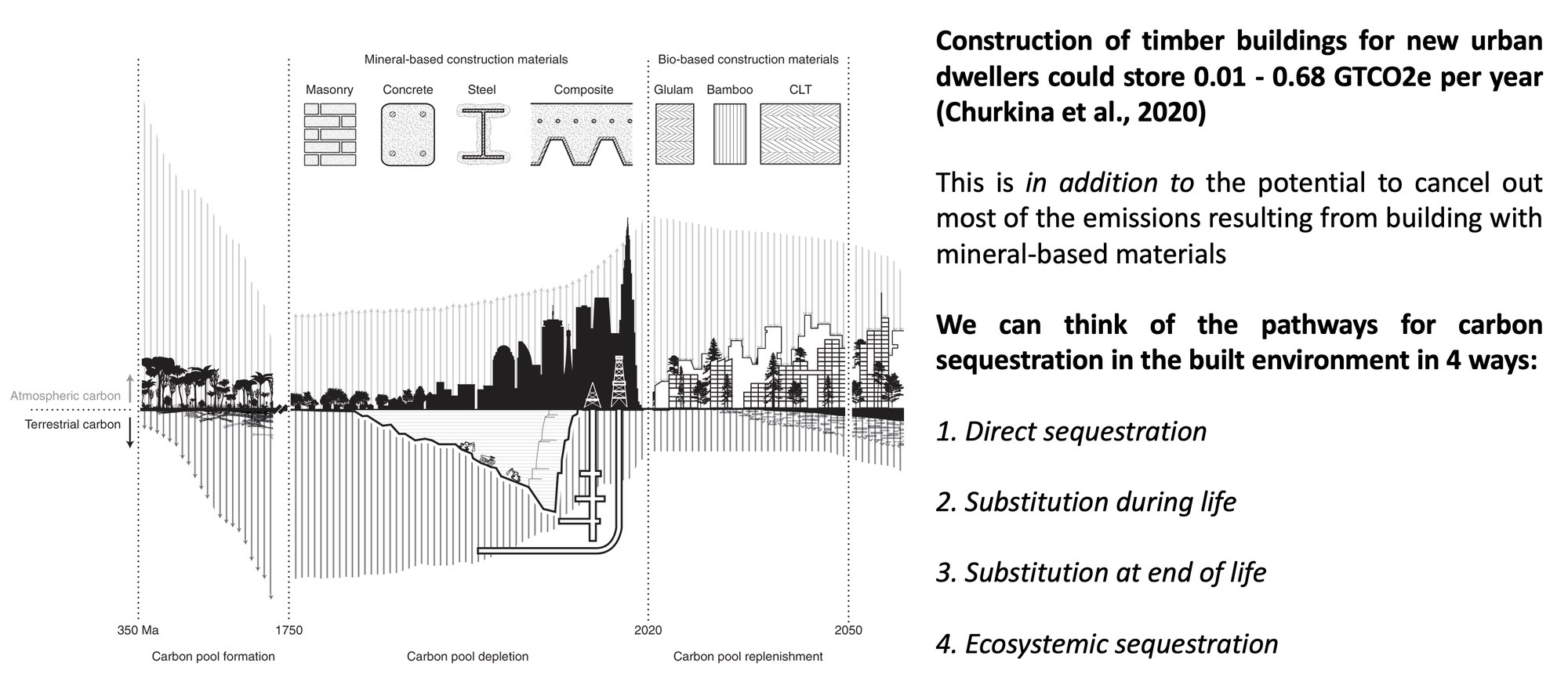
Bio-based building materials like engineered timber hold promise to transform the built environment from a carbon source into a durable carbon sink (Ch. 8)
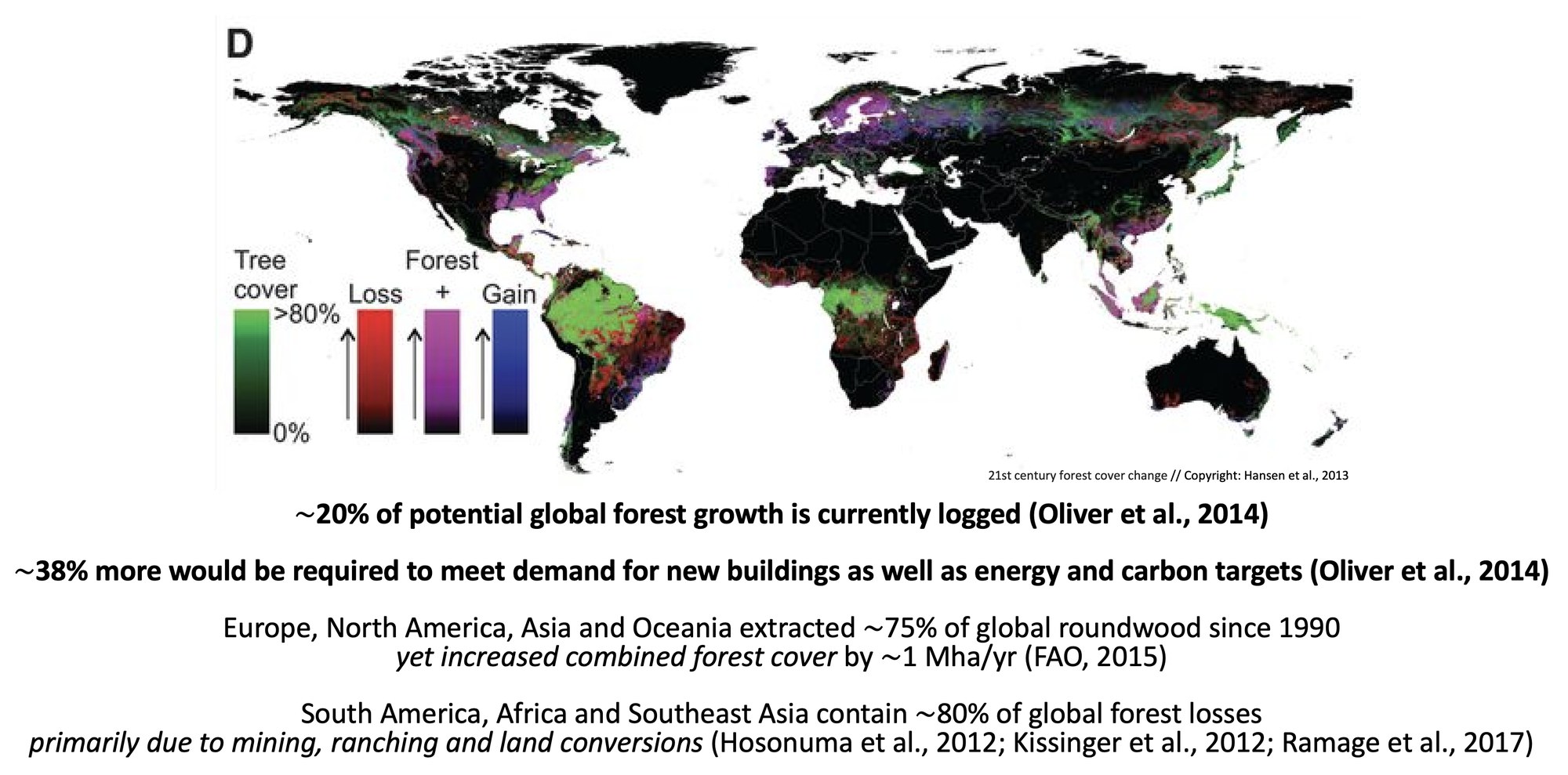
Data shows that areas with sustainable forest management plans in place to secure future building timber yields effectively demonstrate stable of increased forest cover over time (Ch. 8)
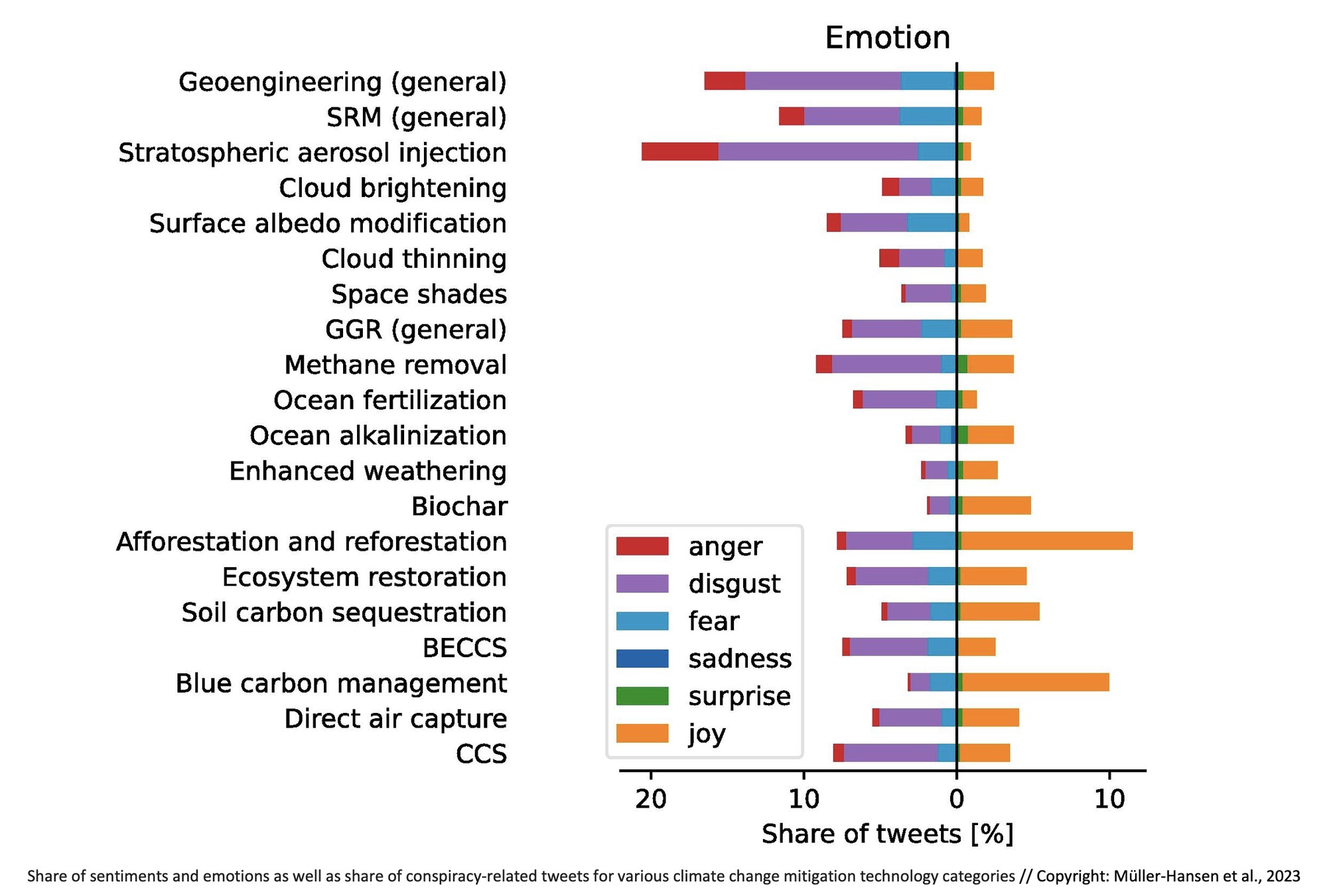
Recent research indicates that of all climate-change solutions, afforestation and reforestation incite the greatest sense of joy (Ch. 8)
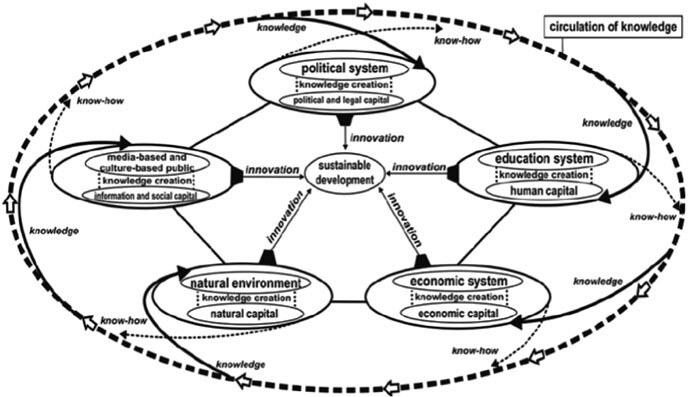
Enabling biocity development requires fluid collaboration between the political, educational, cultural, economic and natural sectors in a "quintuple helix" model (Ch. 11).
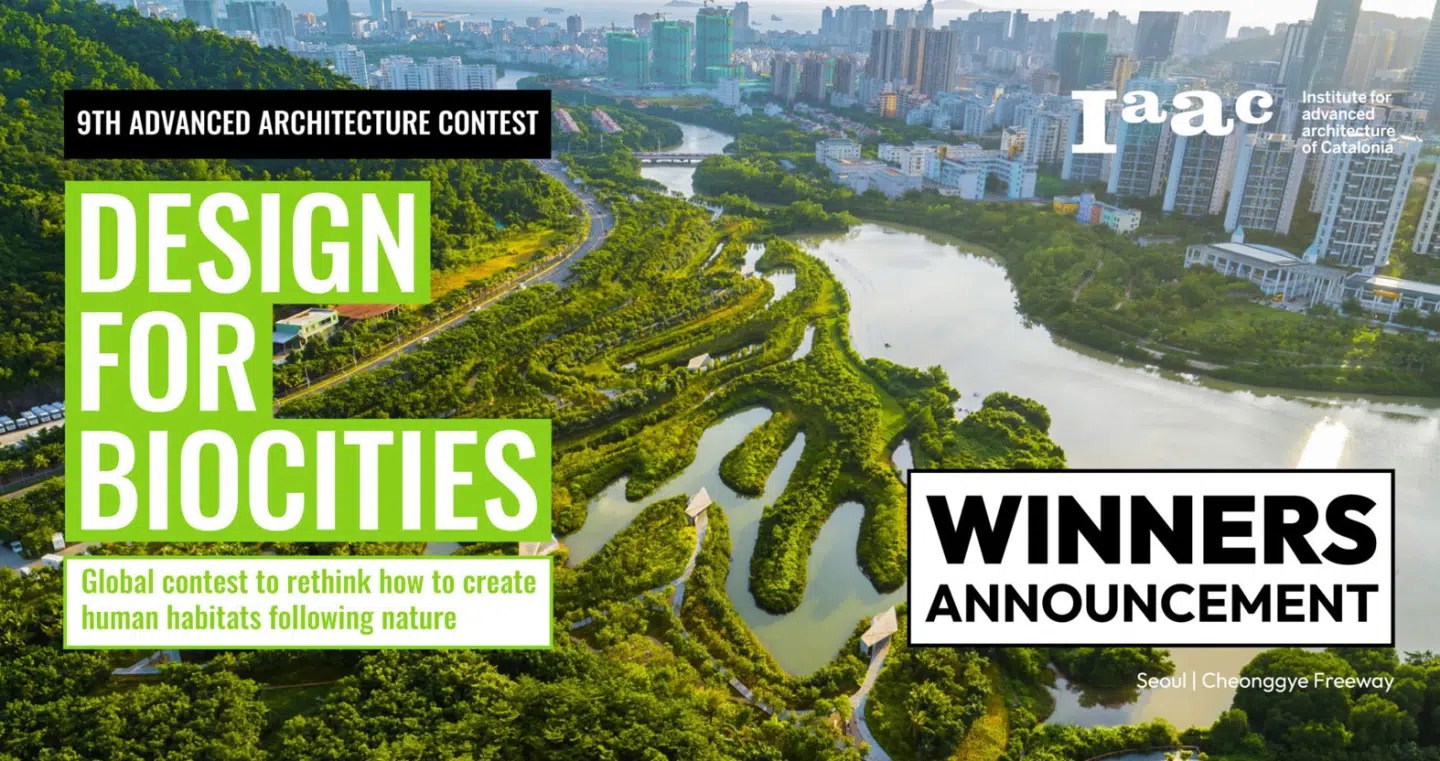
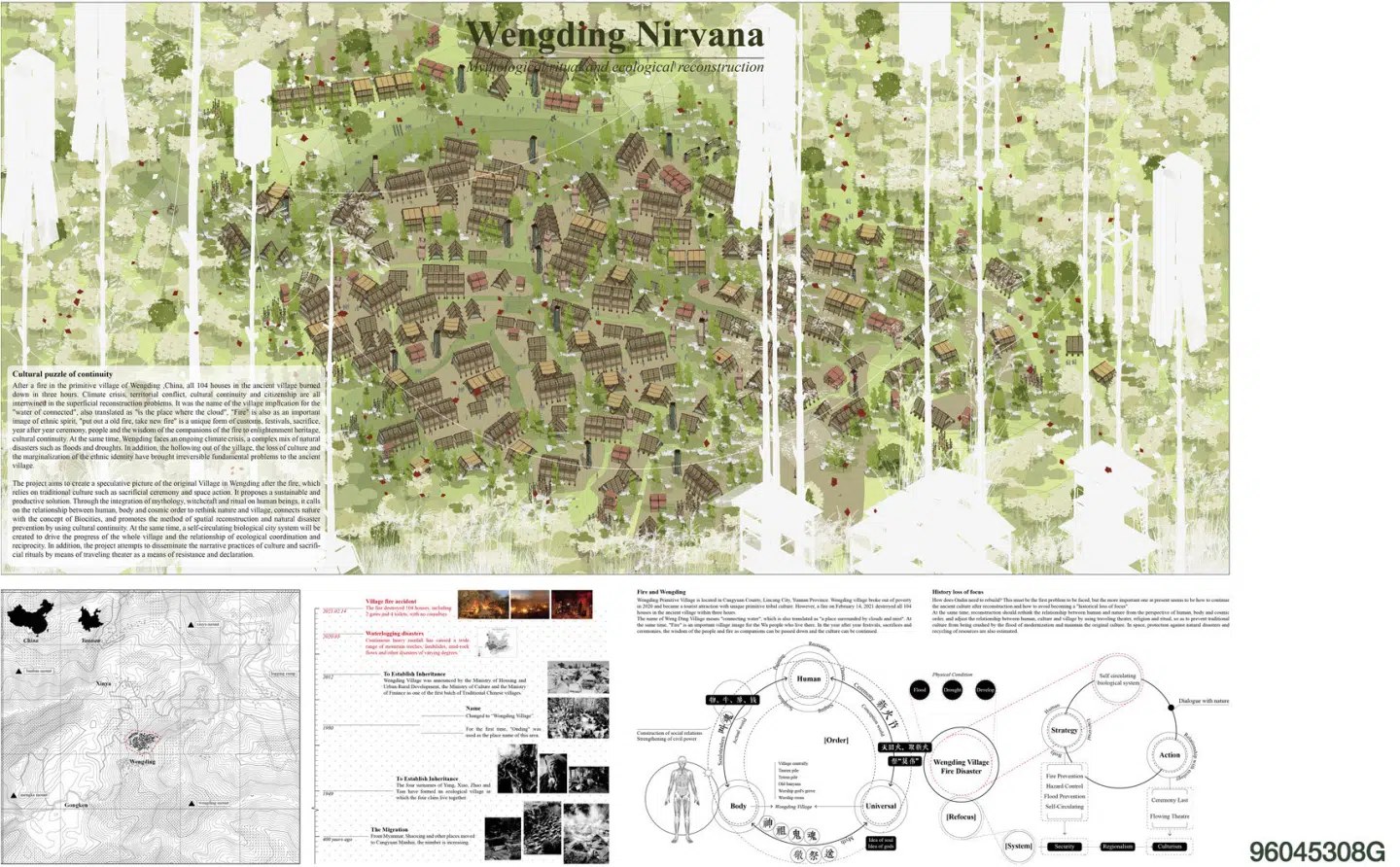
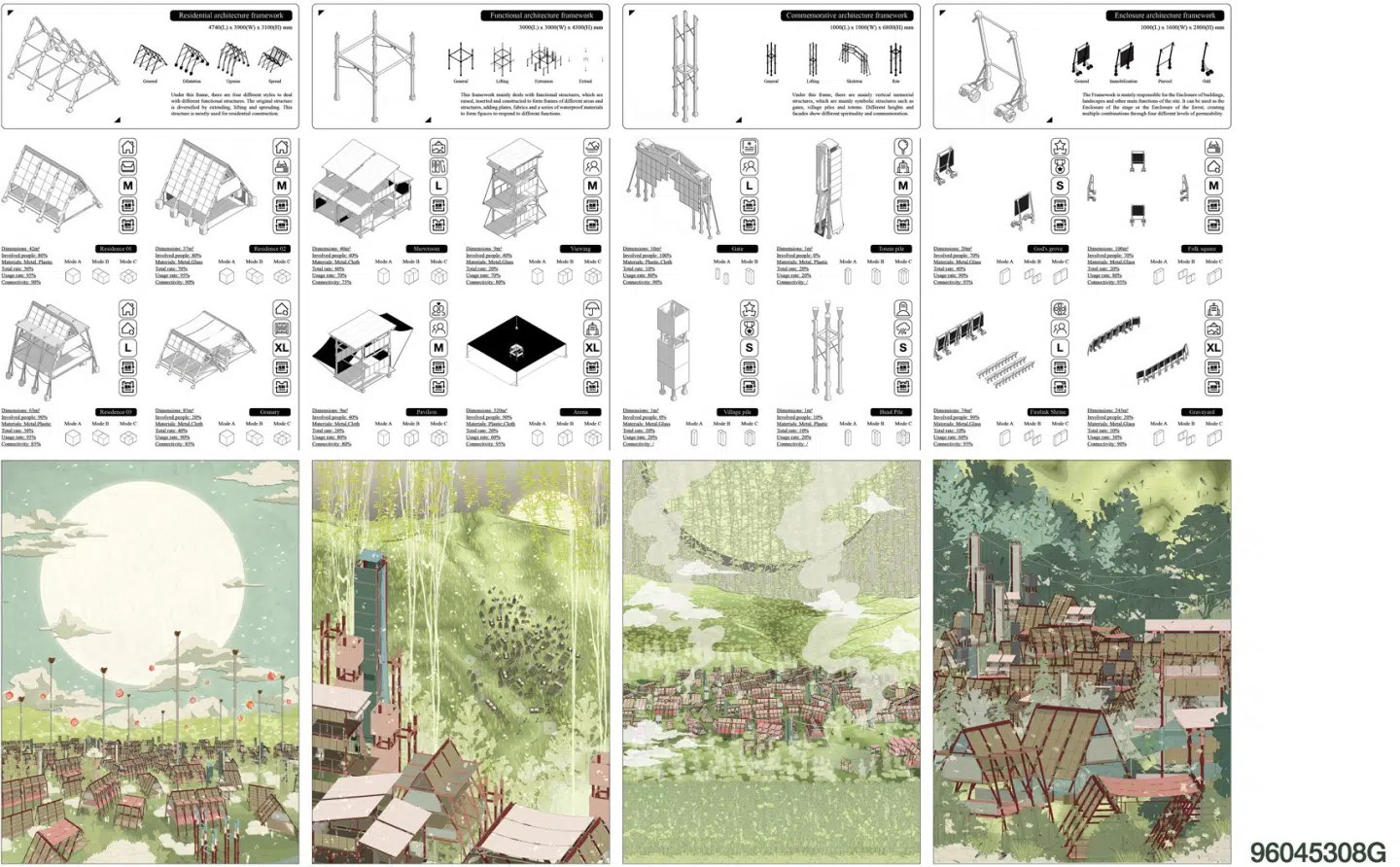
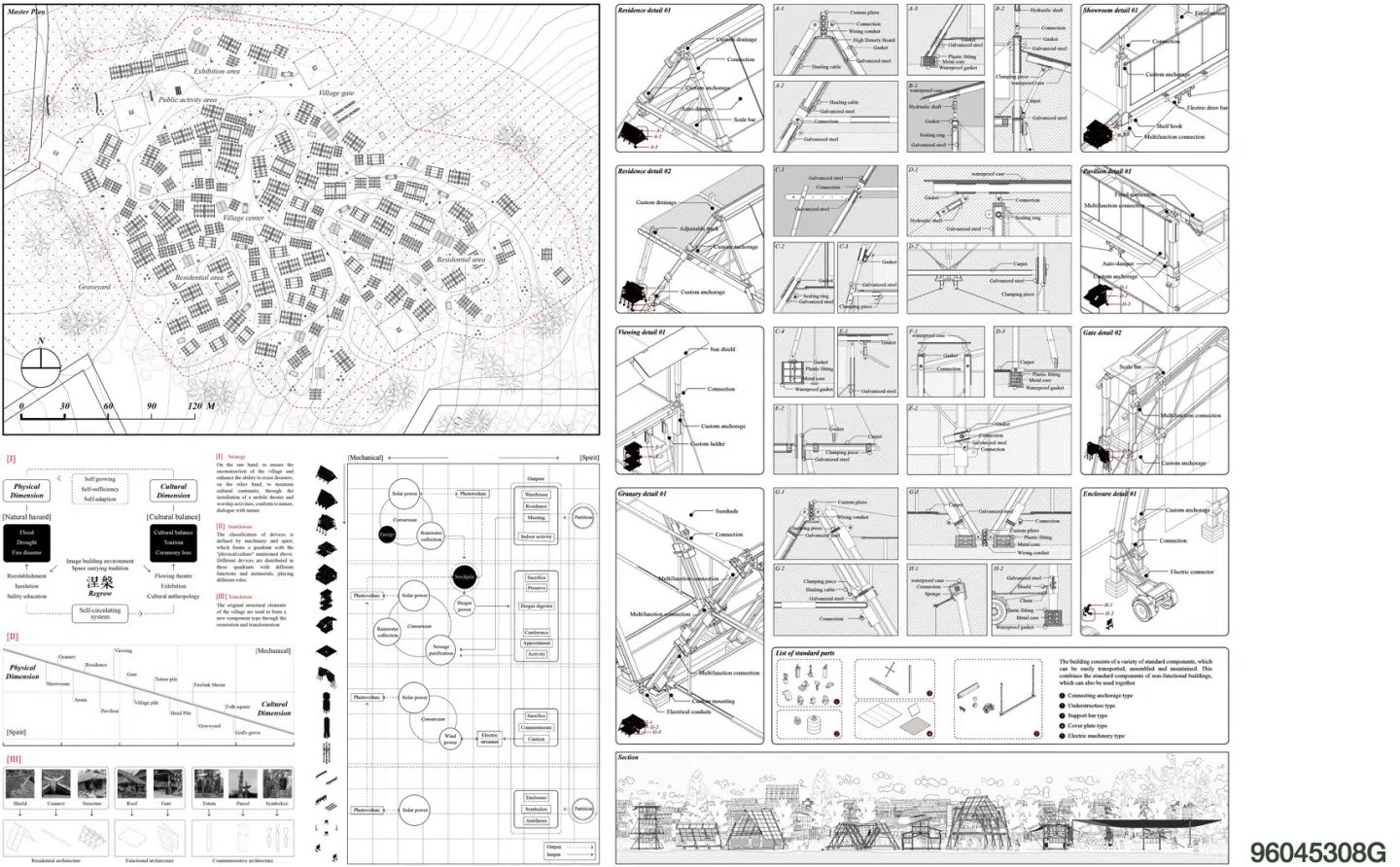
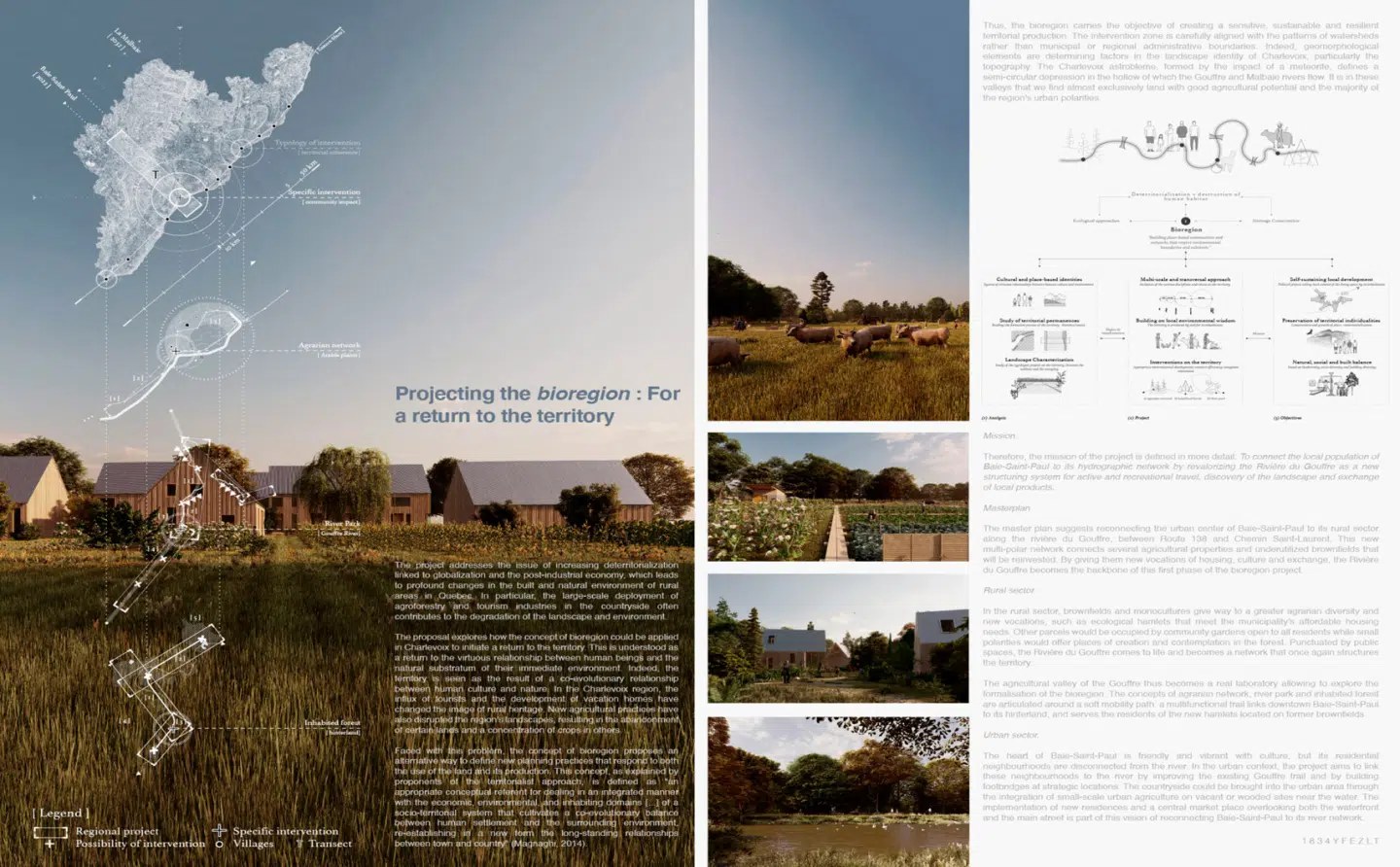
Expanding upon the Transforming Biocities book, IAAC hosted the Design for Biocities open competition (2023)
Design for Biocities competition winner 1 - Wengding Nirvana - Mythological Ritual and Ecological Reconstruction
Design for Biocities competition winner 2 - Projecting the Bioregion - For a Return to the Territory
Design for Biocities competition winner 3 - Projecting the Bioregion - Patchwork - Stopping Deforestation with Urbanization

By the numbers

Michael Salka's contributions to the volume.
Ch.TitlePages
1Towards the Development of a Conceptual Framework of BioCities1–25
8Innovative Design, Materials, and Construction Models for BioCities183–215
11The Enabling Environment for BioCities265–282
Future City, vol. 20
Series
Springer Nature, 2023
Publisher
3 of 12
Chapters authored

Credits

Collaborating individuals & organizations
Chapter 1Vicente Guallart, Michael Salka, Daniel Ibañez, Fabio Salbitano, Silvano Fares, Arne Sæbø et al. — 'Towards the Development of a Conceptual Framework of BioCities'
Chapter 8Daniel Ibañez, Michael Salka, Vicente Guallart, Stefano Boeri, Livia Shamir, Maria Lucrezia De Marco et al. — 'Innovative Design, Materials, and Construction Models for BioCities'
Chapter 11Michael Salka, Vicente Guallart, Daniel Ibañez, Divina Gracia P. Rodriguez, Nicolas Picard, Jerylee Wilkes-Allemann et al. — 'The Enabling Environment for BioCities'
EditorsGiuseppe E. Scarascia-Mugnozza
Vicente Guallart
Fabio Salbitano
Giovanna Ottaviani Aalmo
Stefano Boeri
PublisherSpringer Nature — Future City series, vol. 20
Originating bodyEuropean Forest Institute — Biocities Facility

Springer — book → · Chapter 1 → · Chapter 8 → · Chapter 11 → · IAAC — Design for Biocities contest winners →
Start a conversation
PreviousFURNISH — The BookNextValldaura Labs
Building the timber age m.salka@timberage.com