07 · Living Labs
Valldaura Labs
A Self-Sufficient Living LaboratoryInstitute for Advanced Architecture of CataloniaPhotography: José Hevia, Adrià Goula, IAAC
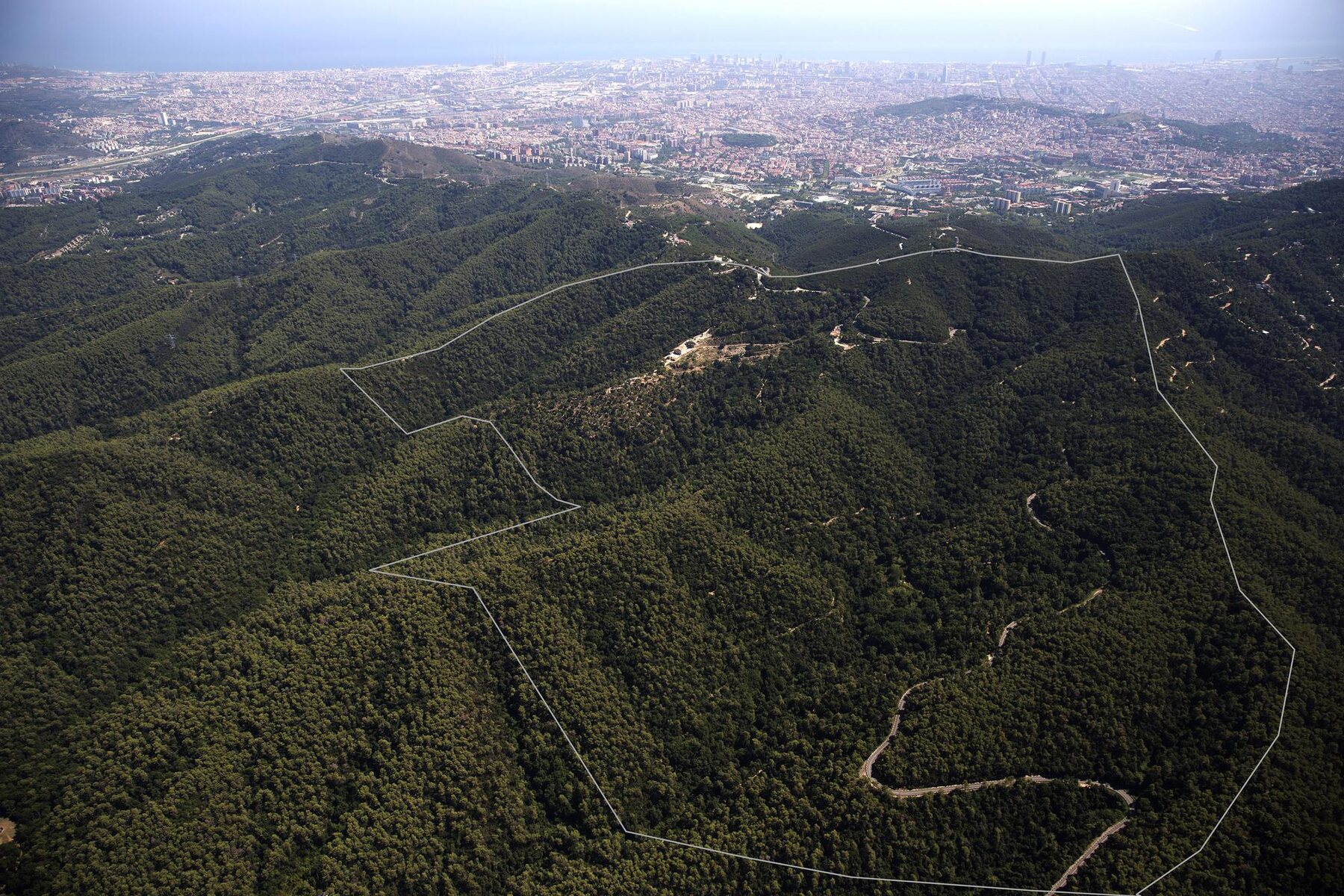
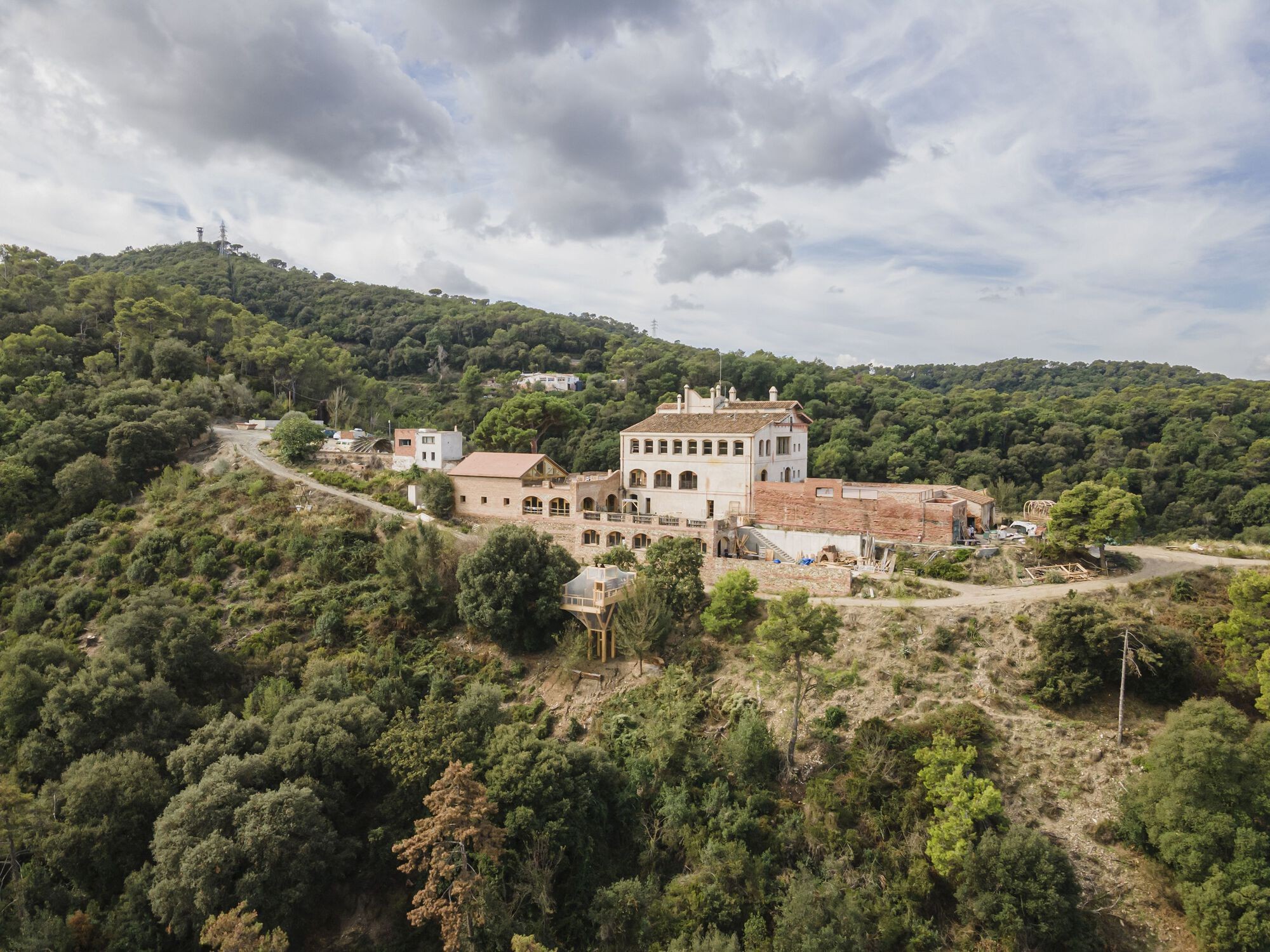
A 135-hectare forest ten kilometers from the center of Barcelona, run as a place where people live inside the experiment they are conducting.
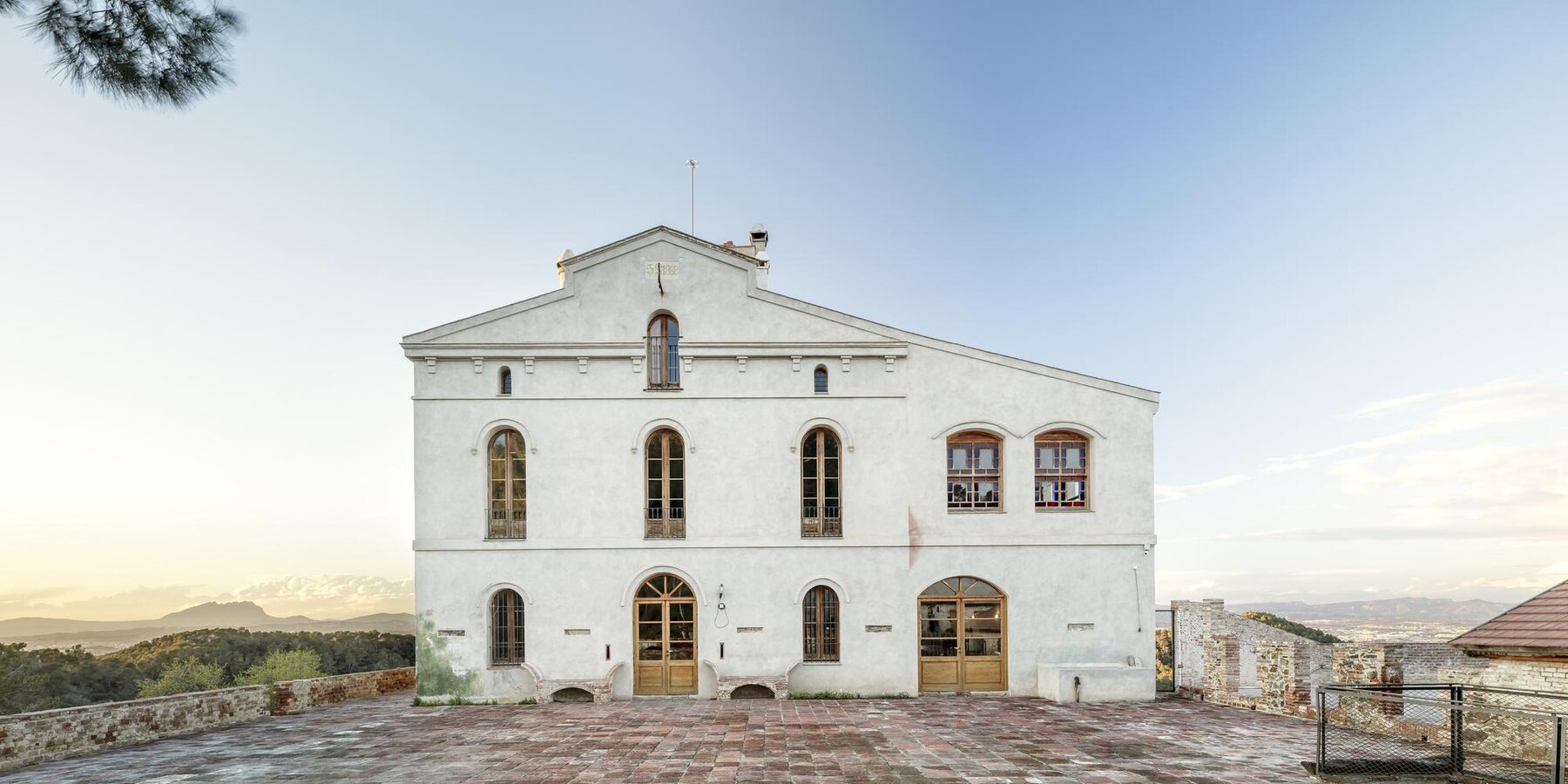
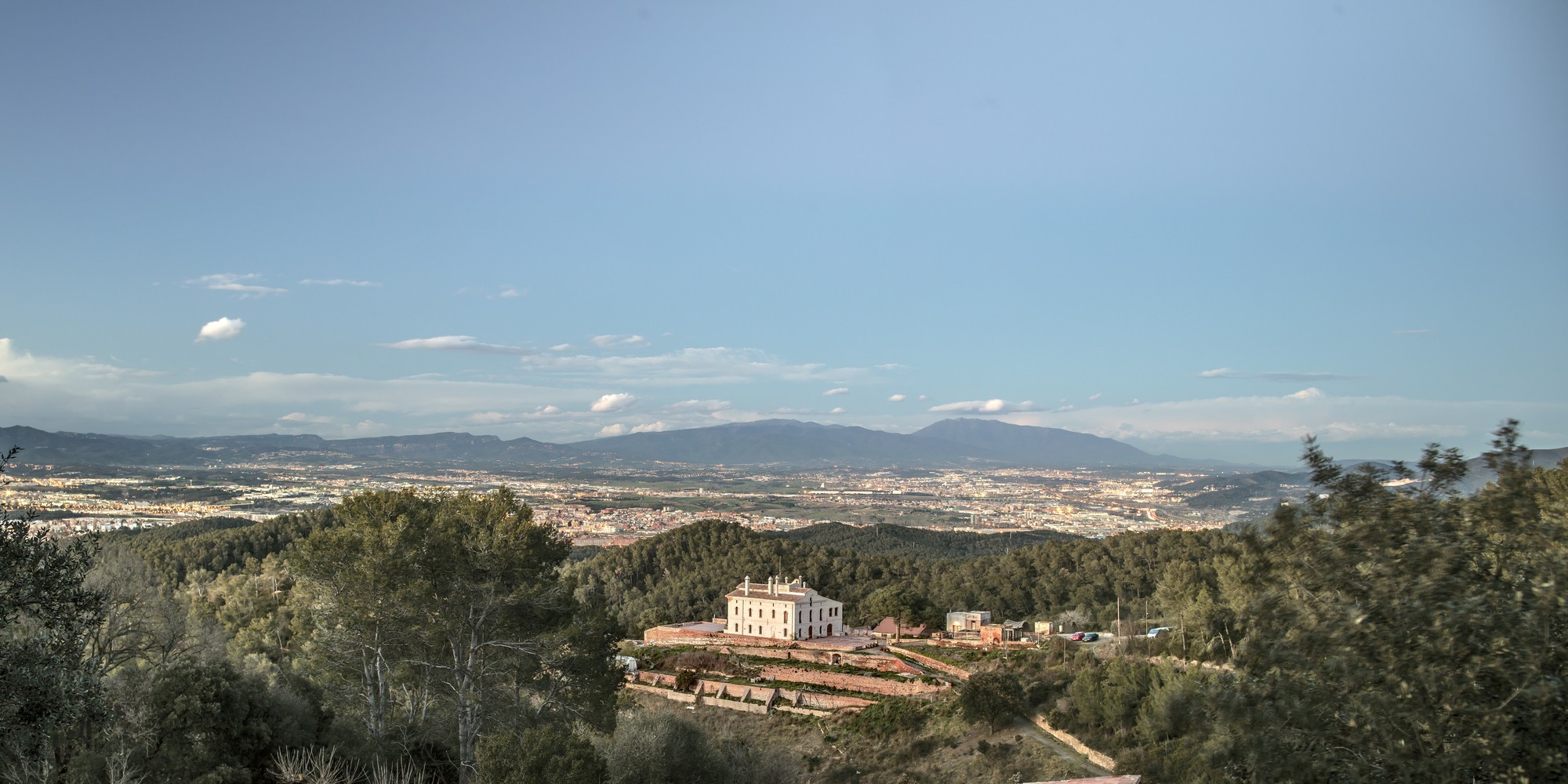
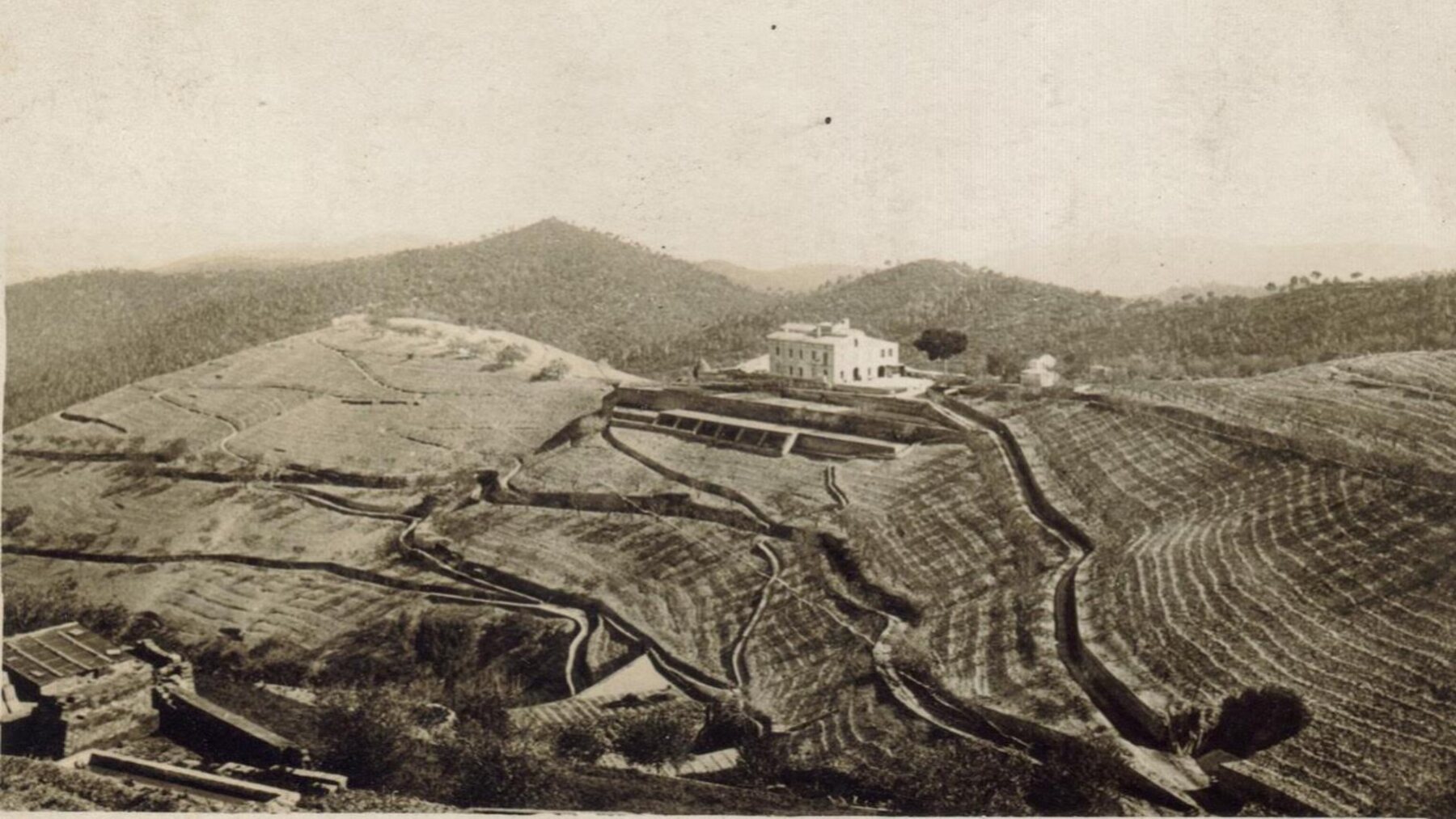
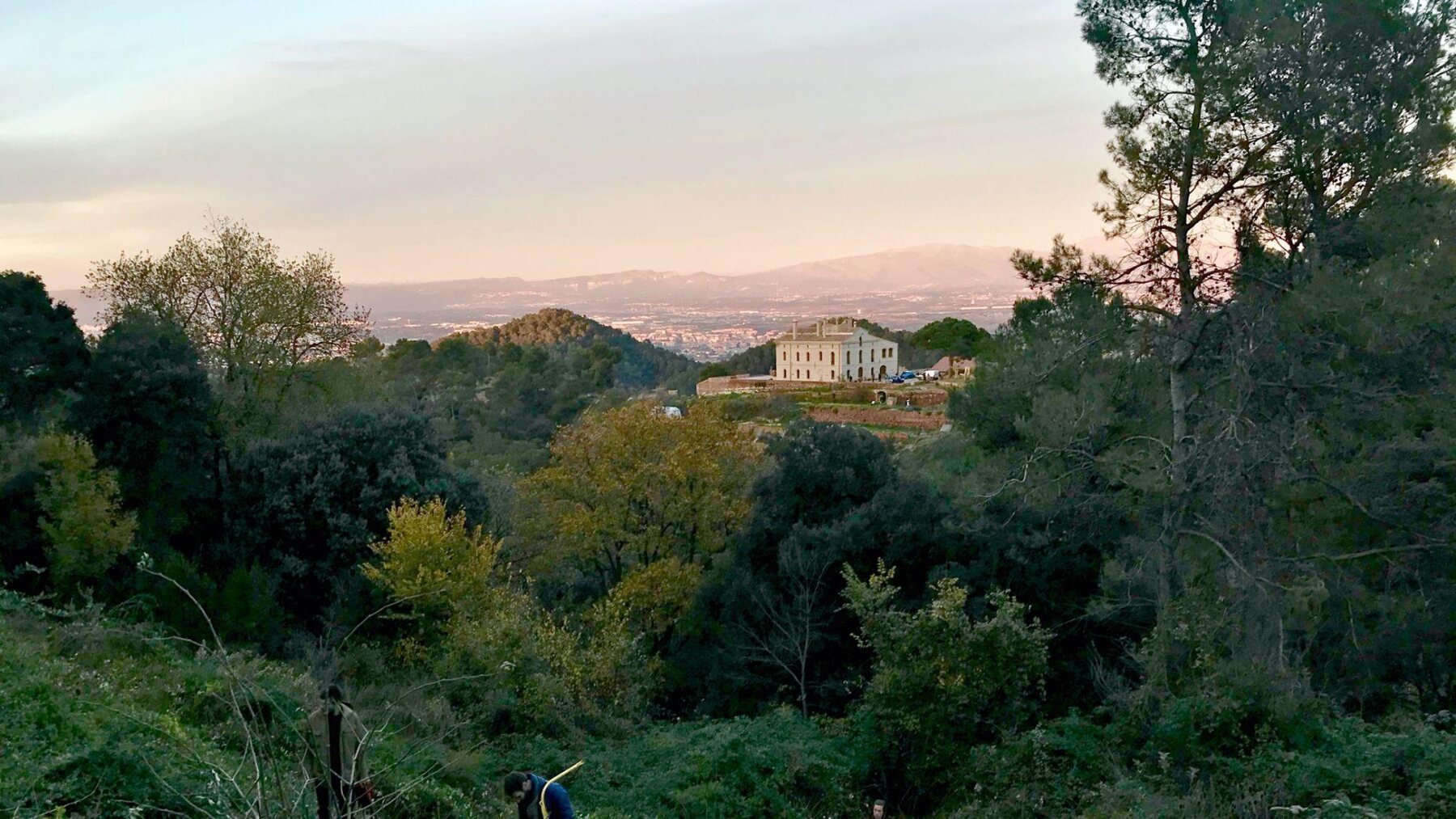
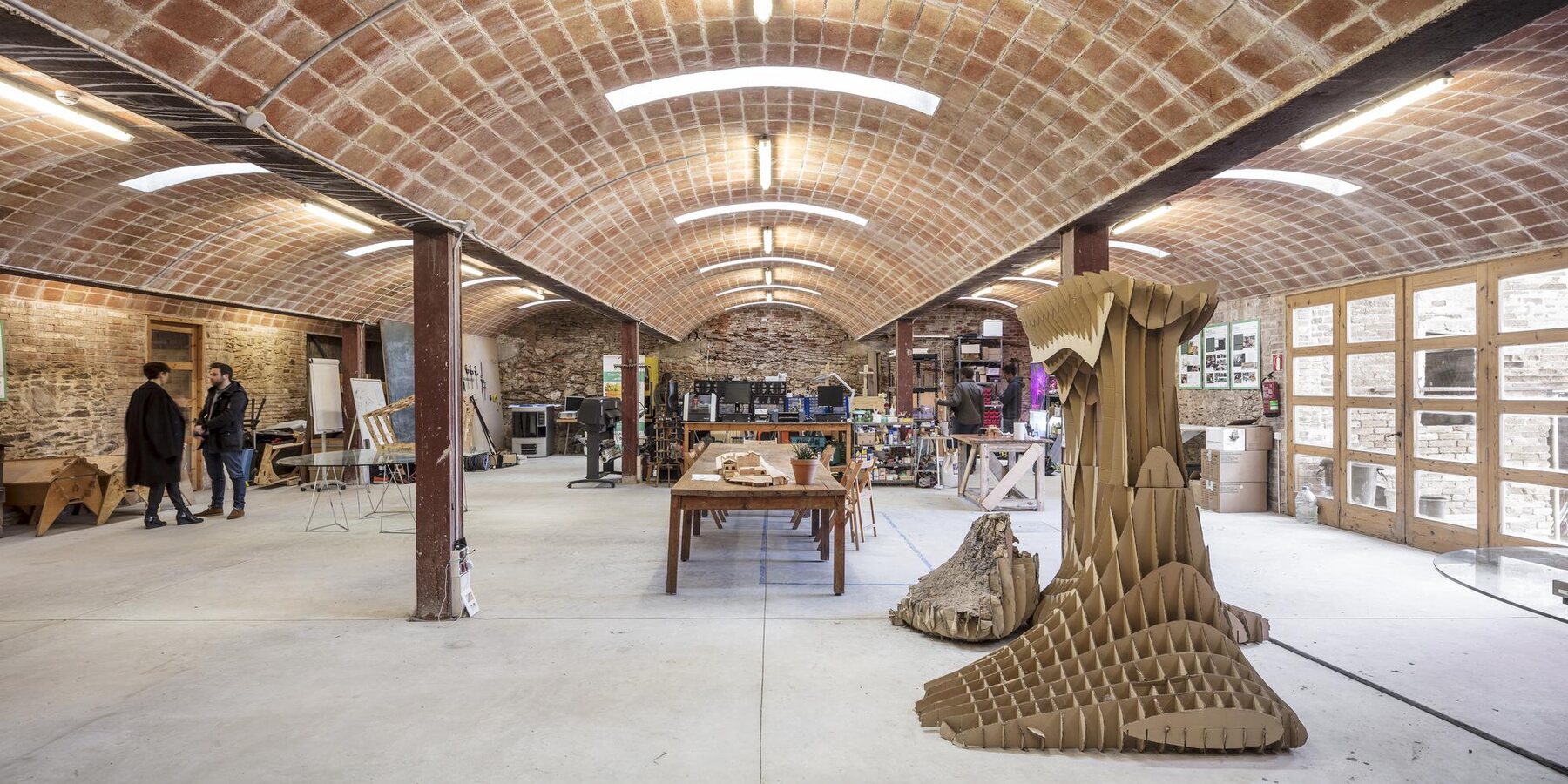
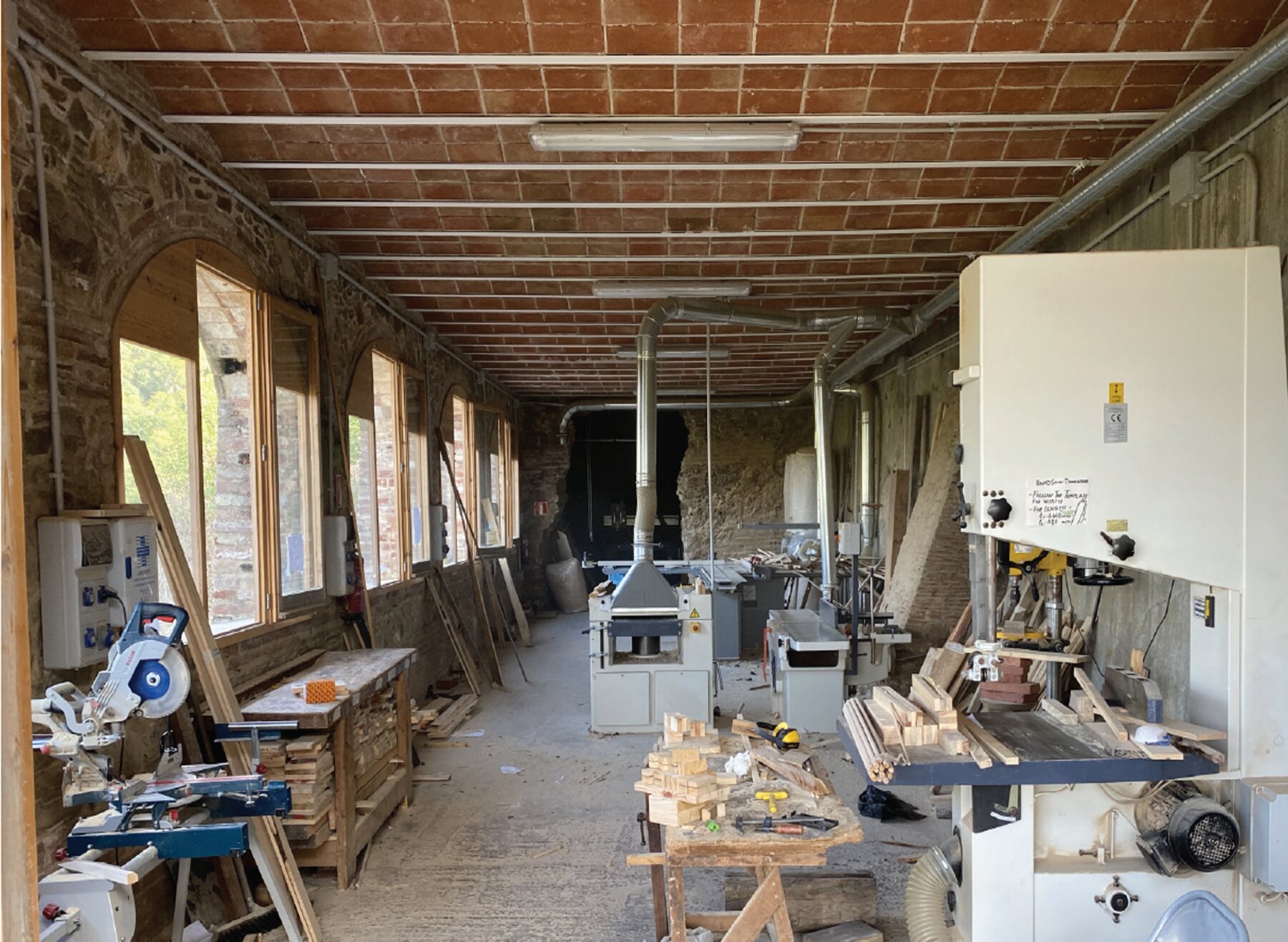
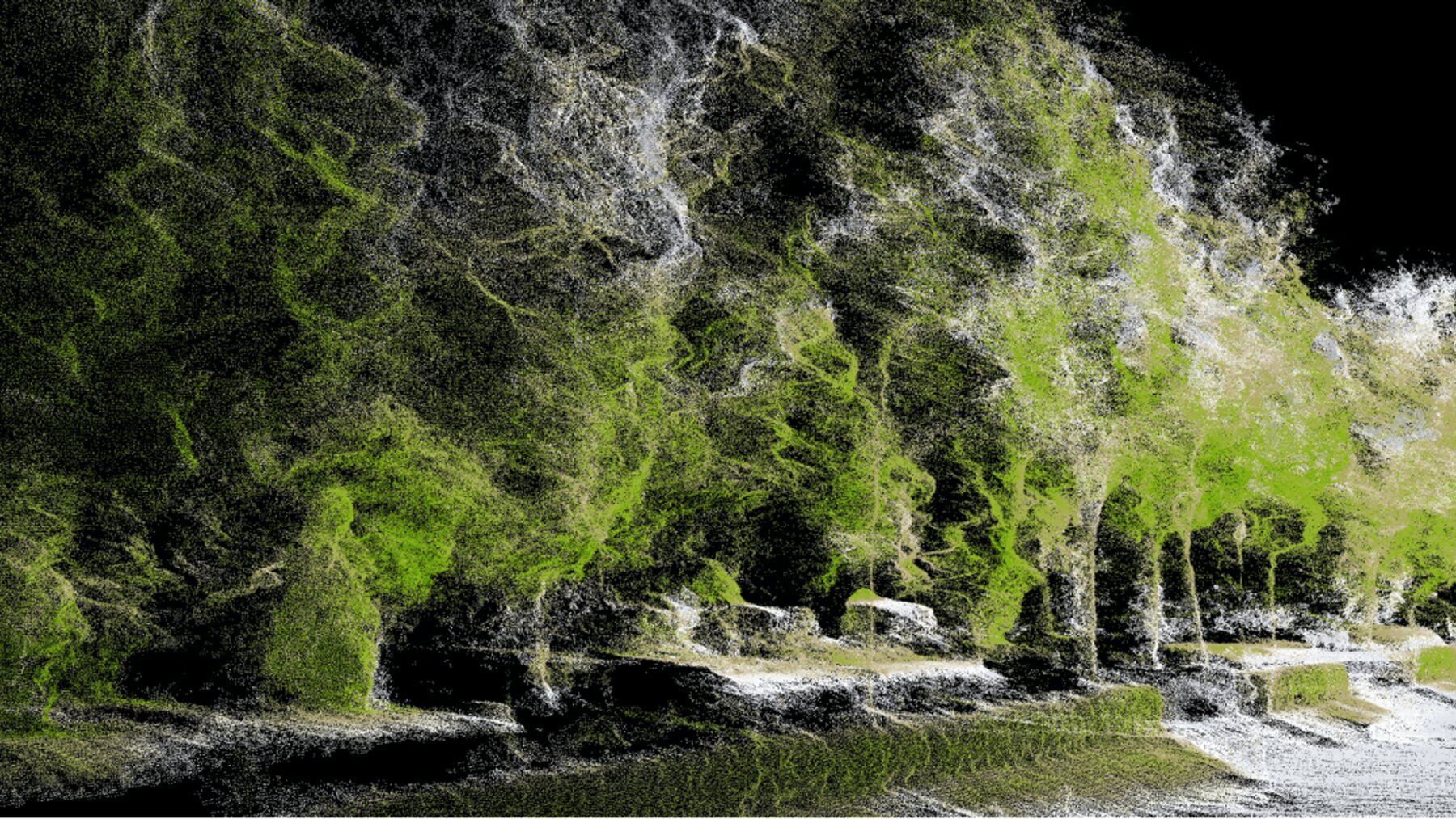
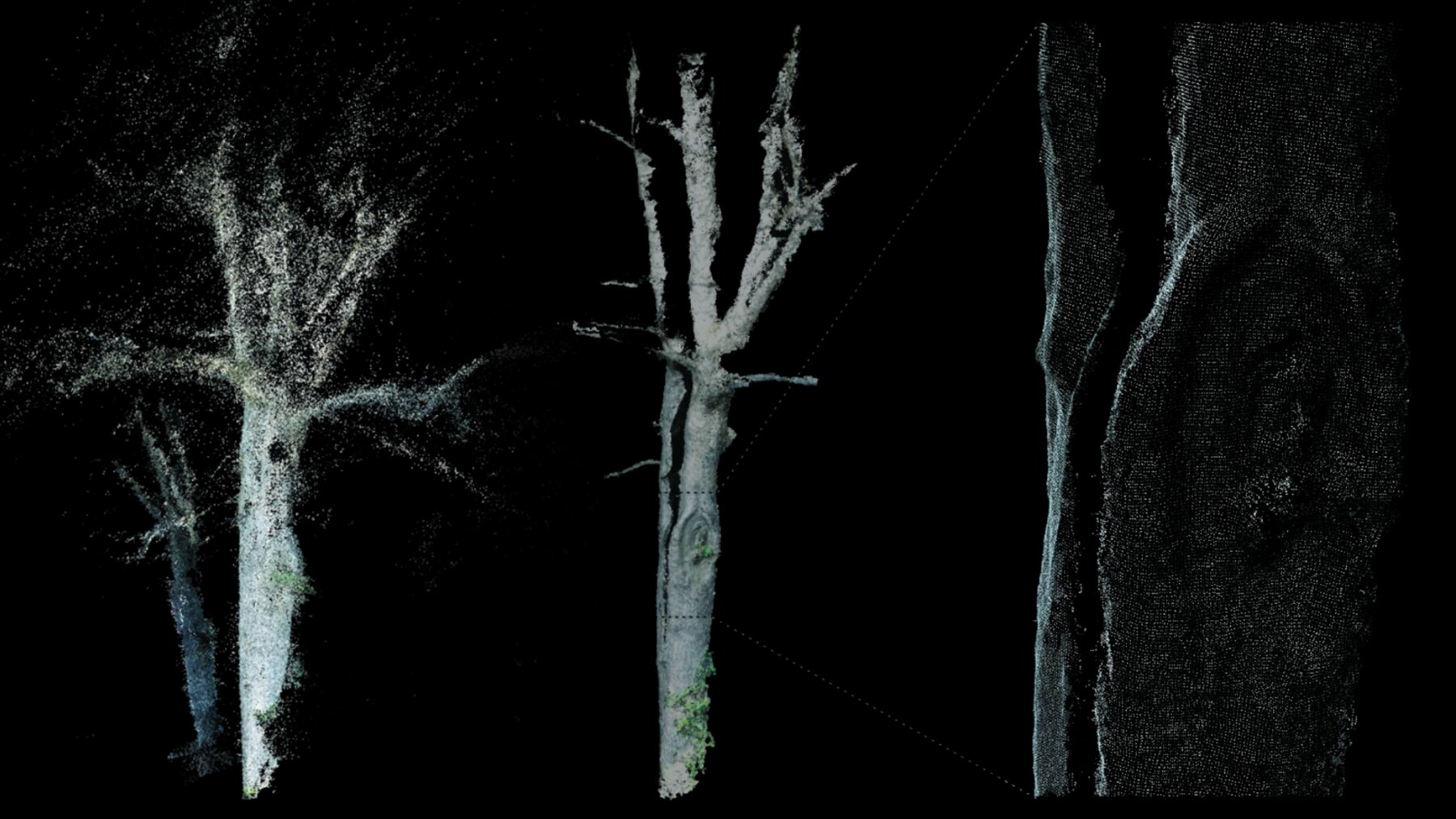
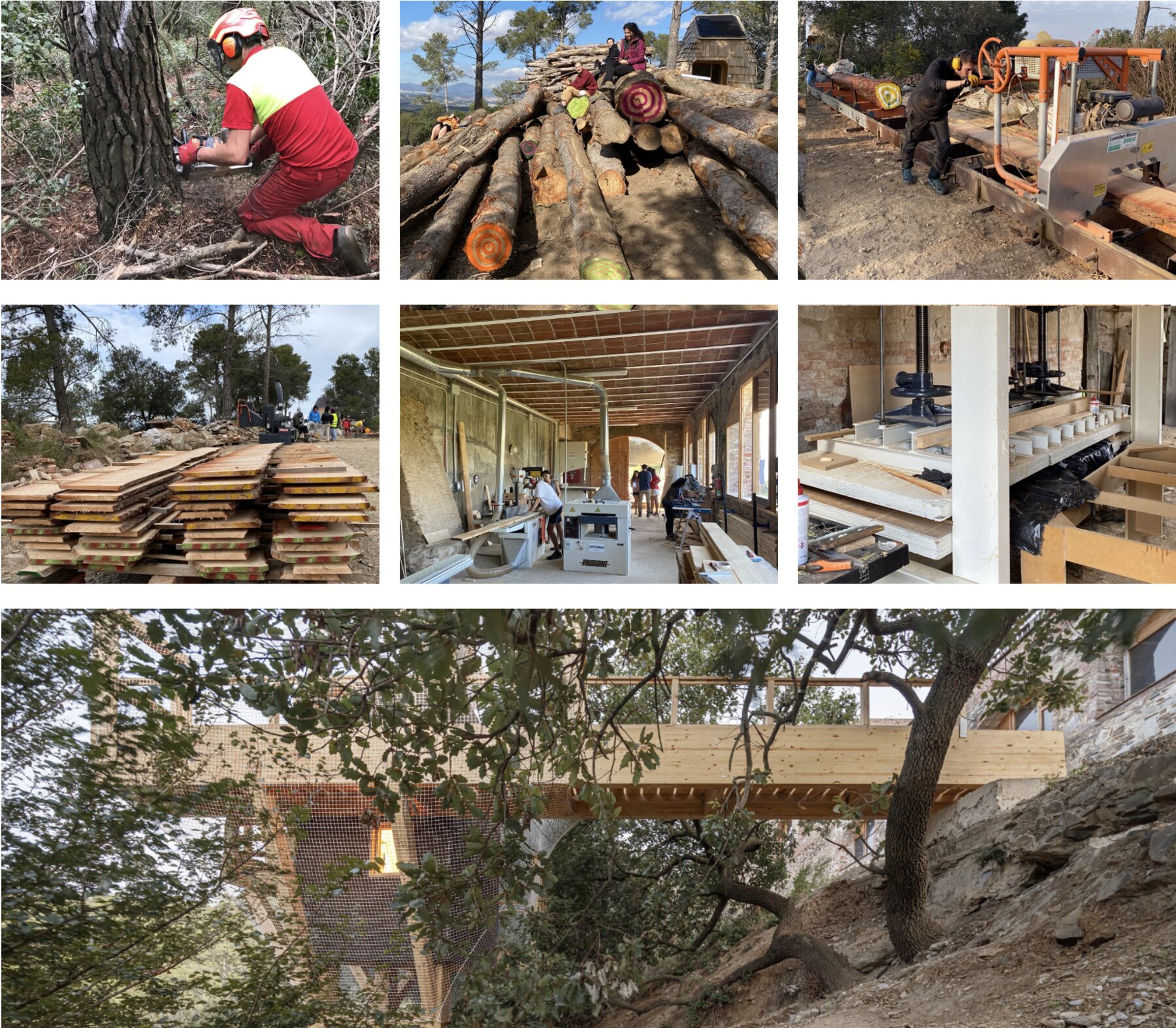
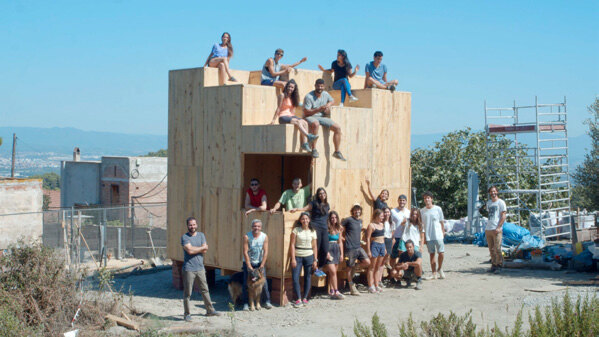
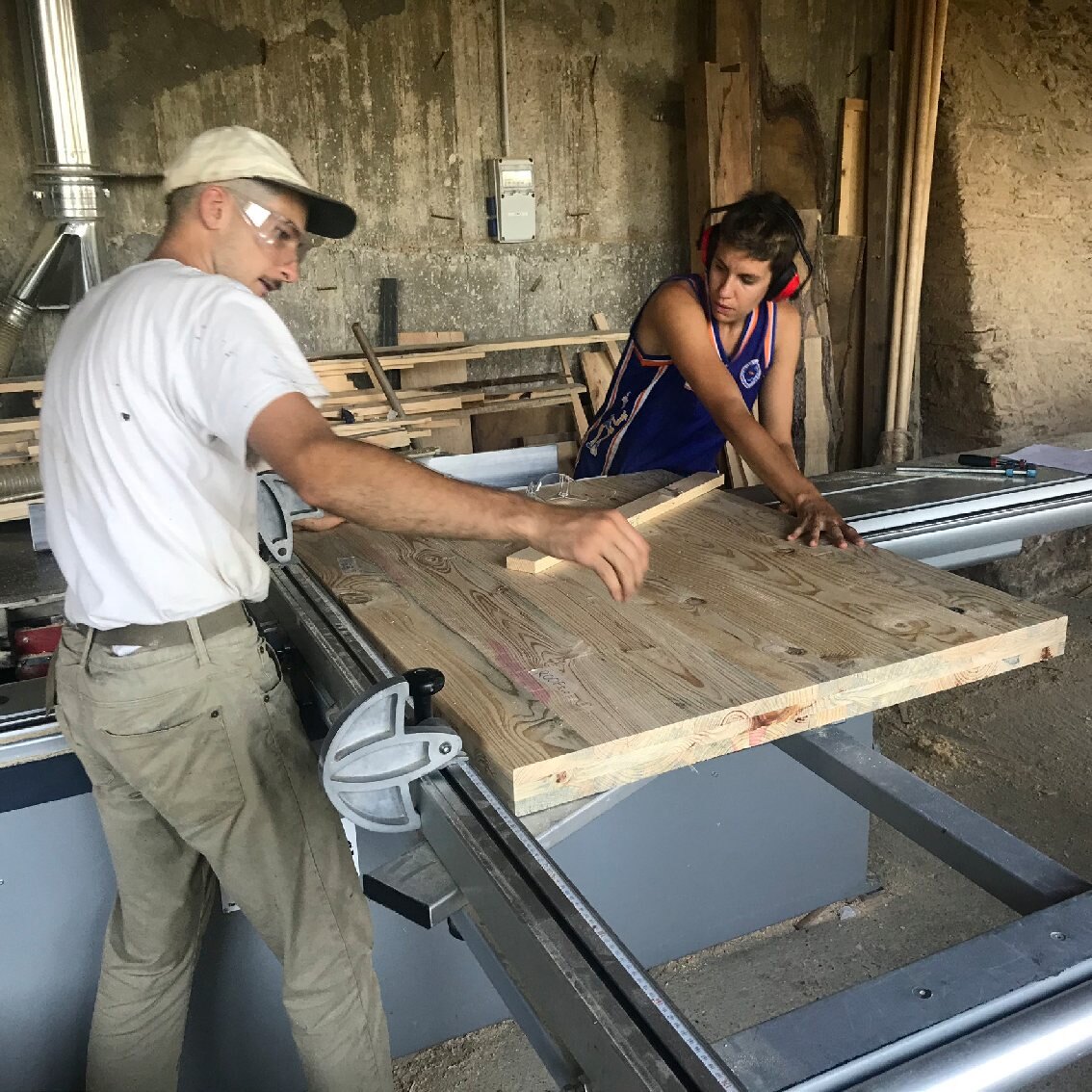
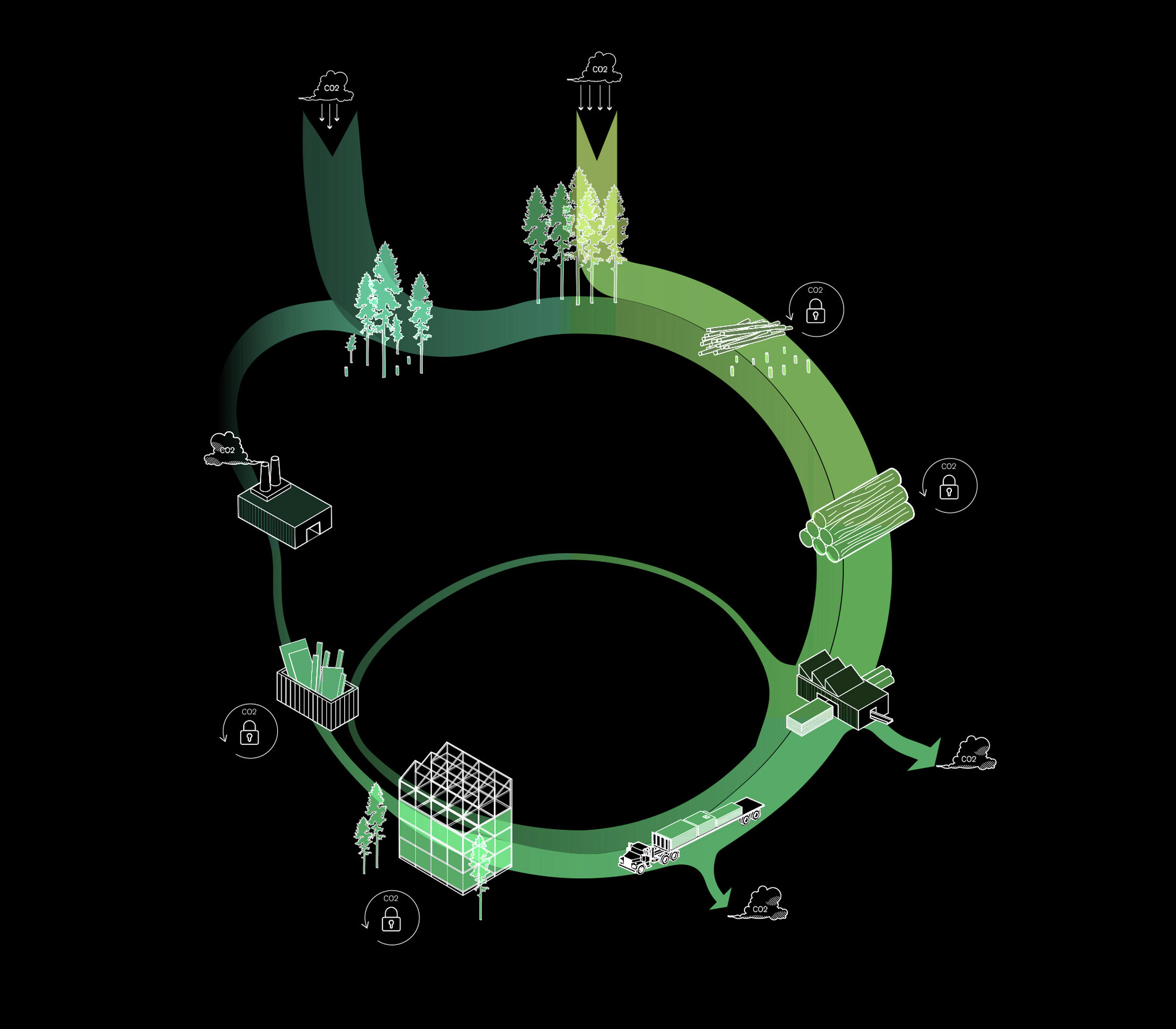
Valldaura Labs occupies a 135-hectare estate inside the roughly 8,000-hectare Collserola Natural Park, ten kilometers from Barcelona's urban core. Monks from La Grande Forêt, Toulouse settled here in 1150; James II held it as a royal hunting ground from 1297; the current masia was rebuilt in 1888 by the miller Francesc Guardiola, with a kiln for the estate's own bricks. IAAC opened the site's first Digital Fab Lab in 2007, began working the estate the following year and purchased it outright in 2010, commissioning Guallart Architects to rehabilitate it under a simple rule: bury the new spaces under and around the farmhouse rather than beside it, so the landscape reads as undisturbed even as the laboratory grows beneath it. The Green Fab Lab and Carpentry Workshop — reusing the estate's own recovered brick and timber — were complete by 2018. What runs on the estate now is a method IAAC calls learning by living: each cohort of the Master in Ecological Architecture & Advanced Construction lives on site while selecting and felling 40 to 60 trees a year — in consultation with the ecologist Gerard Passola, known locally as 'Doctor Árbol,' and Collserola Natural Park's own forest scientists — then milling and pressing them into cross-laminated and glue-laminated panels in the Green Fab Lab before building full-scale prototypes to real deadlines. Even a stand that looks mature here is typically only about 70 years old, regrown since the terraced farmland of the mid-20th century was abandoned, so every harvest is planned as ecological succession rather than extraction. That loop has produced Niu Haus (2019), the Voxel (2020), the Solar Greenhouse (2021), FLORA (2022), Mo.Ca (2023), CORA (2024) and Forestone (2025) — five award-winning buildings and eighteen further public-space installations — alongside research on material traceability, embodied-carbon tracking and engineered products from atypical local species such as Aleppo pine. As of 2026 the program has graduated 150 students from 44 countries across eight cohorts, and the wider lab has secured roughly €7 million across 19 grant-funded research programs, including Horizon Europe, the EU LIFE Programme, EIT and Spain's Ministry for the Ecological Challenge and Demographic Transition. The estate's history is also an active excavation. Since 2018, the University of Barcelona's "Castles, Monasteries and Palaces" project — directed by Maria Soler, Walter Alegría and Marta Sancho, funded by the Generalitat de Catalunya's Department of Culture and IAAC under a partnership formalized in 2017 — has been digging the site of the original 12th-century monastery and its 13th-century royal successor, uncovering a 31-by-31-meter late-medieval perimeter wall and its adjoining terrace and farmhouse foundations. IAAC's own contribution runs alongside the university's fieldwork: drone scanning and photogrammetry survey the excavation as it opens, building toward a digital archive of 3D-modeled artifacts and structures — the same toolset the lab points at trees before felling them, turned instead on what previous inhabitants left behind. A version of that nine-century history, curated with IAAC founder Vicente Guallart, was exhibited at Barcelona's MUHBA Vil·la Joana in 2024–25. It's the same instinct that runs through the buildings: put time-honored ecological and craft knowledge in direct contact with the newest tools available, and let the two meet in the middle at solutions suited to exactly this moment — not to some abstract past or future.
Trailer for the documentary on Valldaura Labs' learning-by-living method.
| Era | What happened here |
|---|---|
| 1150 | Monks from La Grande Forêt, Toulouse, establish the first Cistercian settlement |
| 1297 | James II creates a hunting palace; Valldaura belongs to the Crown of Aragon until 1475 |
| 1888 | The masia is rebuilt by the miller Francesc Guardiola, with a kiln for the estate's bricks |
| 2007 | IAAC opens the estate's first Digital Fab Lab, the seed of the current laboratory |
| 2008–2010 | IAAC commences activities at Valldaura and purchases the estate outright in 2010 |
| 2010–2018 | Rehabilitation by Guallart Architects — new spaces buried under and around the farmhouse; Green Fab Lab and Carpentry Workshop complete in 2018 |
| 2019—Present | Continuous design-build research: Niu Haus, Voxel, Solar Greenhouse, FLORA, Mo.Ca, CORA, Forestone |
valldaura.net → · IAAC — Valldaura Labs → · ArchDaily — Rehabilitation by Guallart Architects → · IAAC — Valldaura's history at MUHBA Vil·la Joana → · UB — Second excavation campaign at the Royal Palace of Valldaura → · UB — Royal Palace of Valldaura excavation project →