06 · Papers, Reports & Books
Where the wood, bamboo and earth already are — and what it would take to build the region's housing out of them.
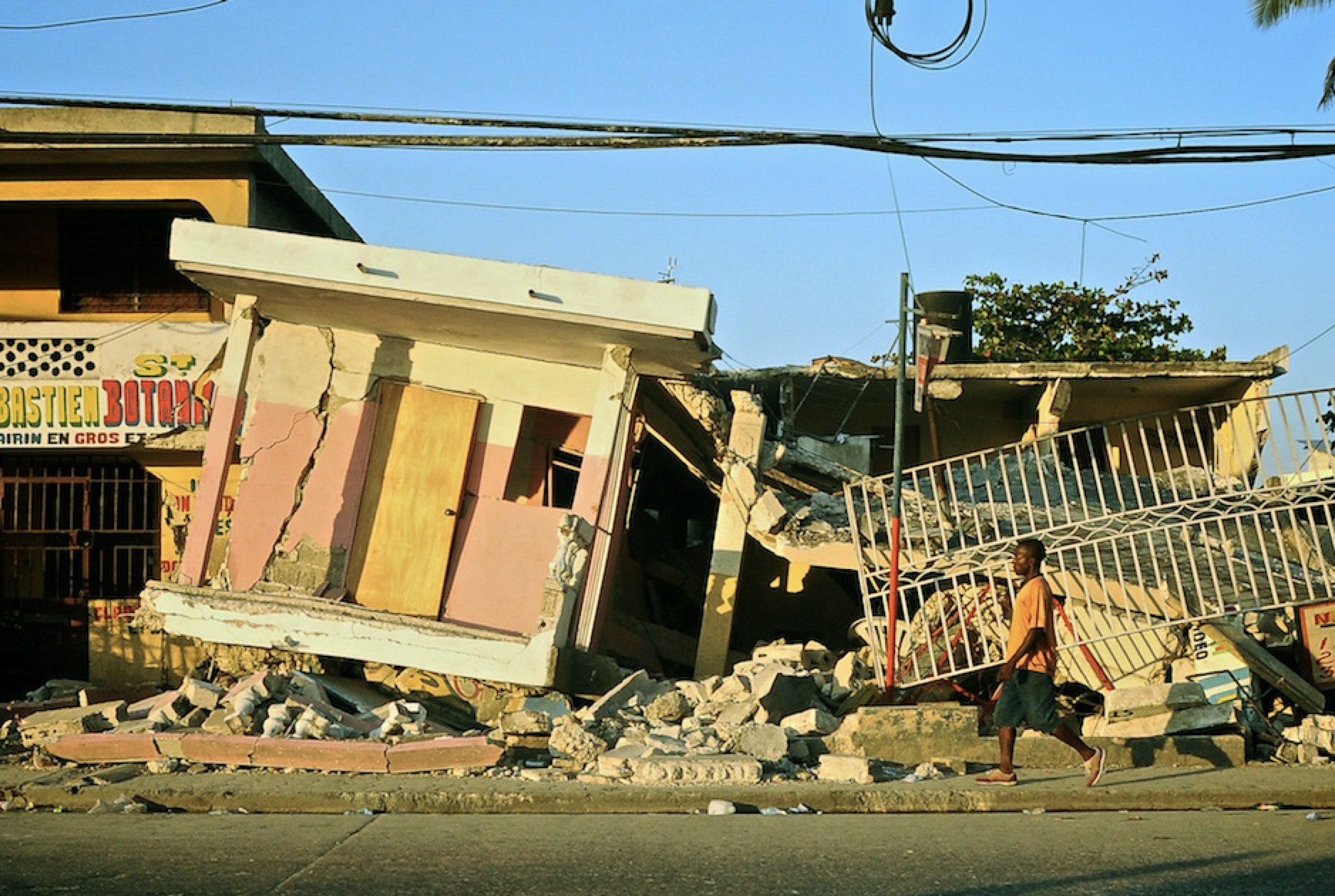
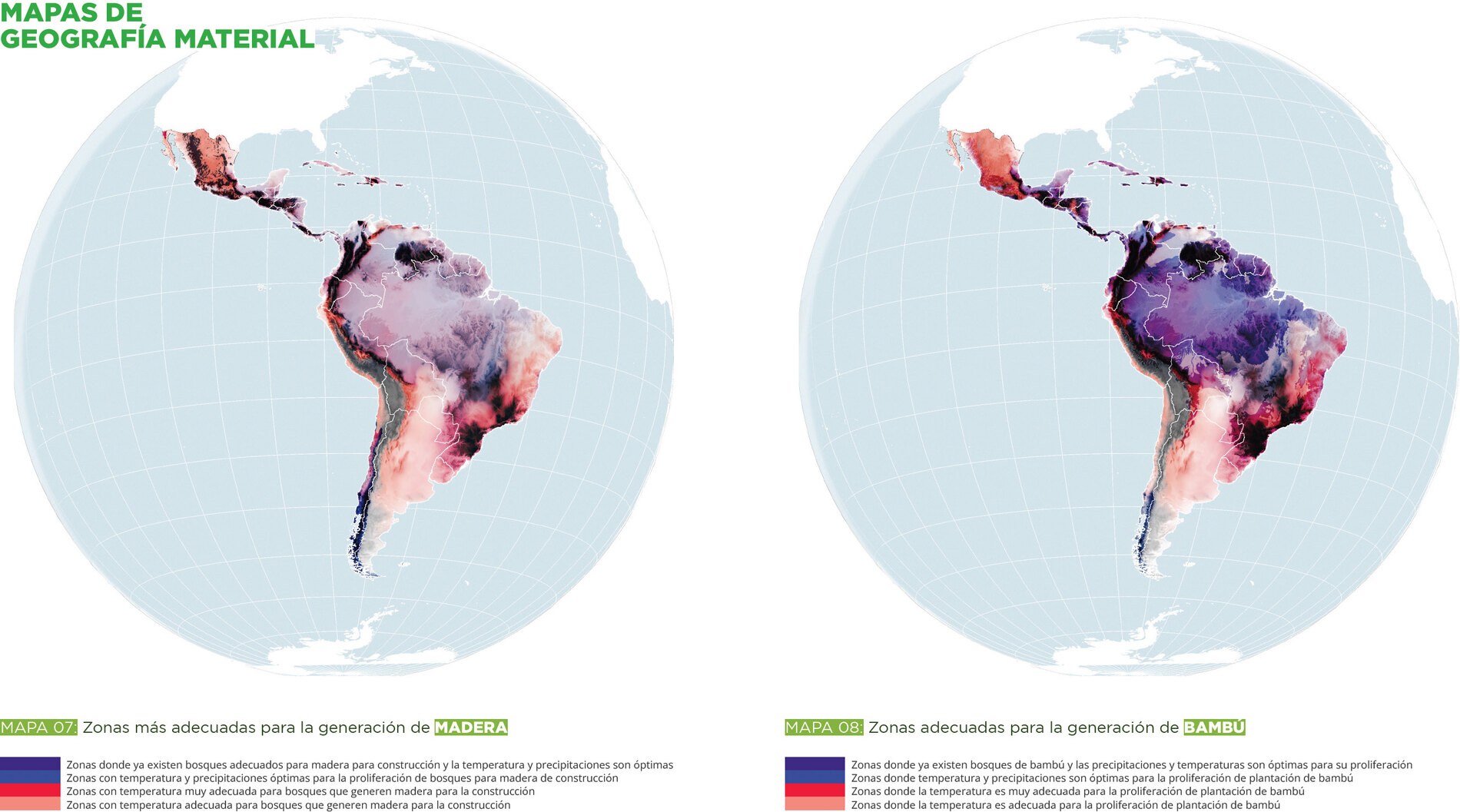
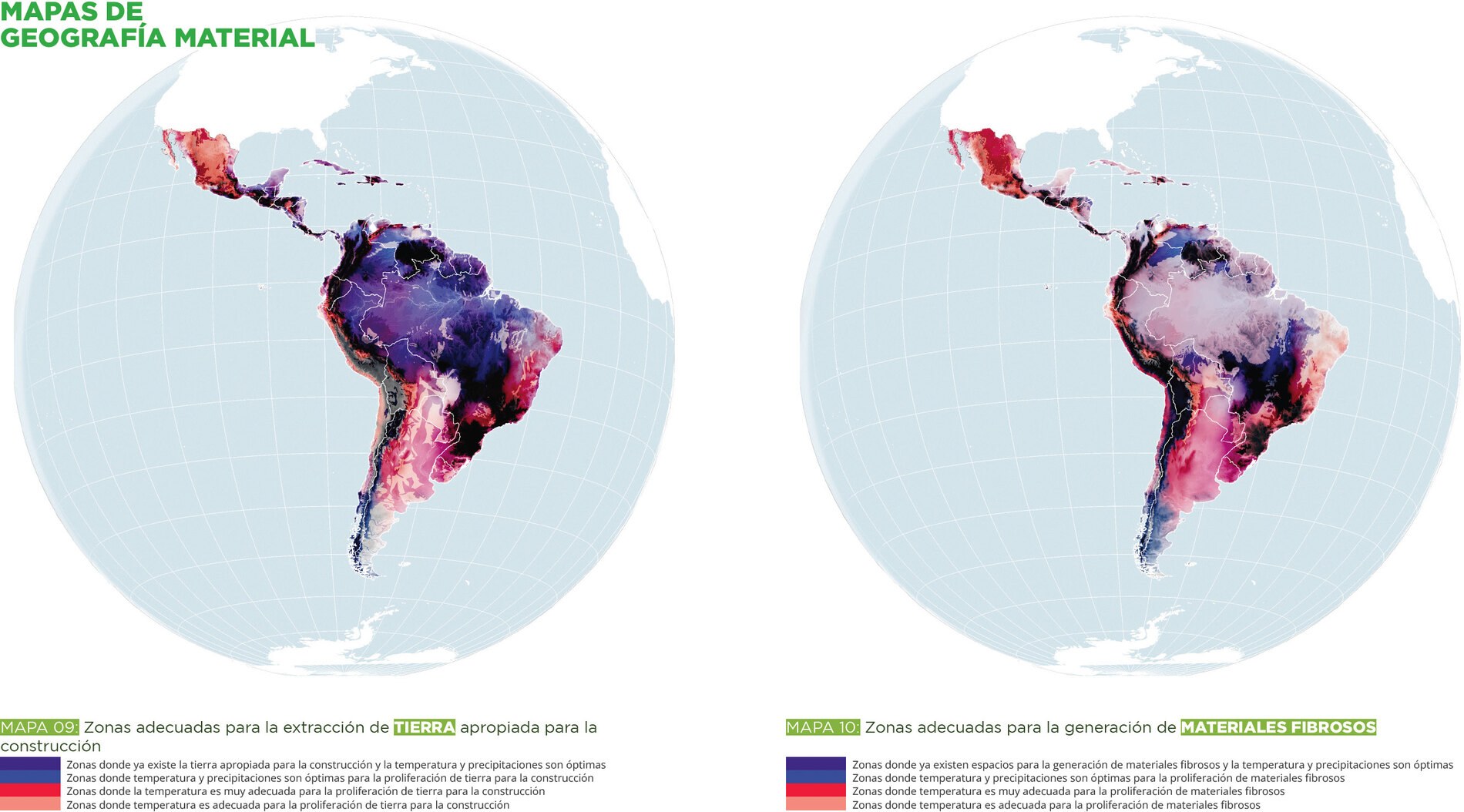
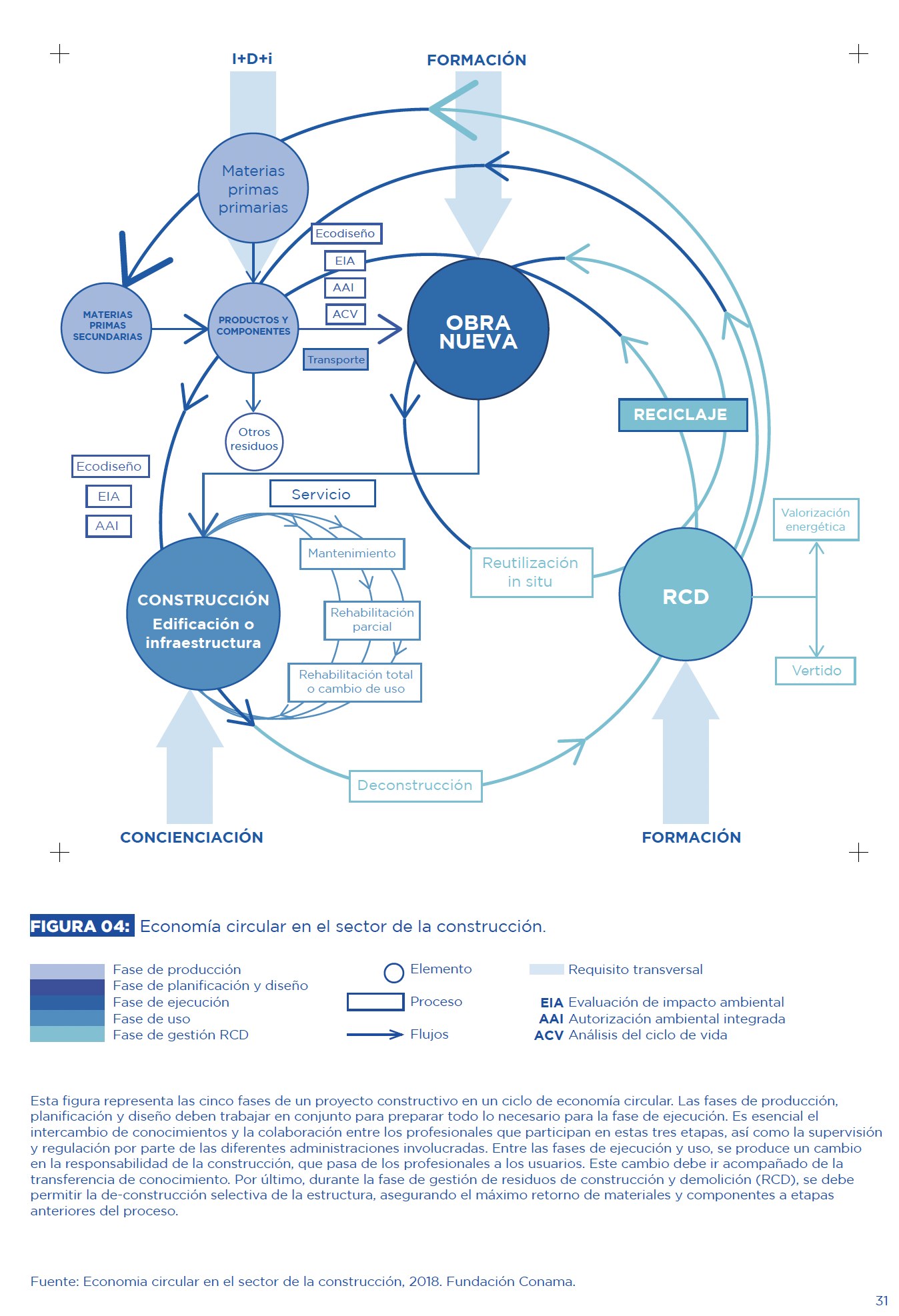
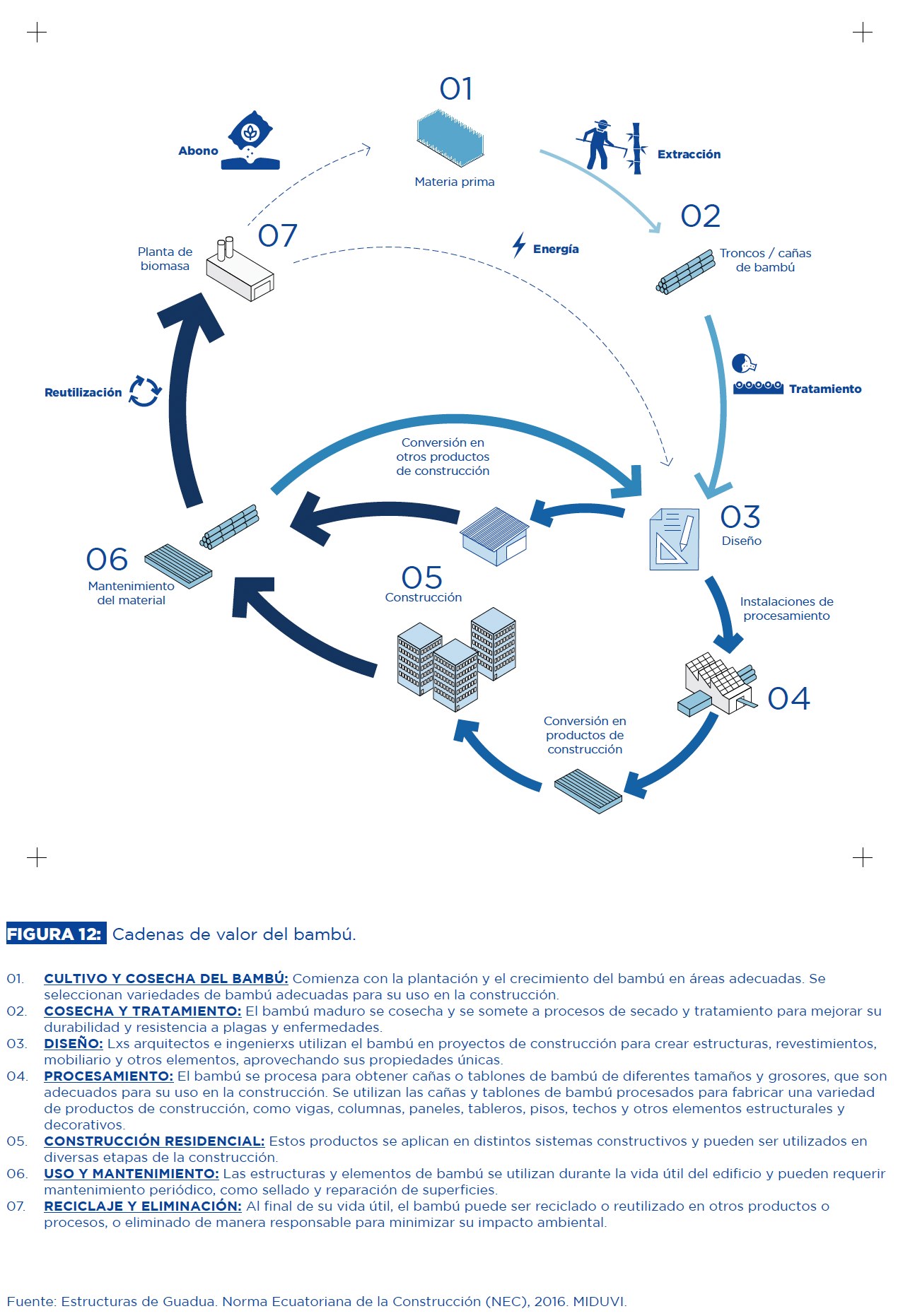
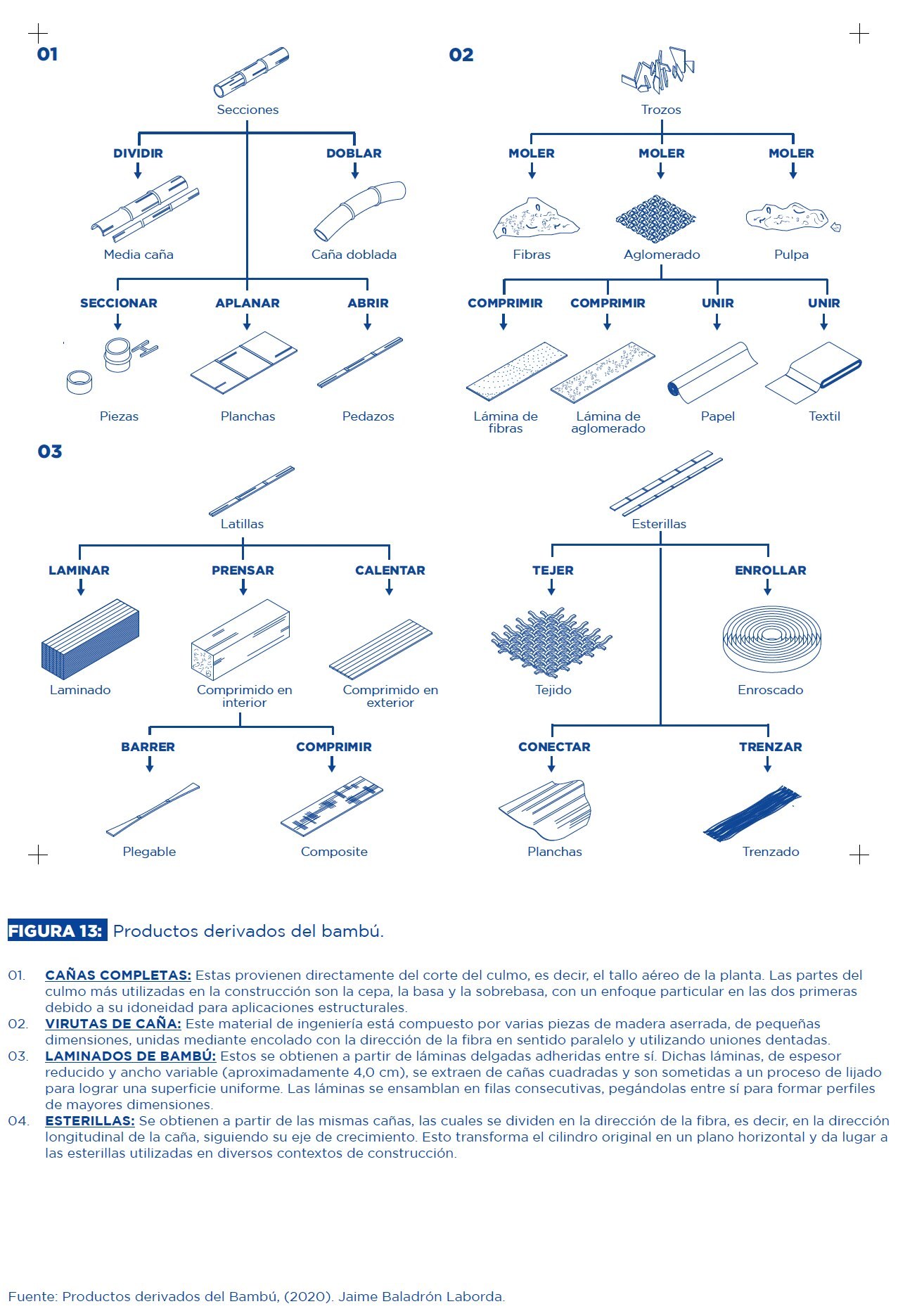
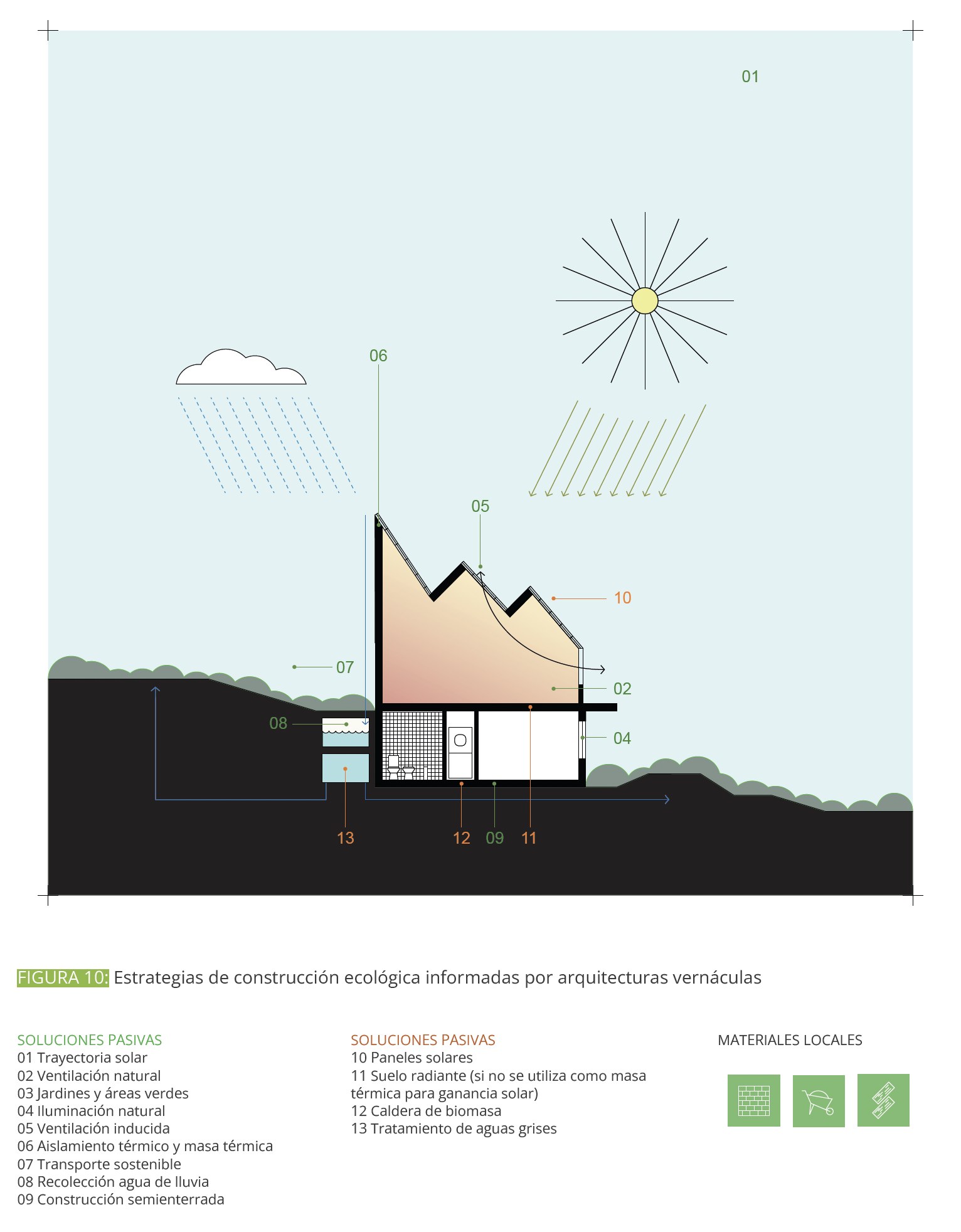
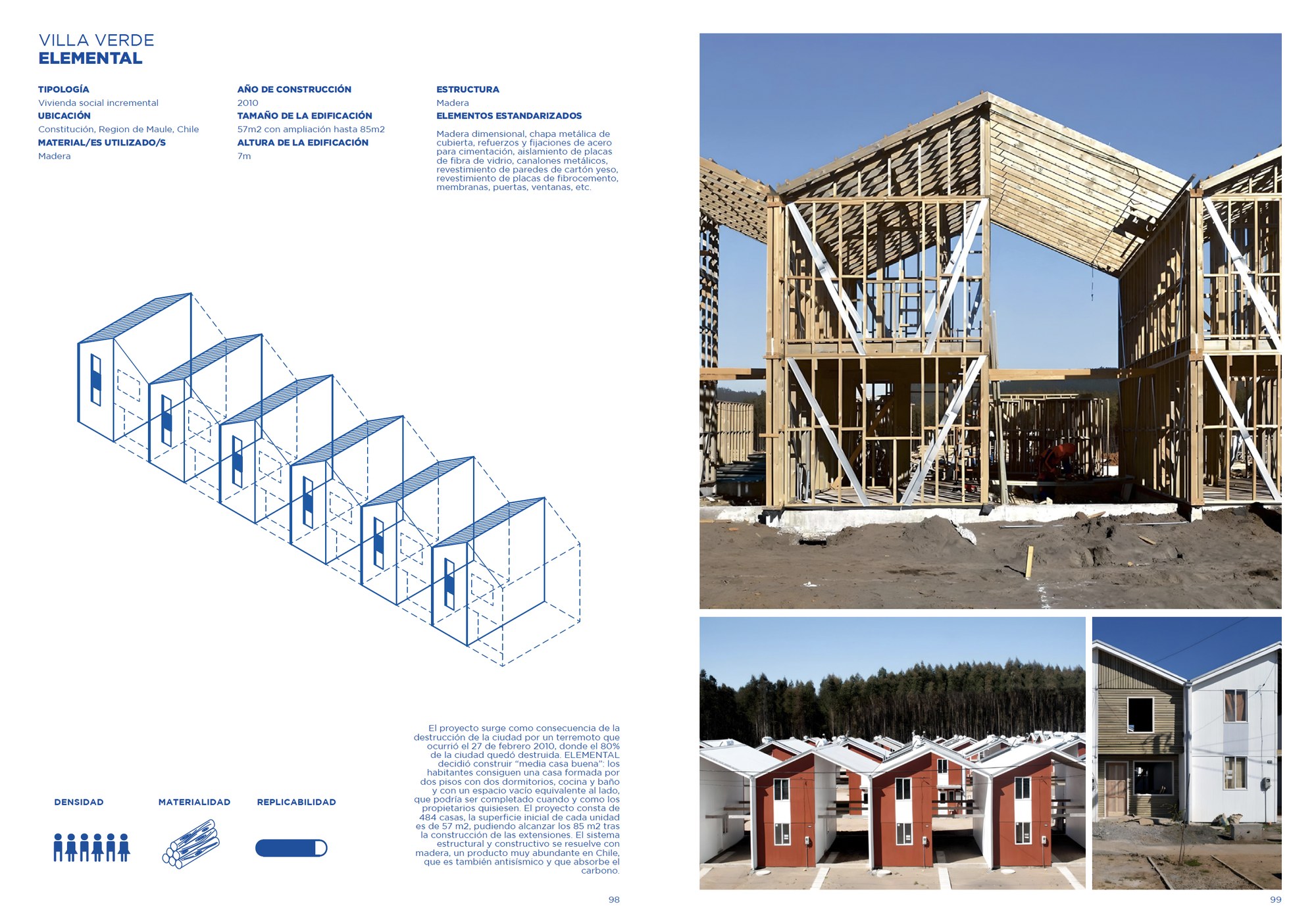
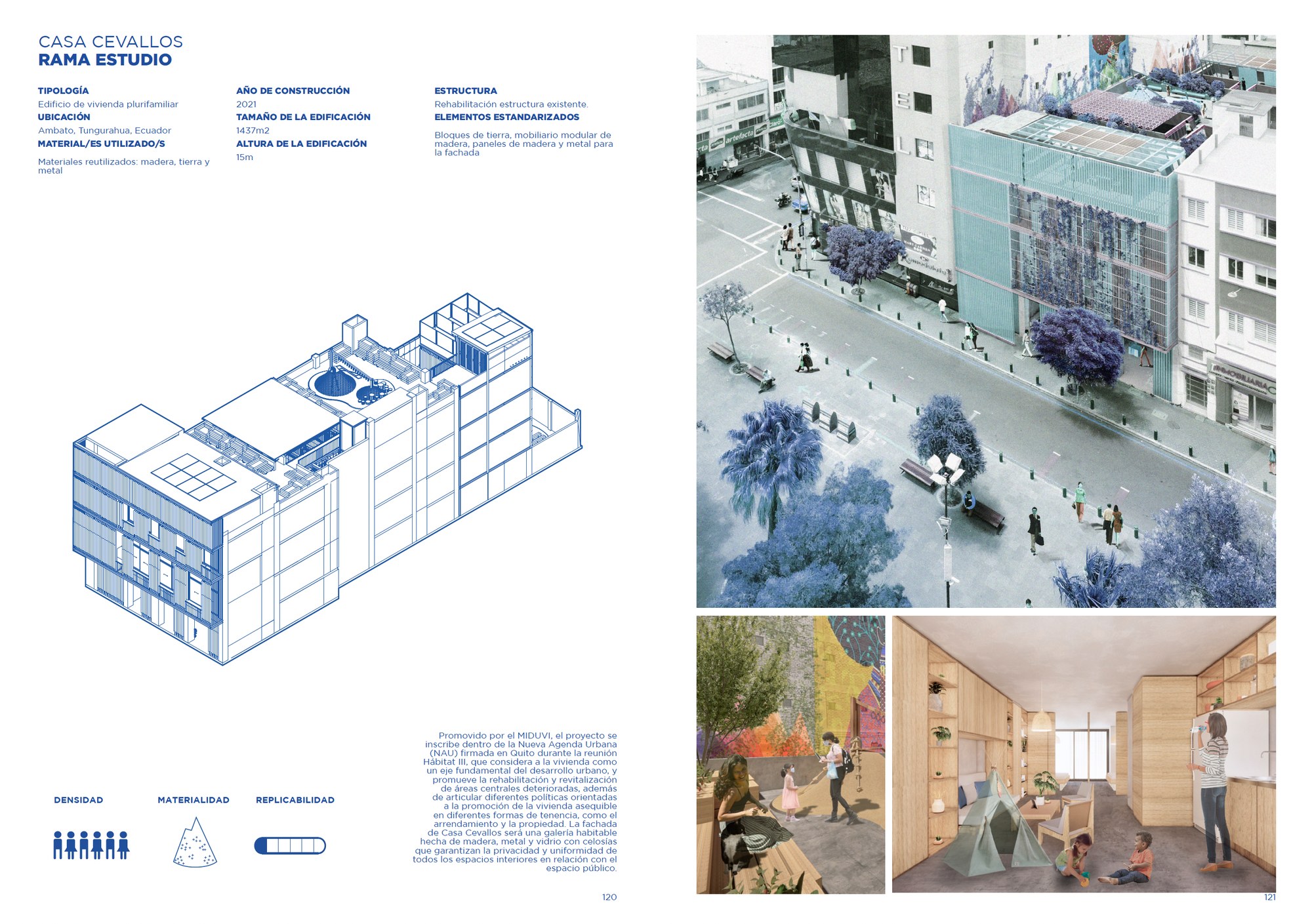
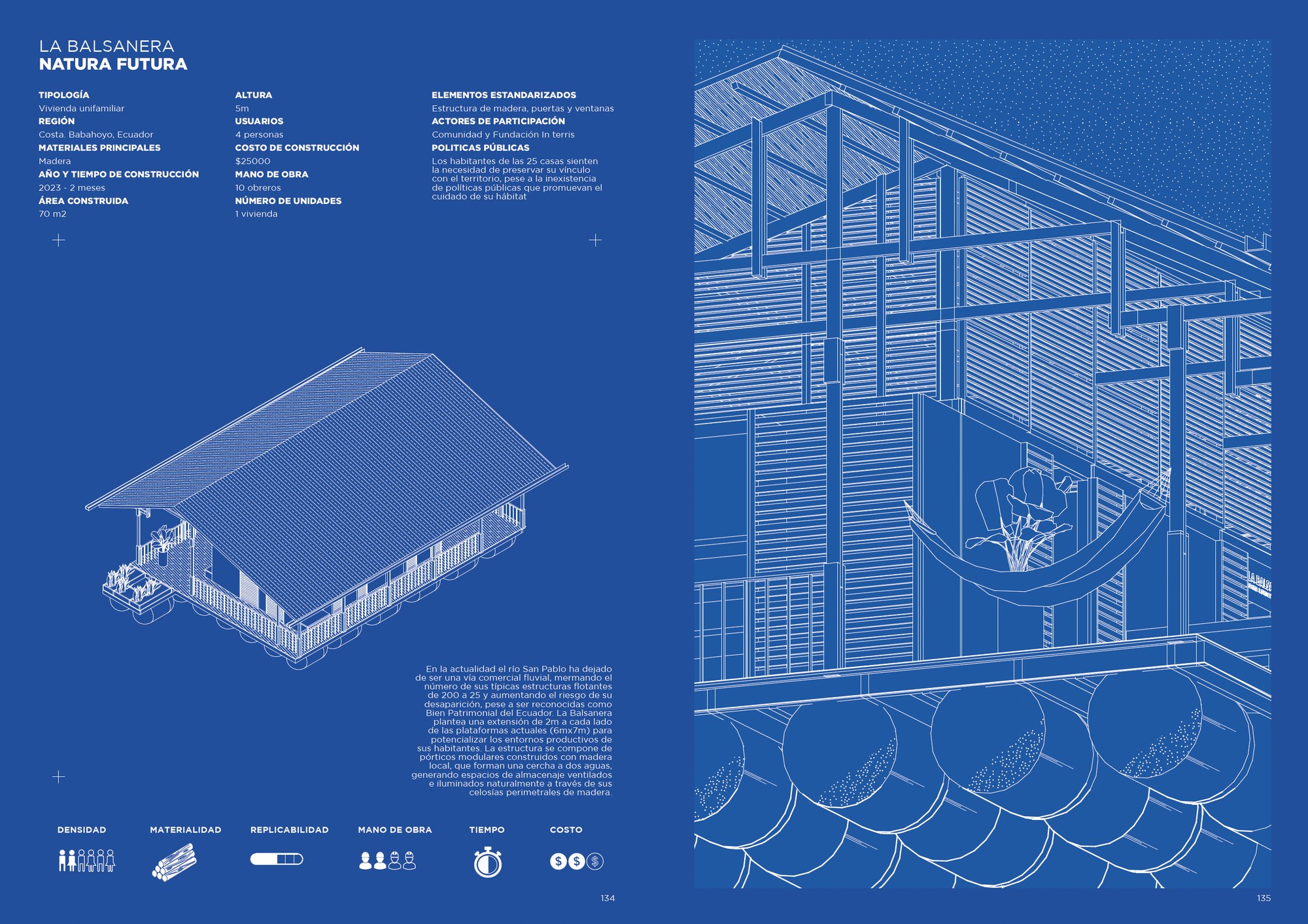
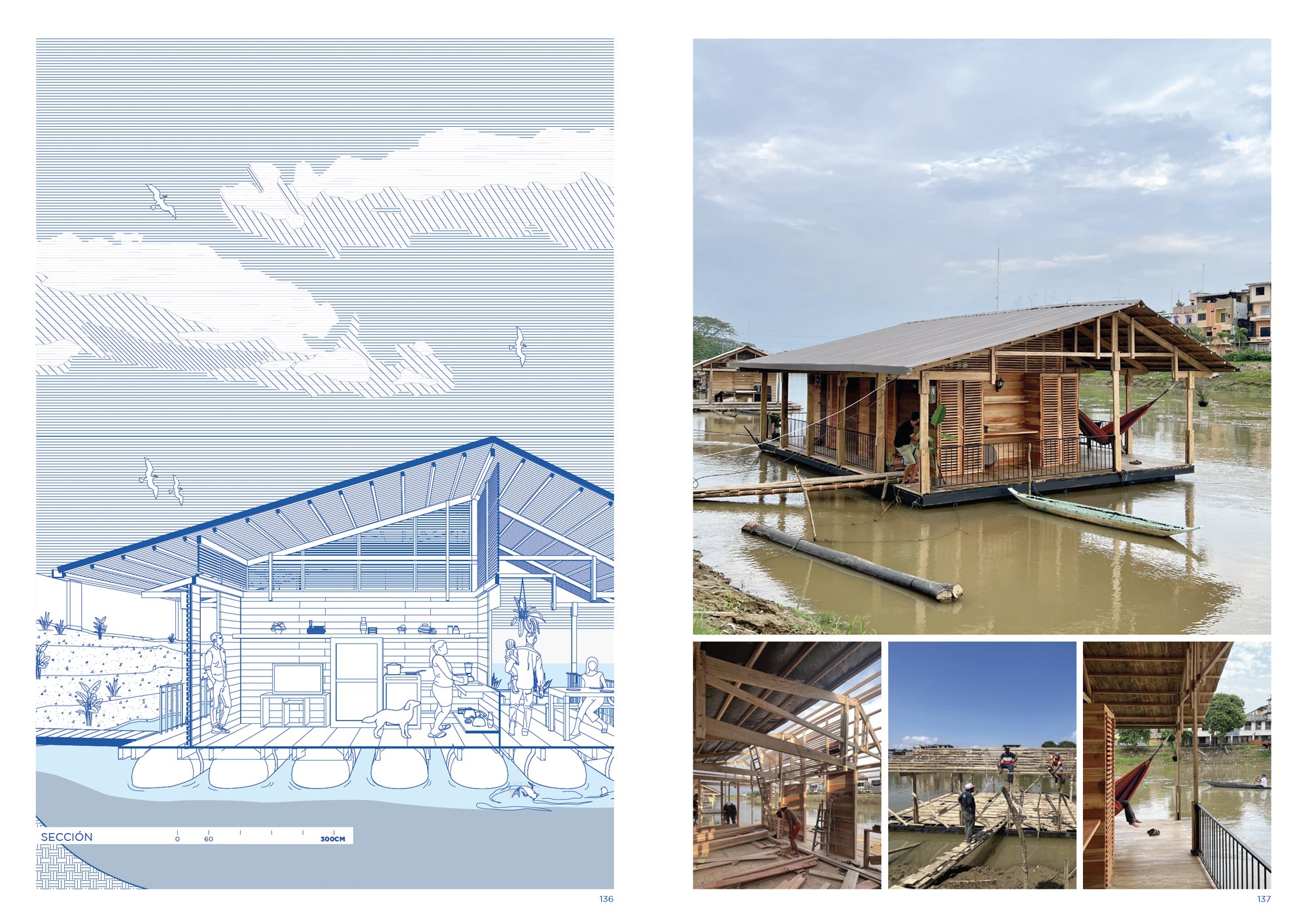
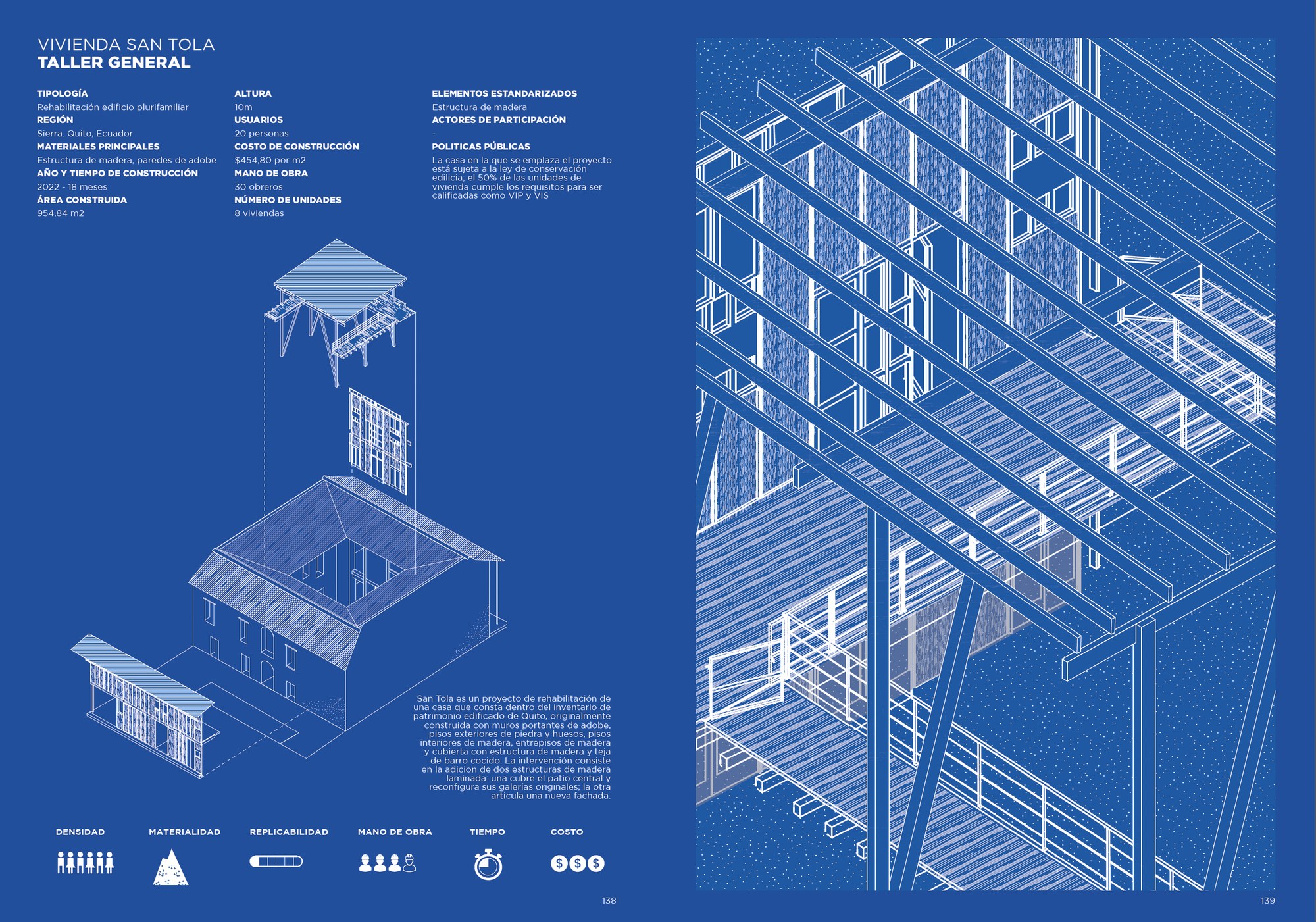
Commissioned by the World Bank Group and the Inter-American Development Bank, the two companion reports examine collective housing across Latin America and the Caribbean through the lens of organic materials: wood, bamboo, earth and recycled feedstock. They map, through environmental data analysis, where each material is prevalent and where bio-based supply could be developed; diagram the value chains; document best-practice case studies; and set out policy recommendations with short, medium and long-term implementation strategies. The Ecuador-focused report is grounded in firsthand stakeholder insight: 15 semi-structured expert interviews were conducted by videoconference in May–June 2023, with each participant given the questions in advance. Interviewees were selected to maximize geographic spread — 7 cities and districts across Ecuador's coast, sierra and Amazon — and institutional diversity, spanning academia, the private sector, NGOs and foundations, with a deliberately gender-balanced panel (9 women, 6 men). Those conversations, together with additional input from MIDUVI specialists and practicing Ecuadorian architecture studios including Rama Estudio, Taller General and Natura Futura, surfaced findings that shaped the report directly — among them, how the 2016 earthquake shifted public and professional perception of bio-based materials away from an association with temporary or low-status housing.