04 · Ecosystem Interventions
Every building at Valldaura starts as a standing tree 500 meters away. This is the part that decides which tree — and why.
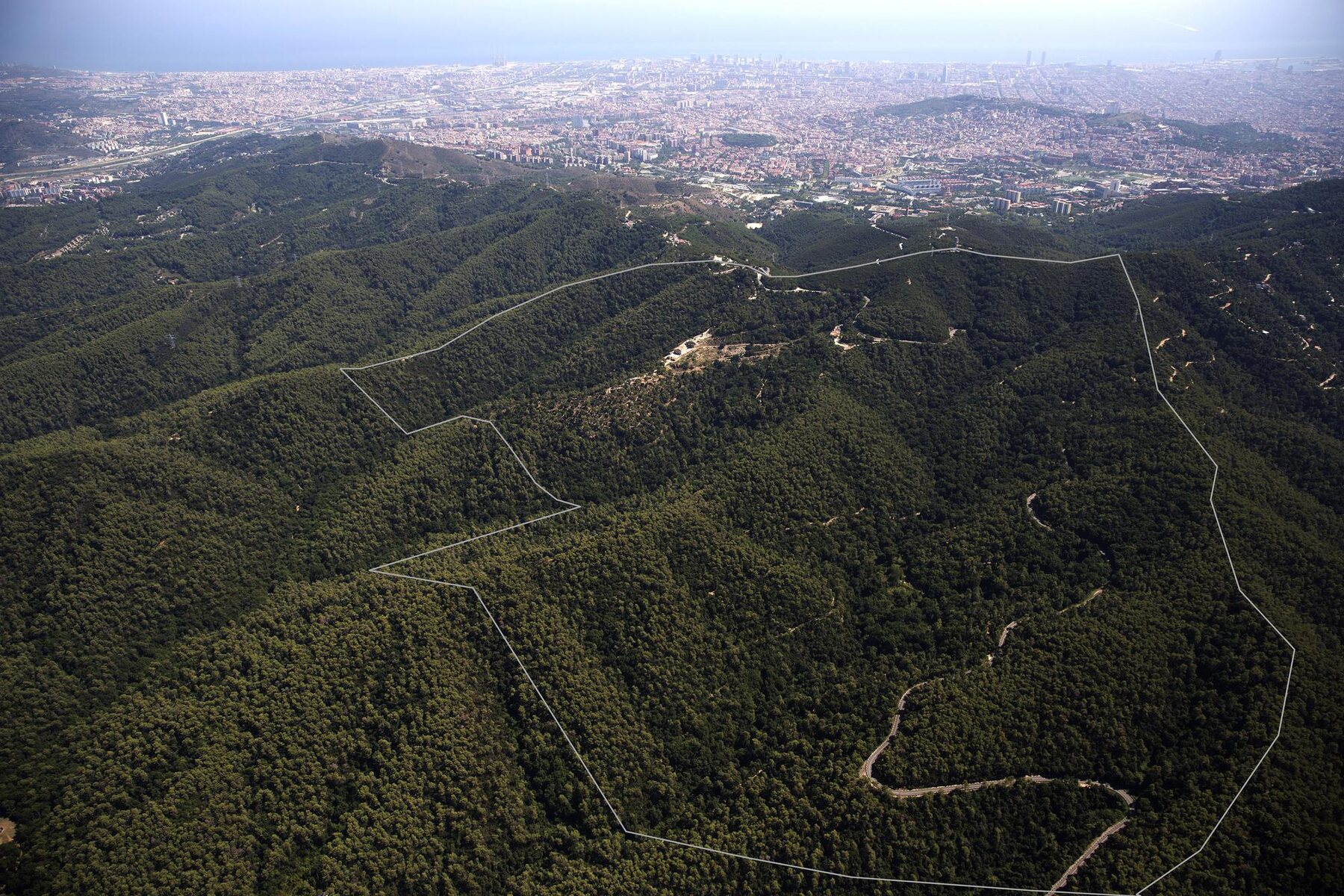
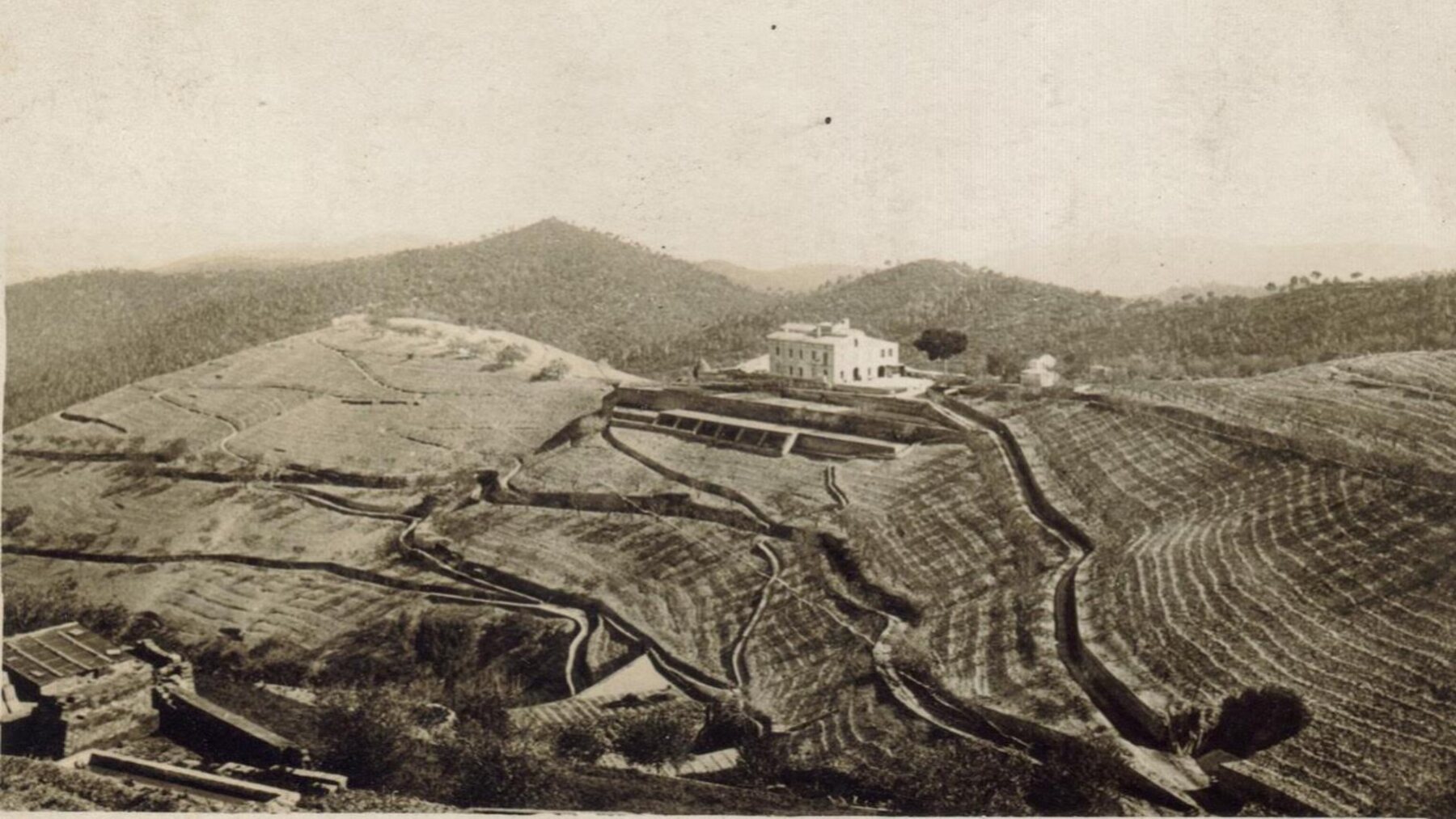
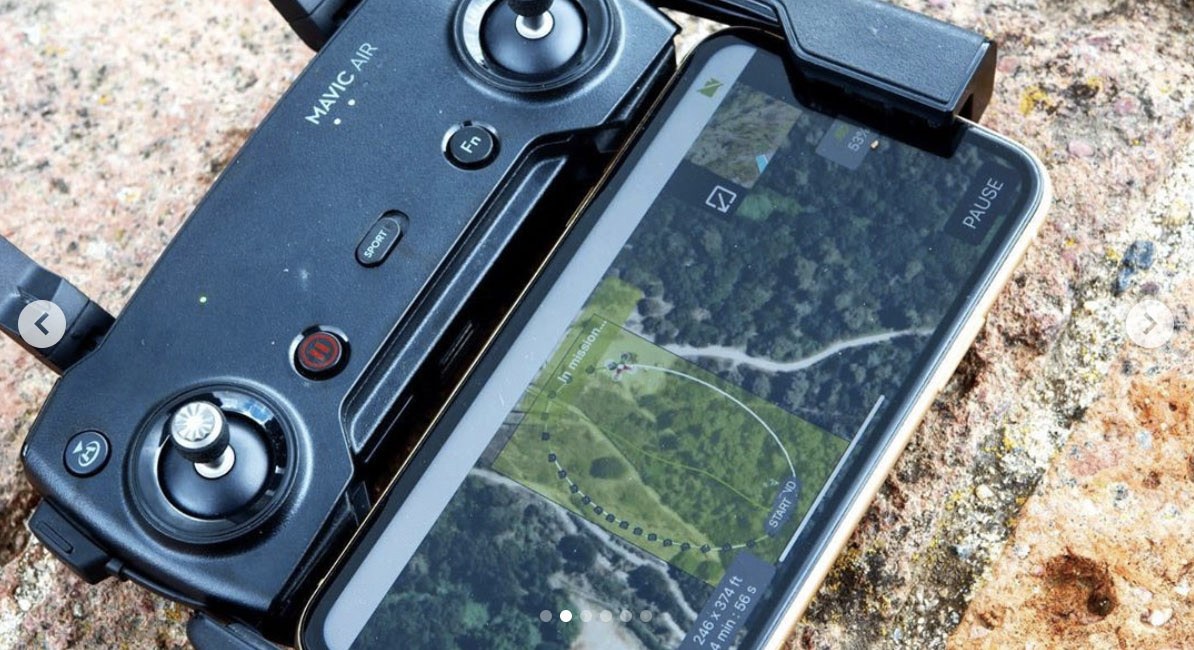
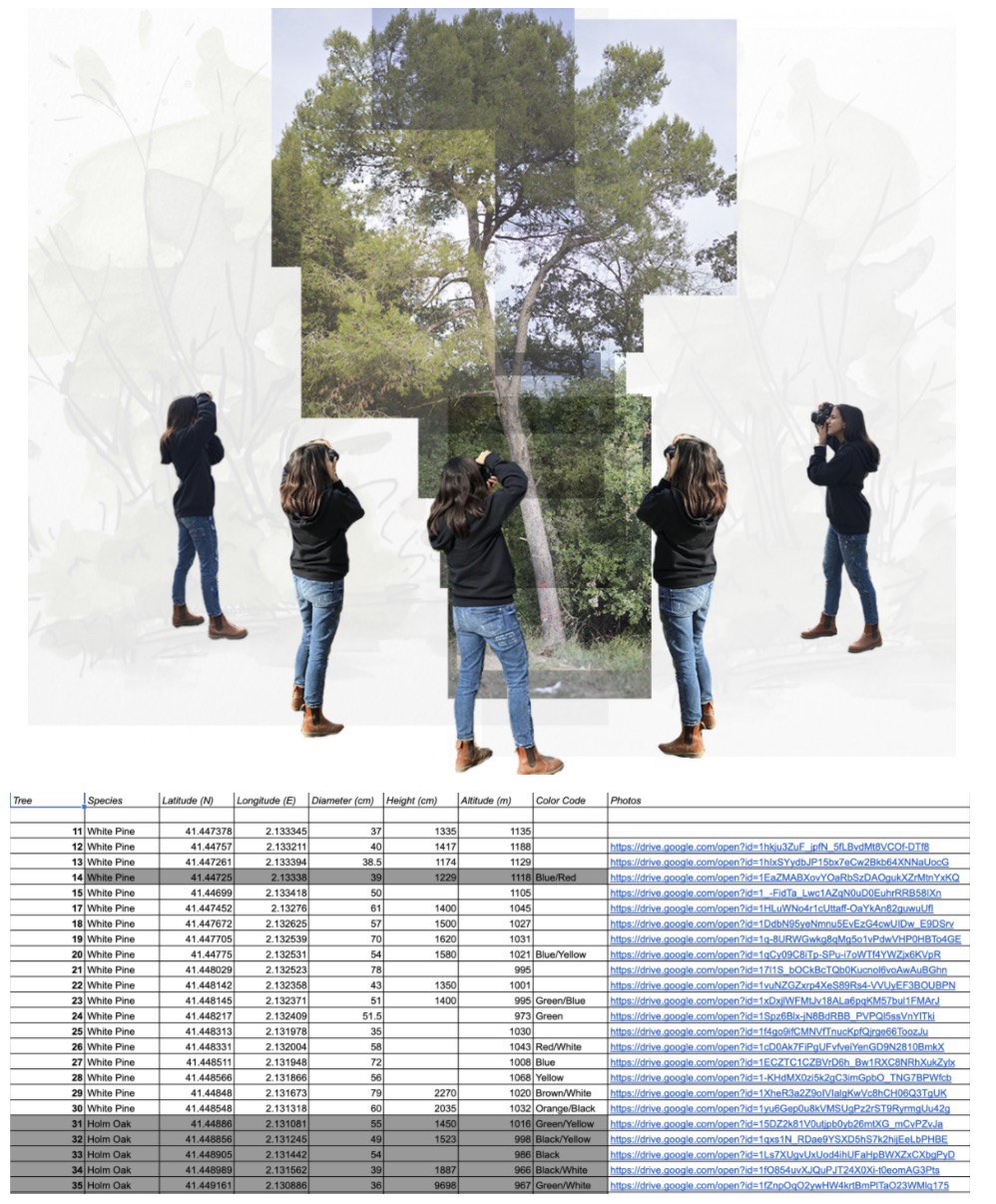
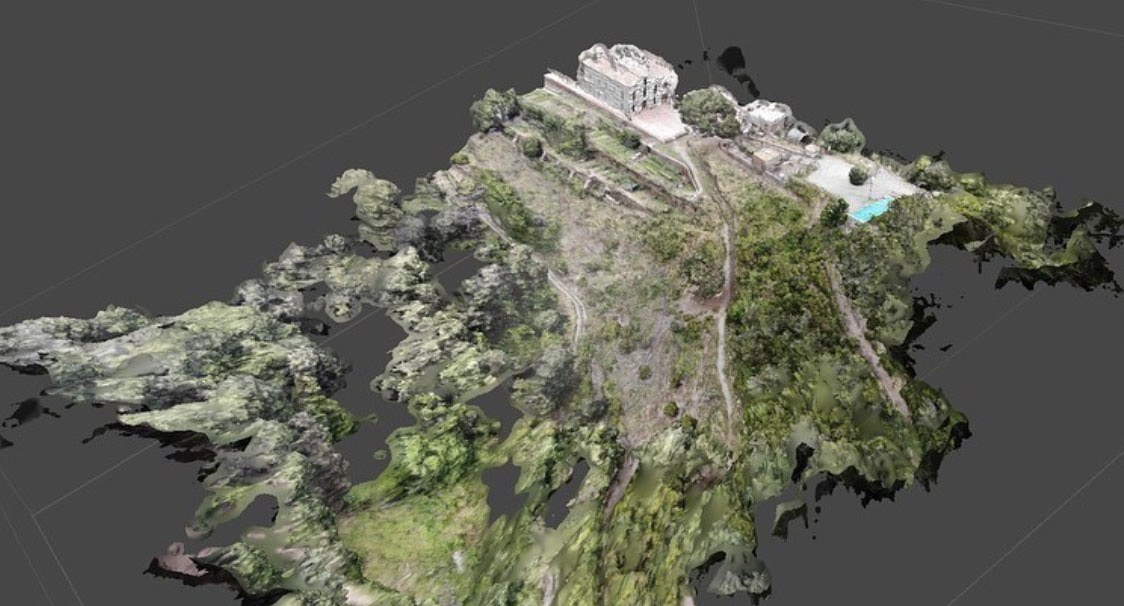
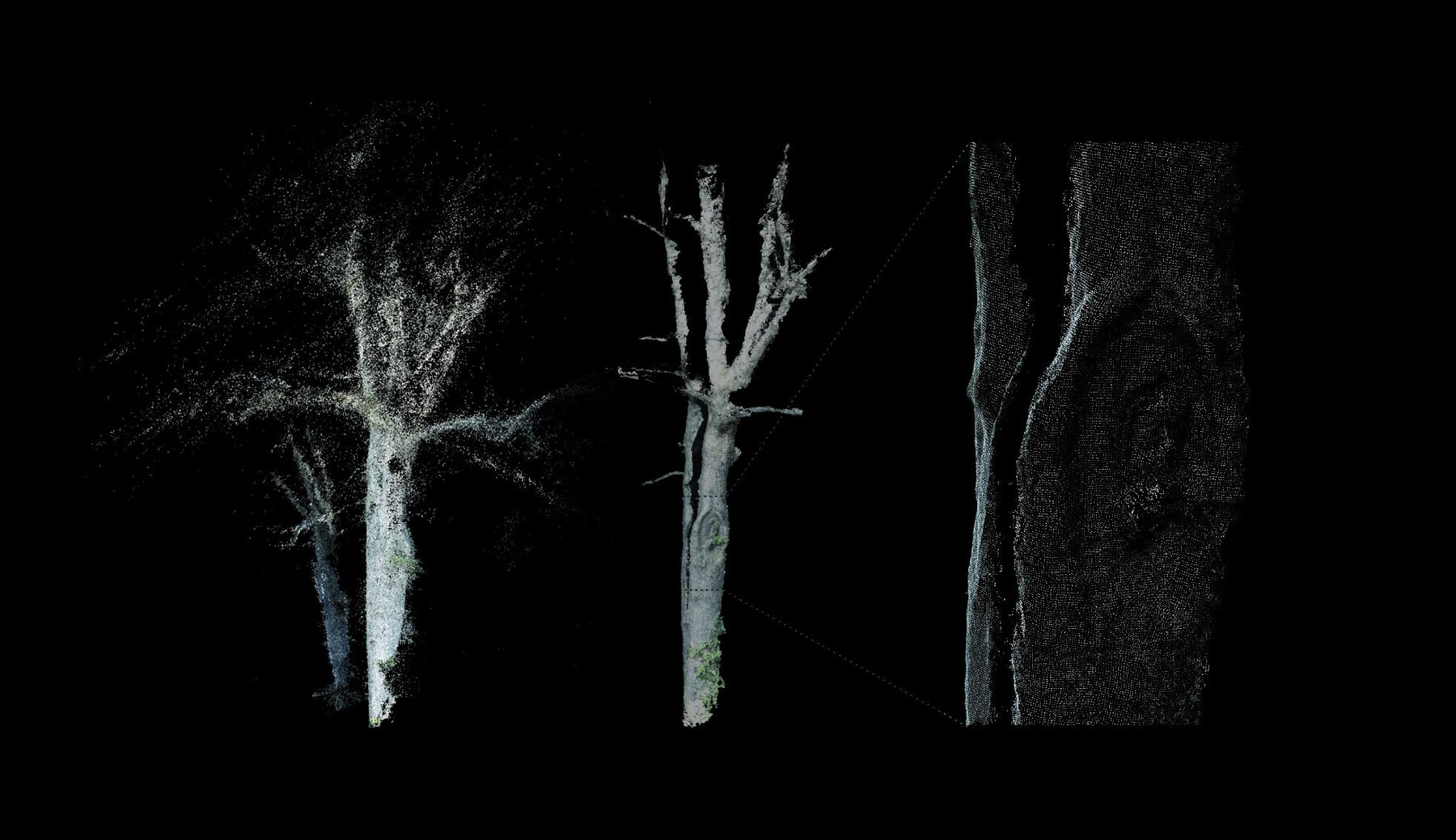
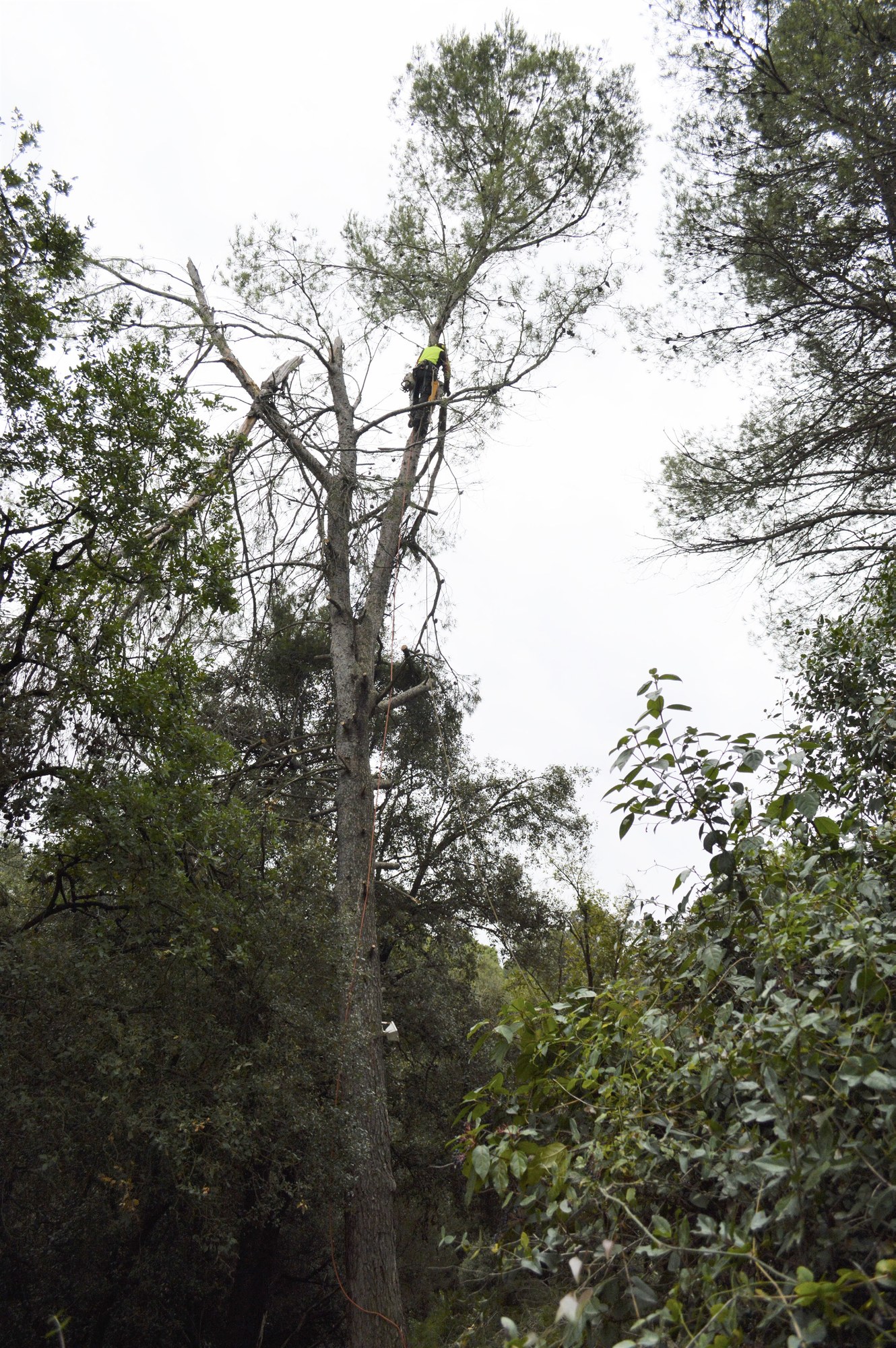
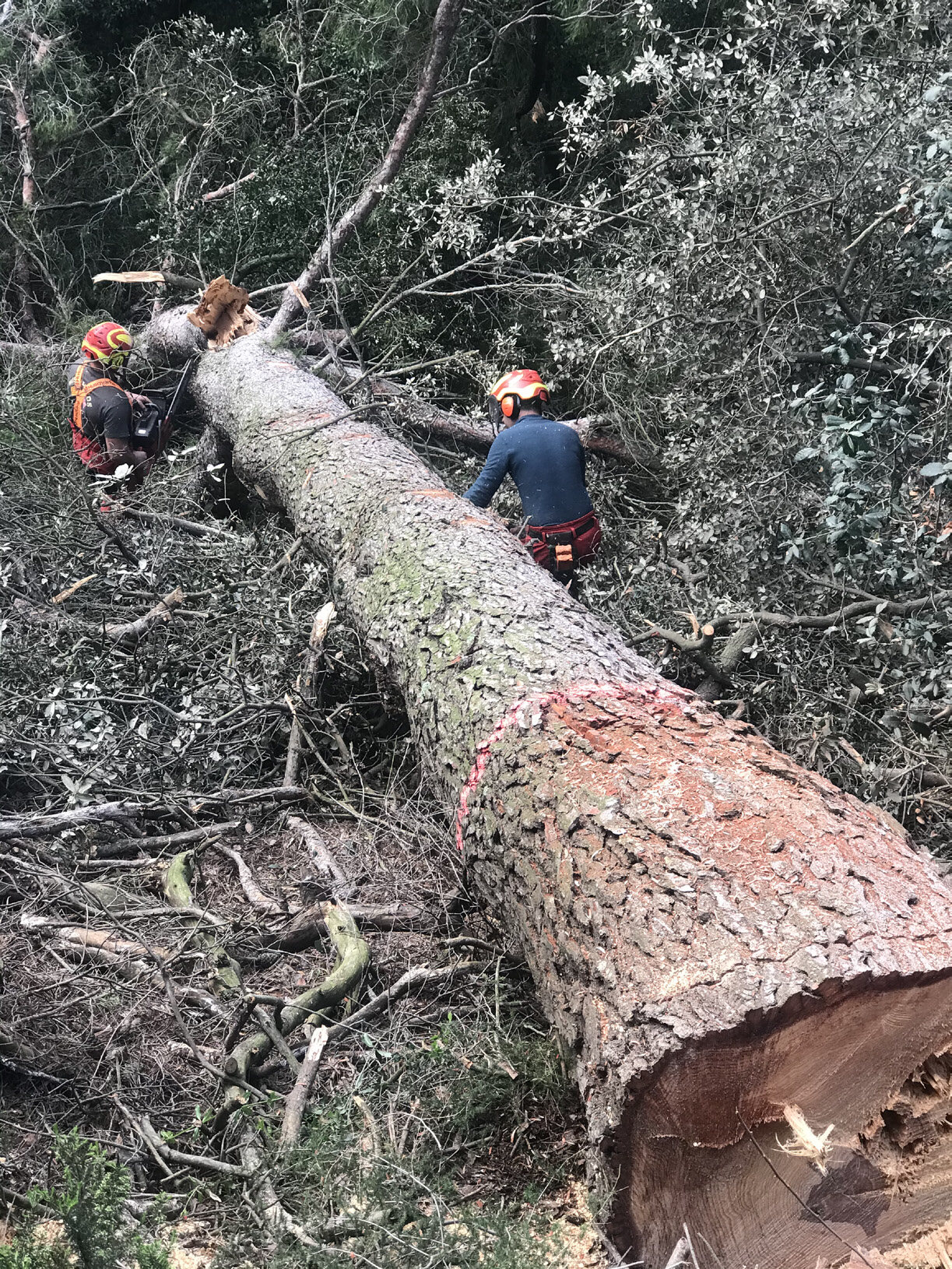
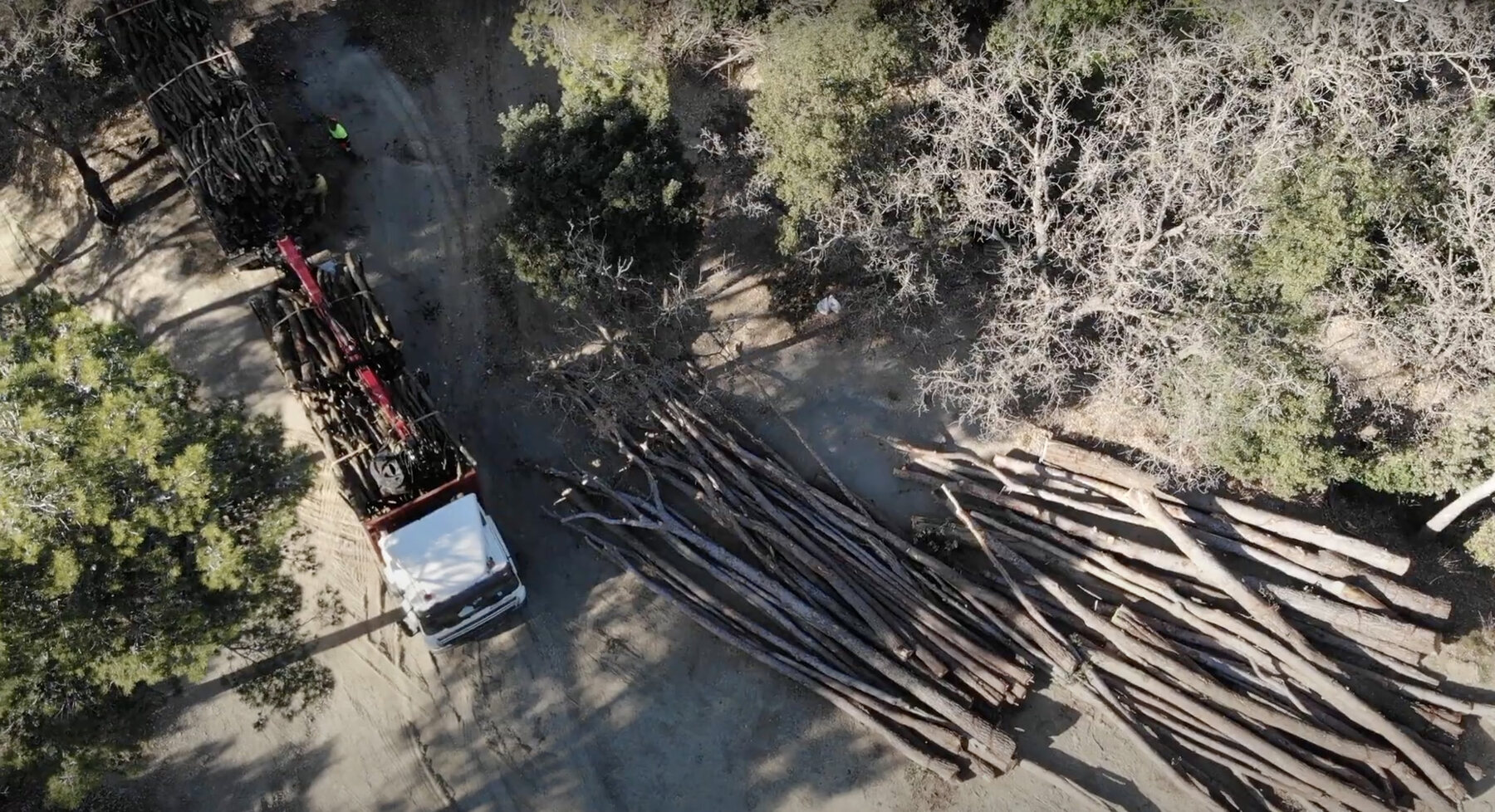
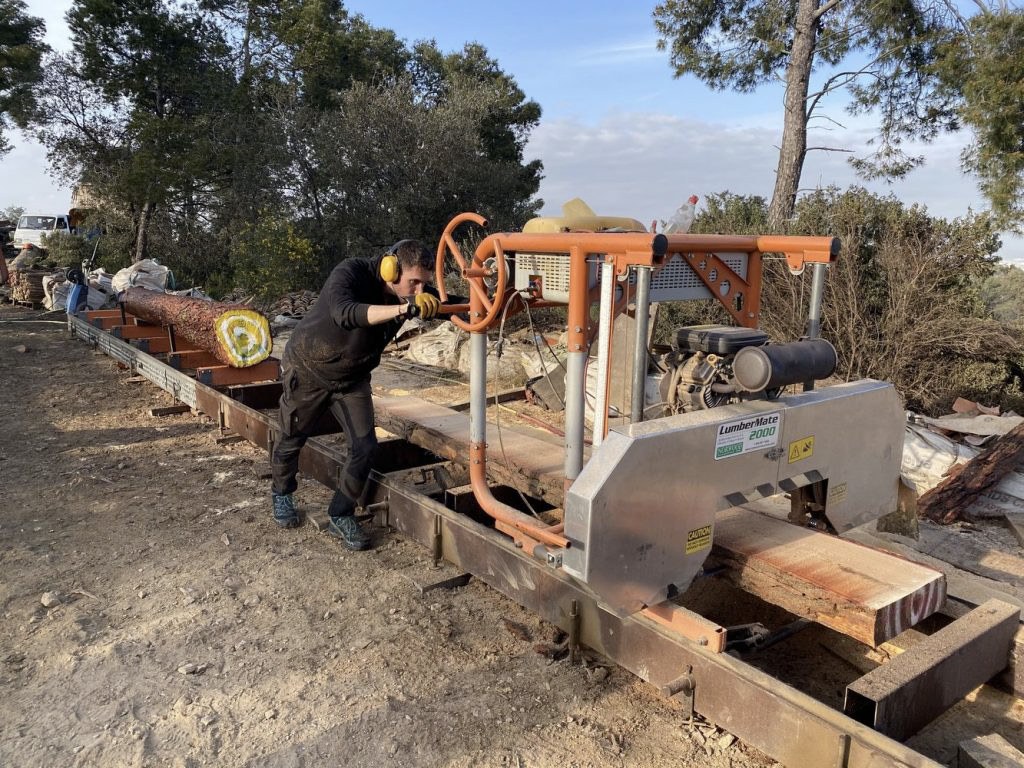
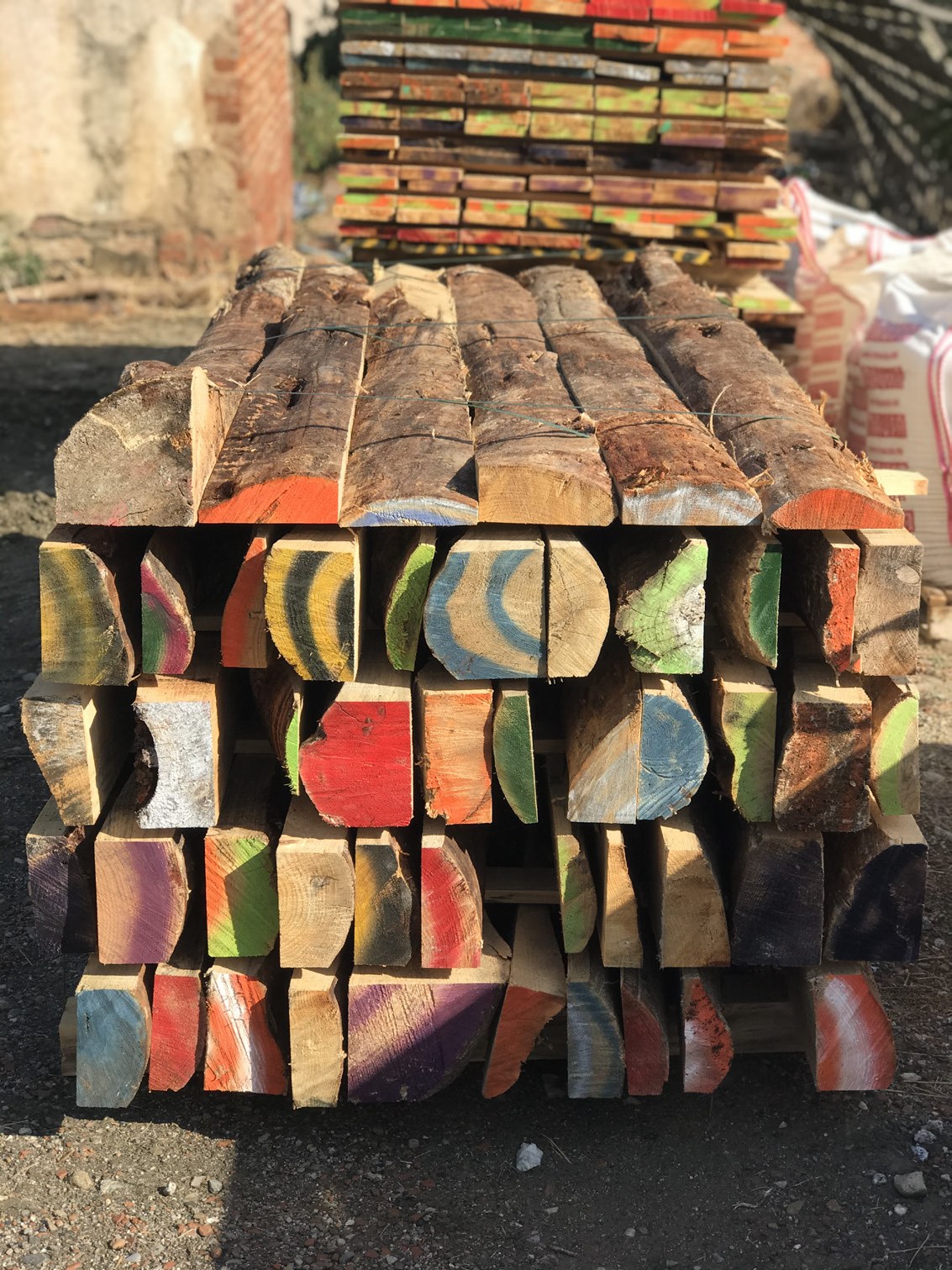
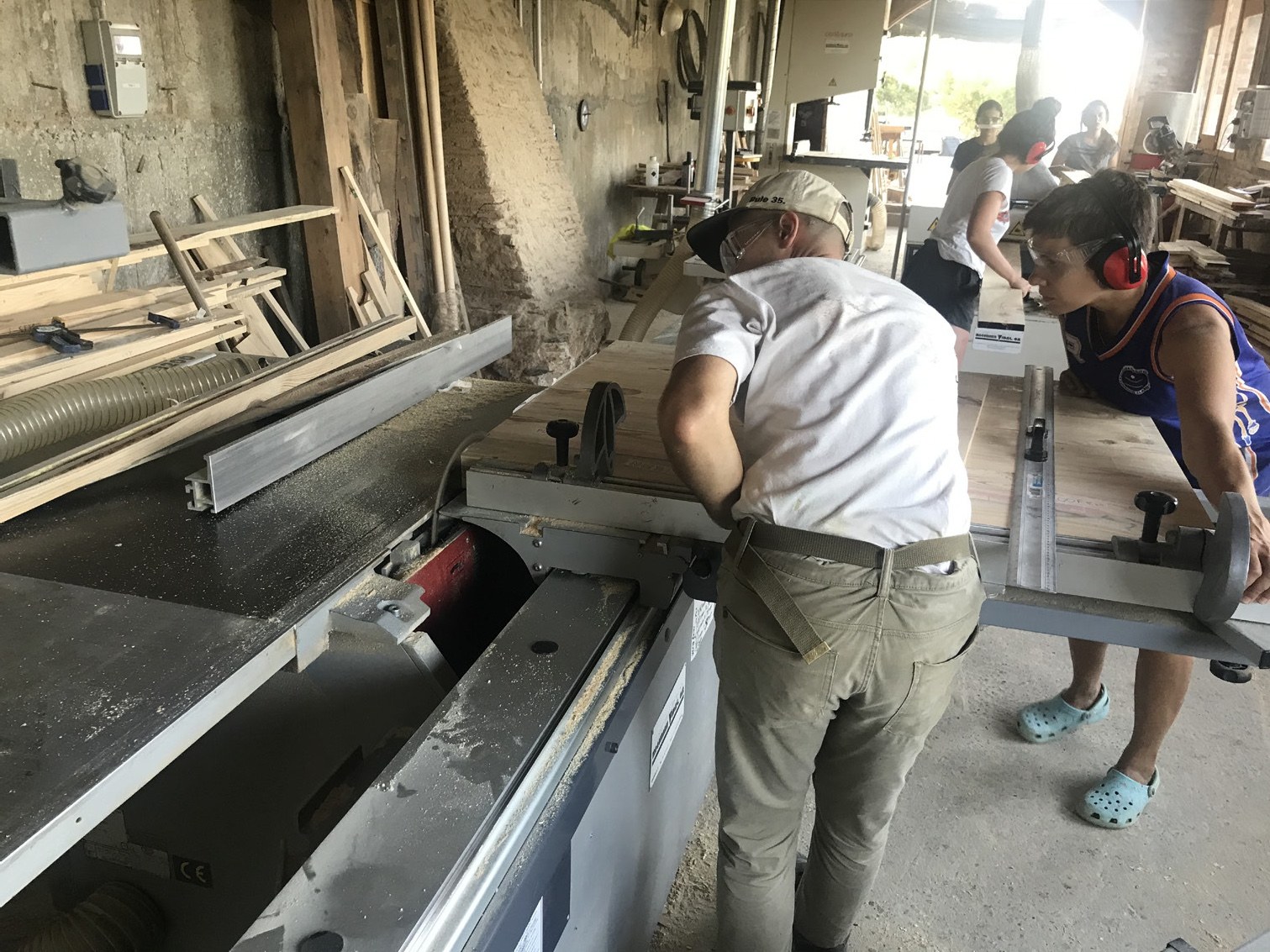
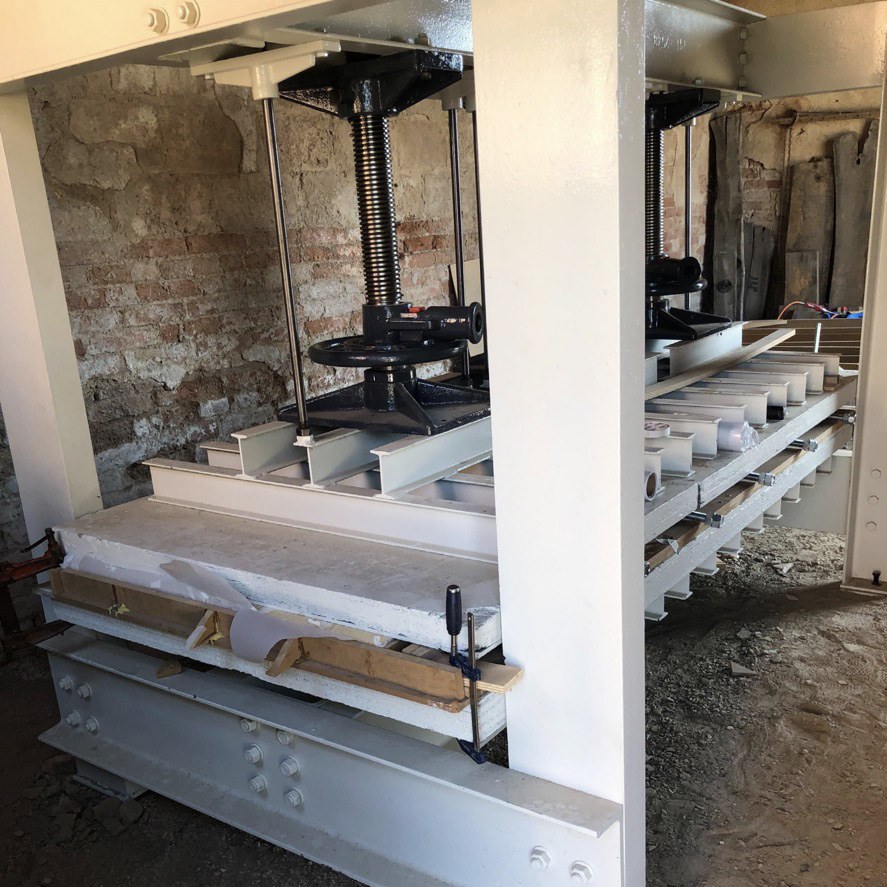
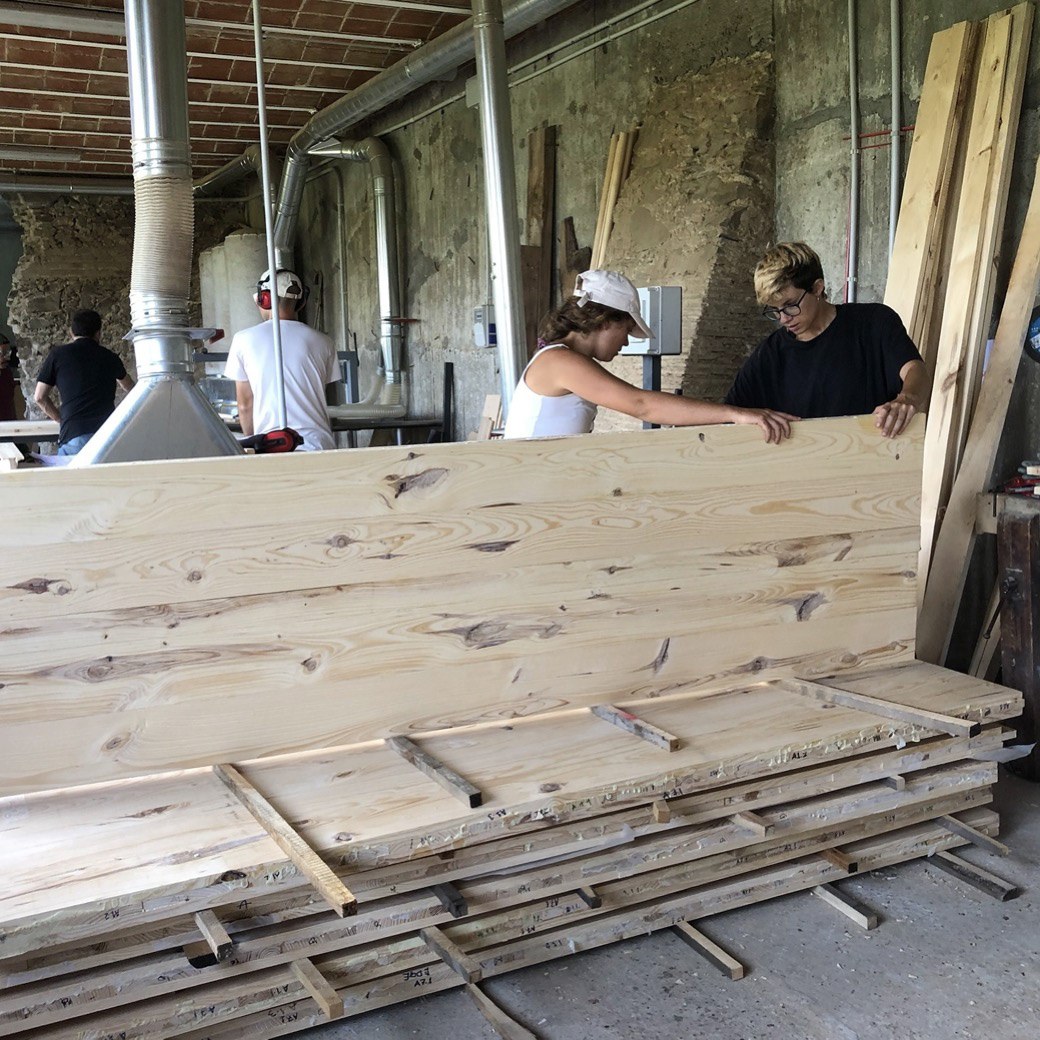
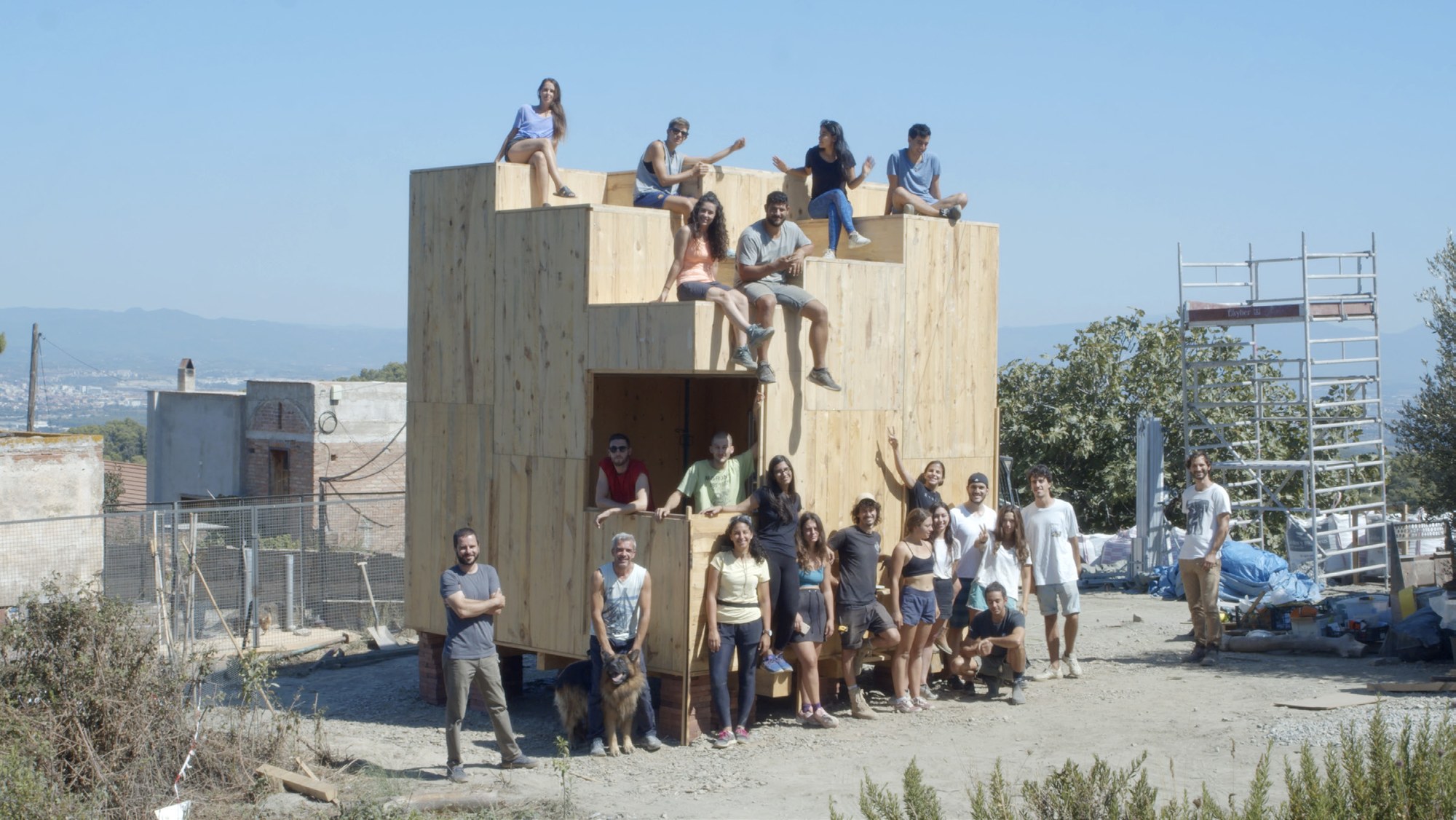
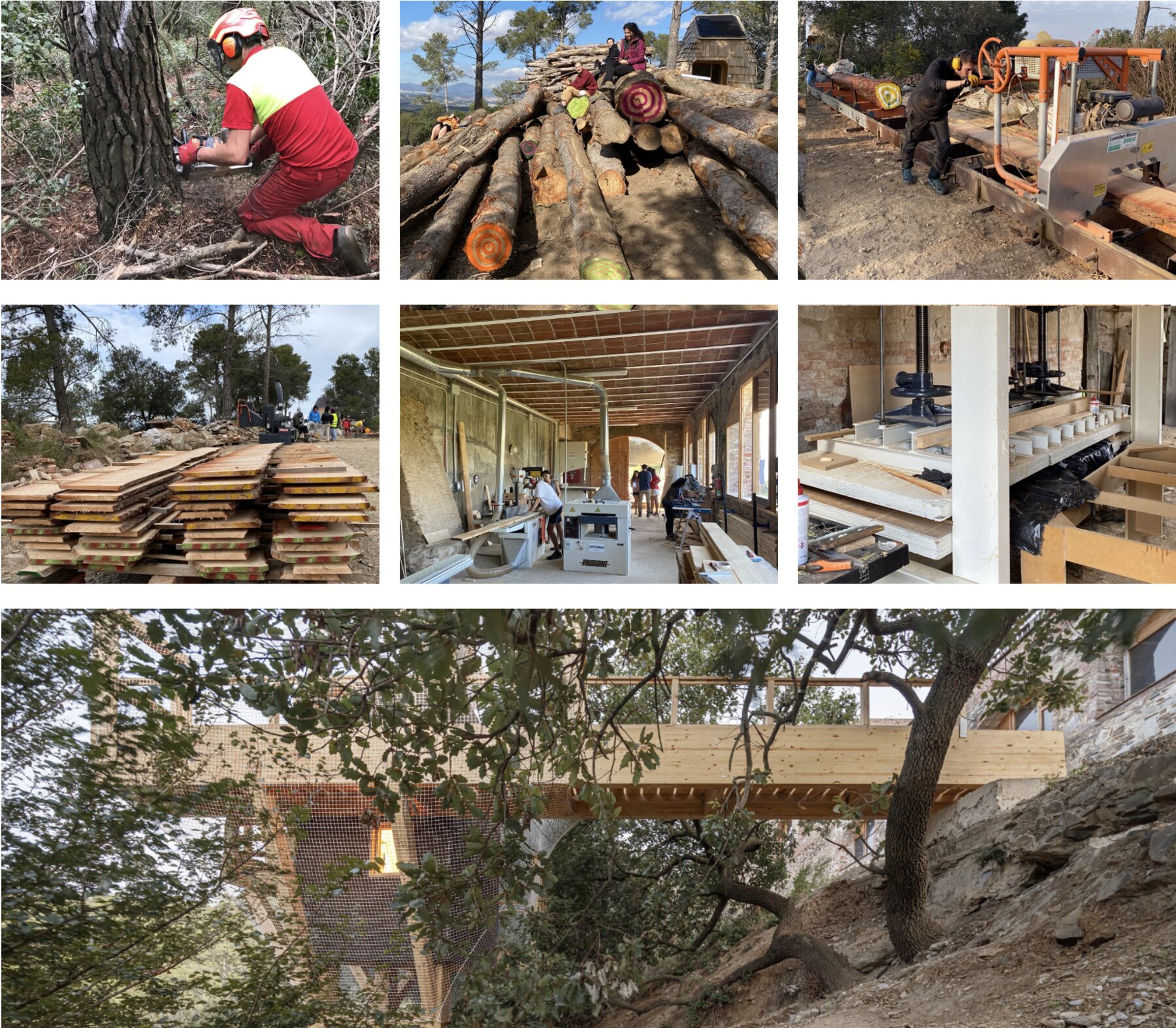
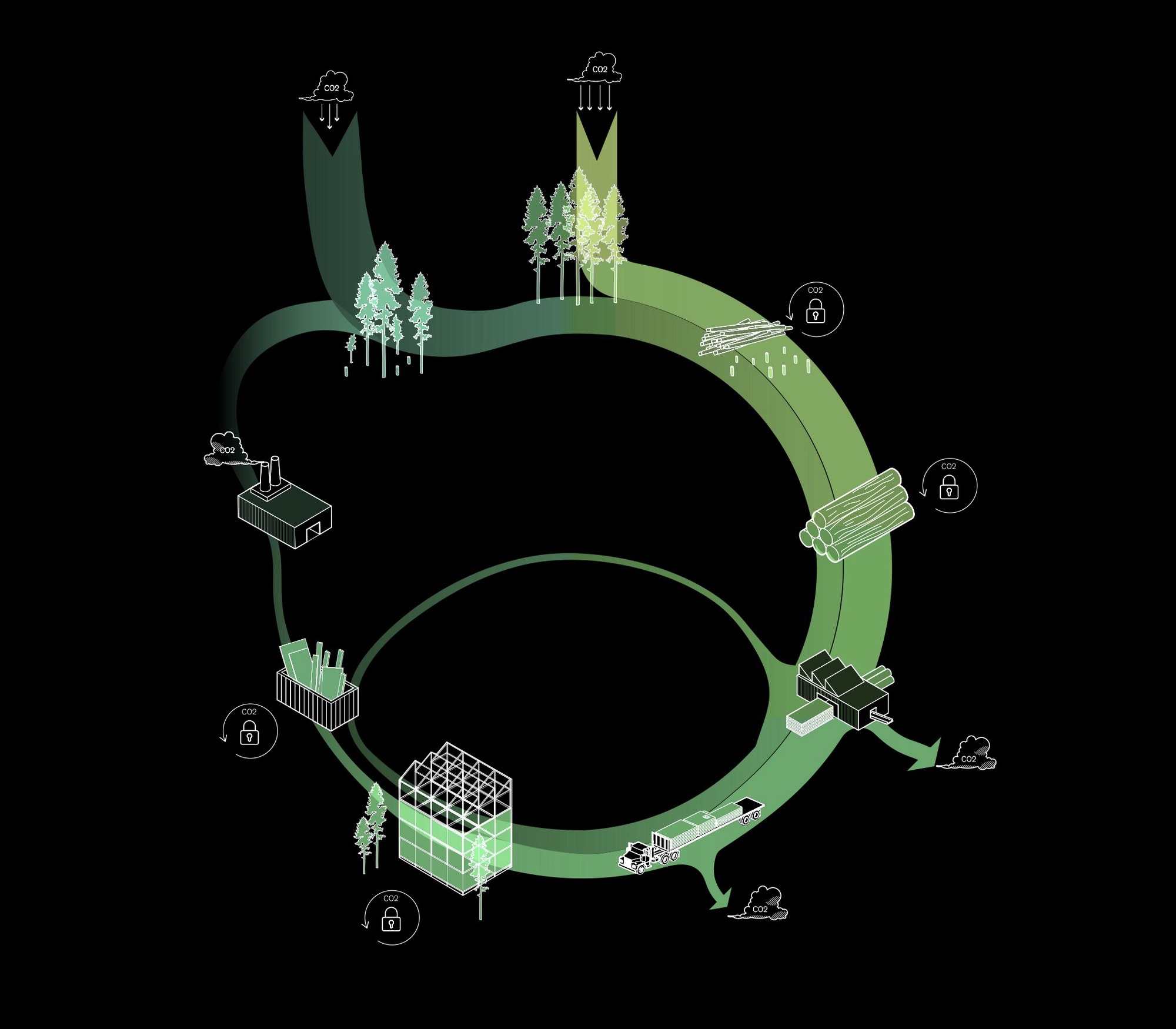
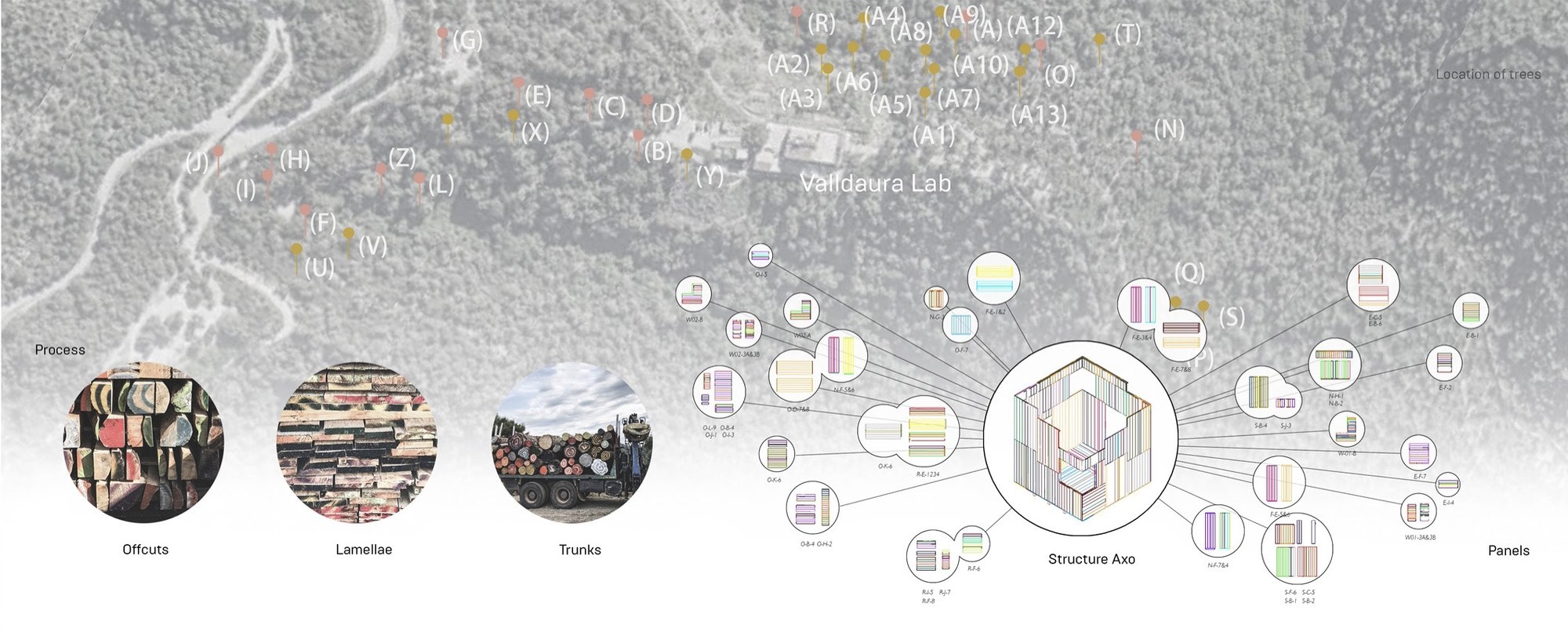
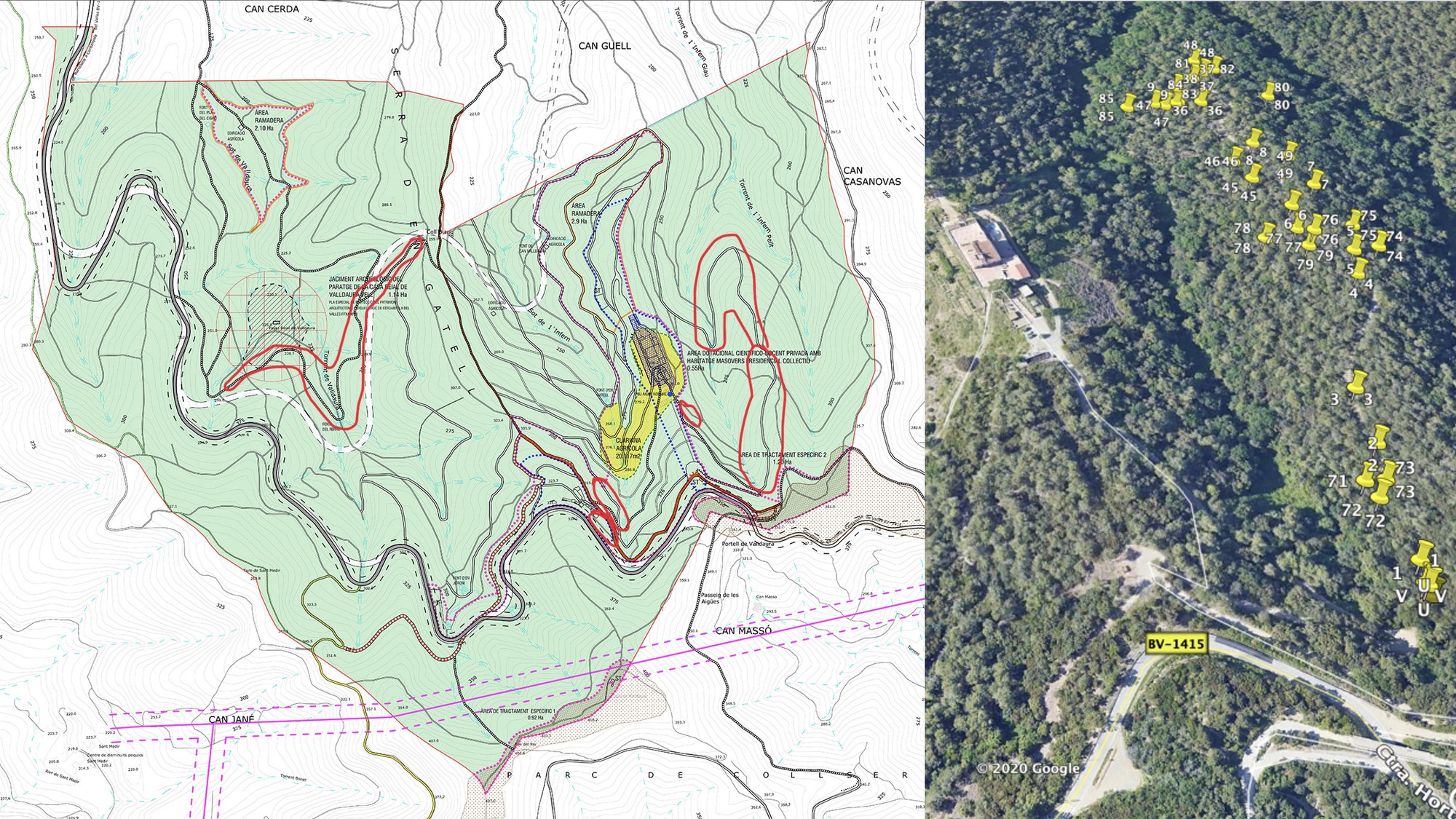
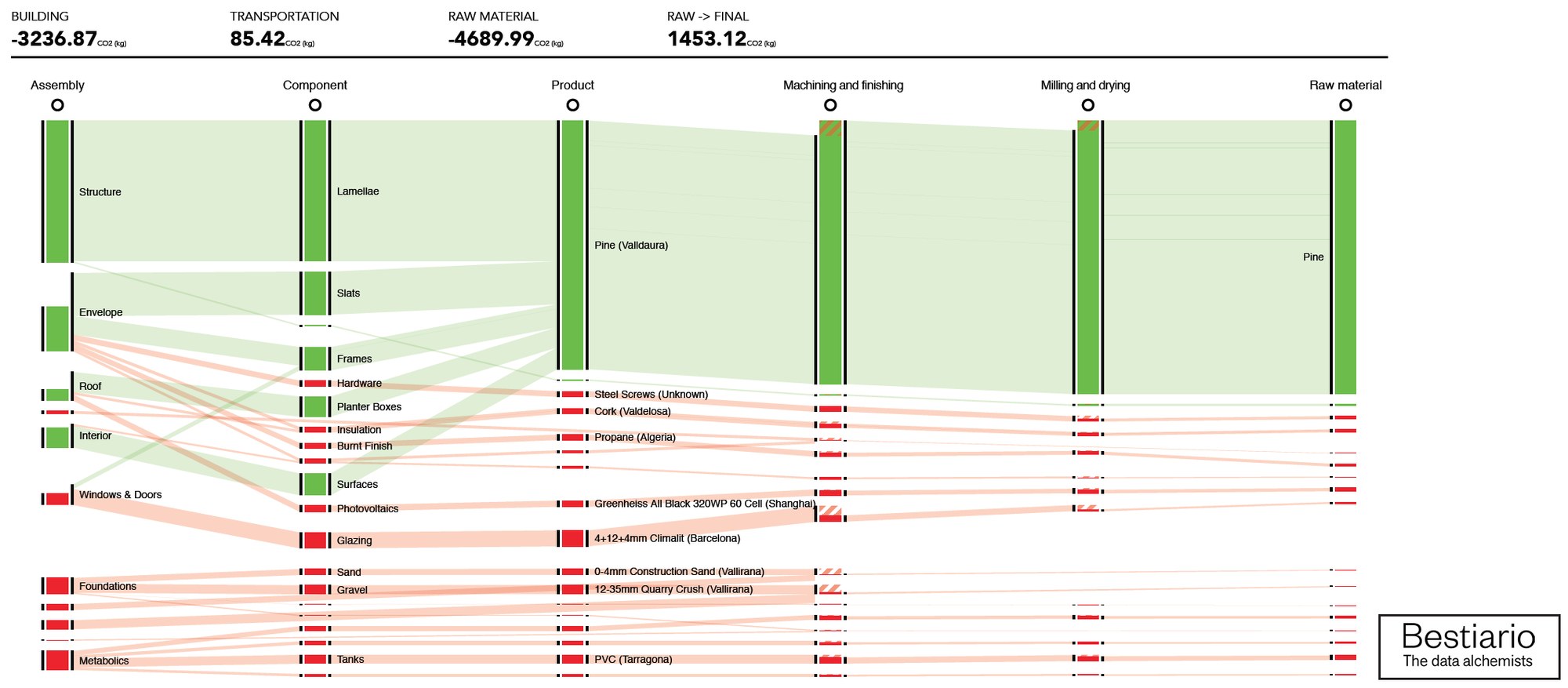
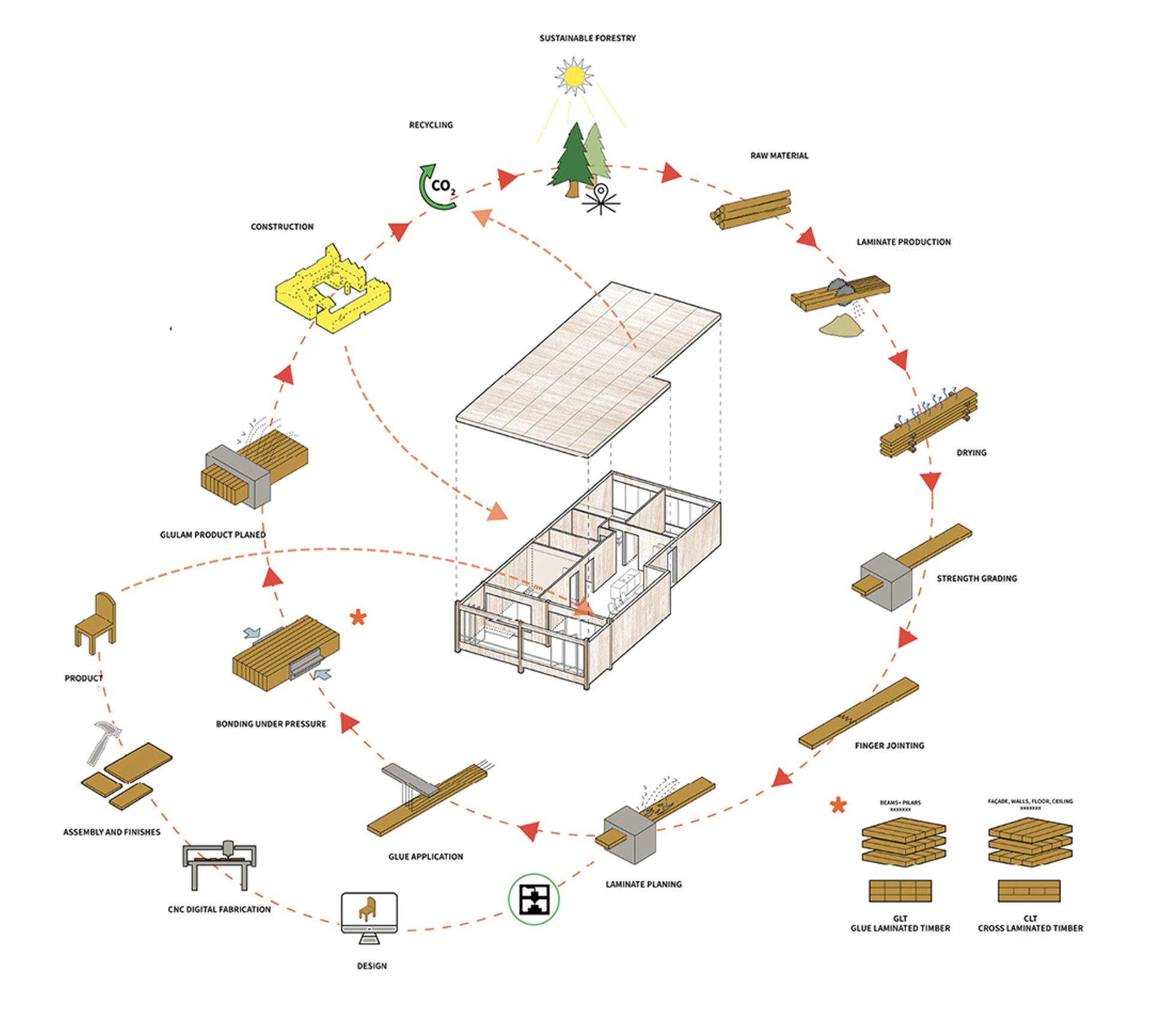
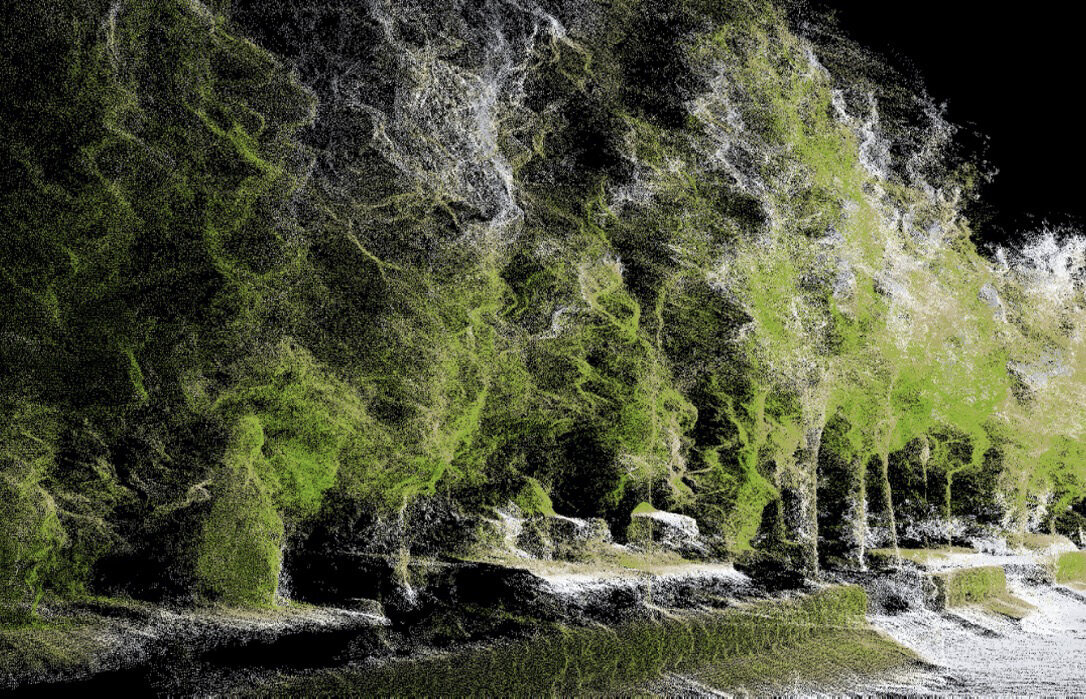
The 135-hectare Valldaura estate sits inside the 8,000-hectare Collserola Natural Park, ten kilometers from Barcelona's center. It looks like ancient woodland, but it isn't: the estate was clear-cut in the 1940s, so what stands today is a young, even-aged pioneer forest — dense stands of low-value pine that colonised the bare ground first. Pioneer species are meant to be a stage, not an end state. Left alone, that thicket stalls: crowns close, light never reaches the floor, and the oaks and other native hardwoods that would normally succeed the pines cannot establish. Competition for water also leaves the whole stand brittle in drought and primed to burn. That makes the forest's youth an opportunity rather than a deficit. By selectively harvesting the pioneer pines — 40 to 60 stems a year, chosen with ecologists — the work opens the canopy, releases the suppressed hardwood regeneration underneath, and accelerates ecological succession toward a more stable climax community: greater biodiversity, deeper shade, better water retention, and far more resilience to drought, pests, erosion and wildfire. The thinnings are not waste. They are milled and pressed on site into the cross-laminated panels that become cabins, greenhouses and vaults, so the carbon stays locked in a building for decades. Stock, growth and carbon are tracked by terrestrial scanning with Noumena, so the harvest plan rests on measurement rather than estimate.
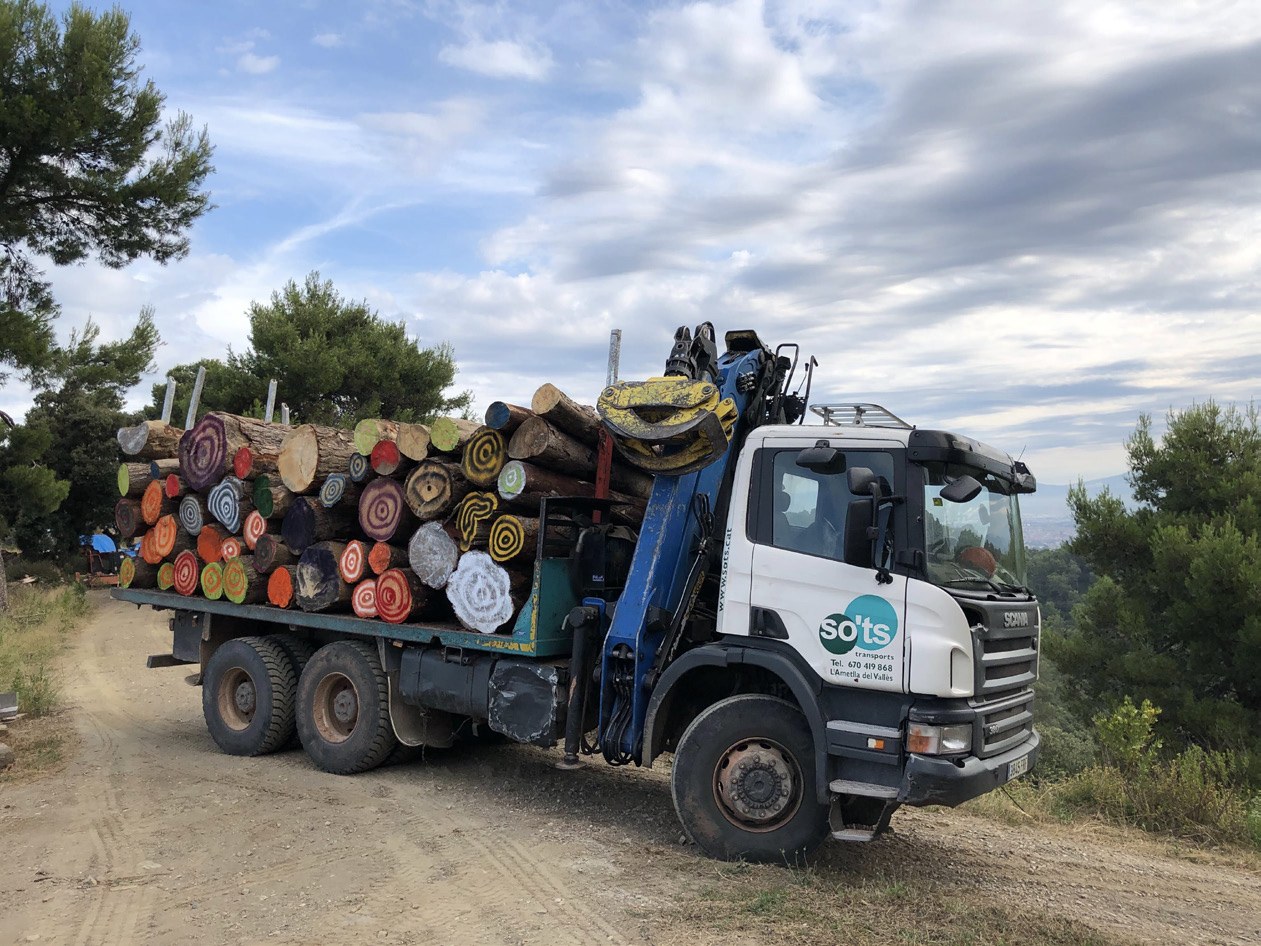
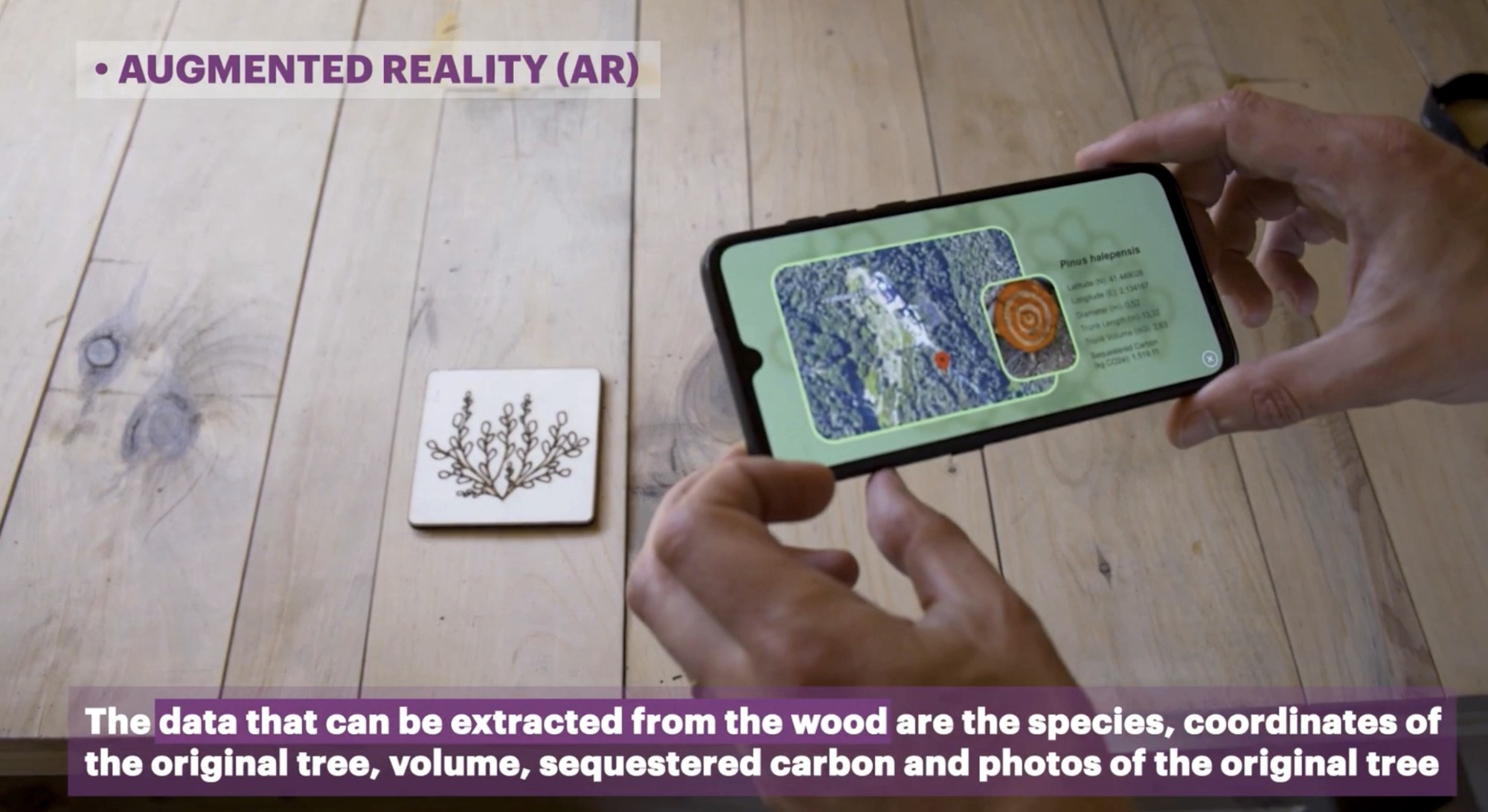
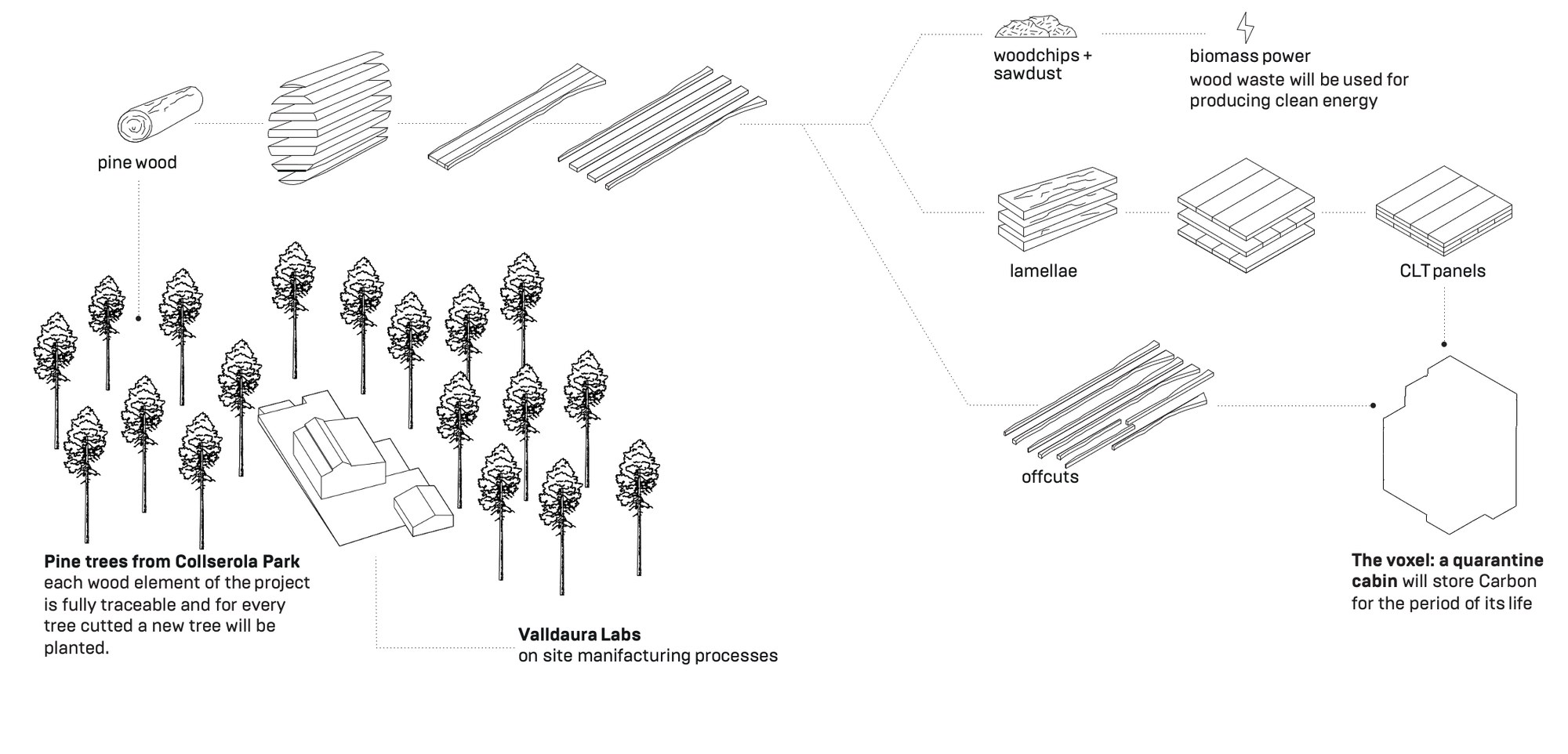
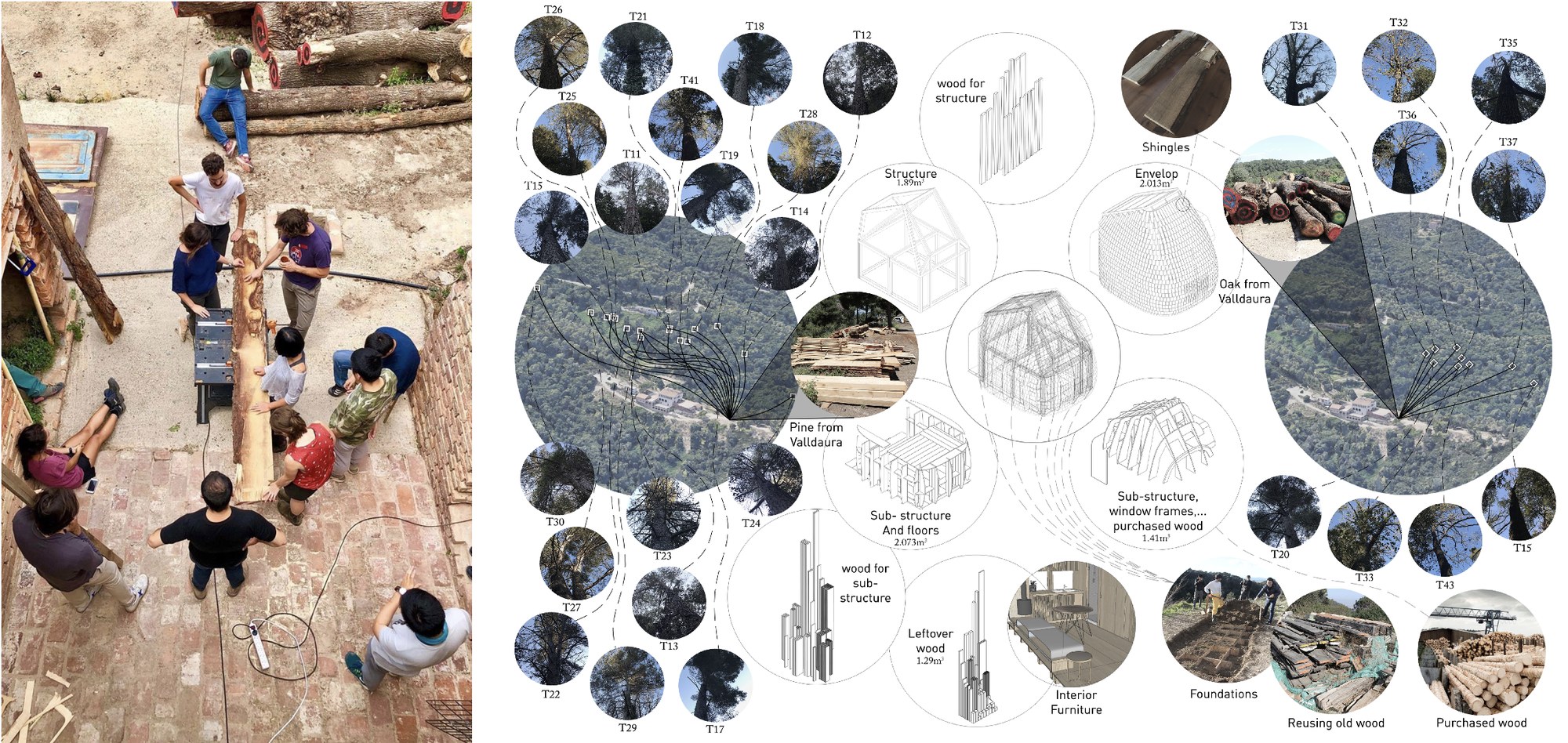
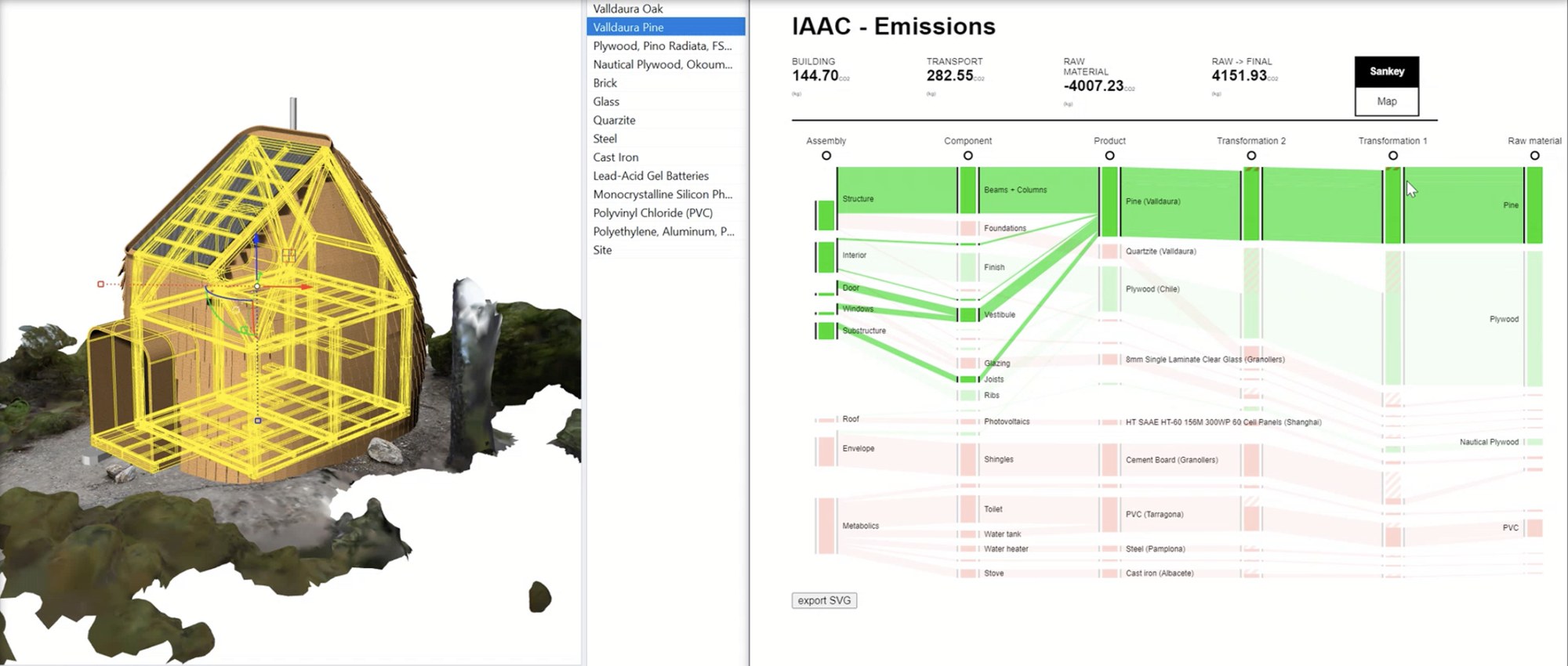
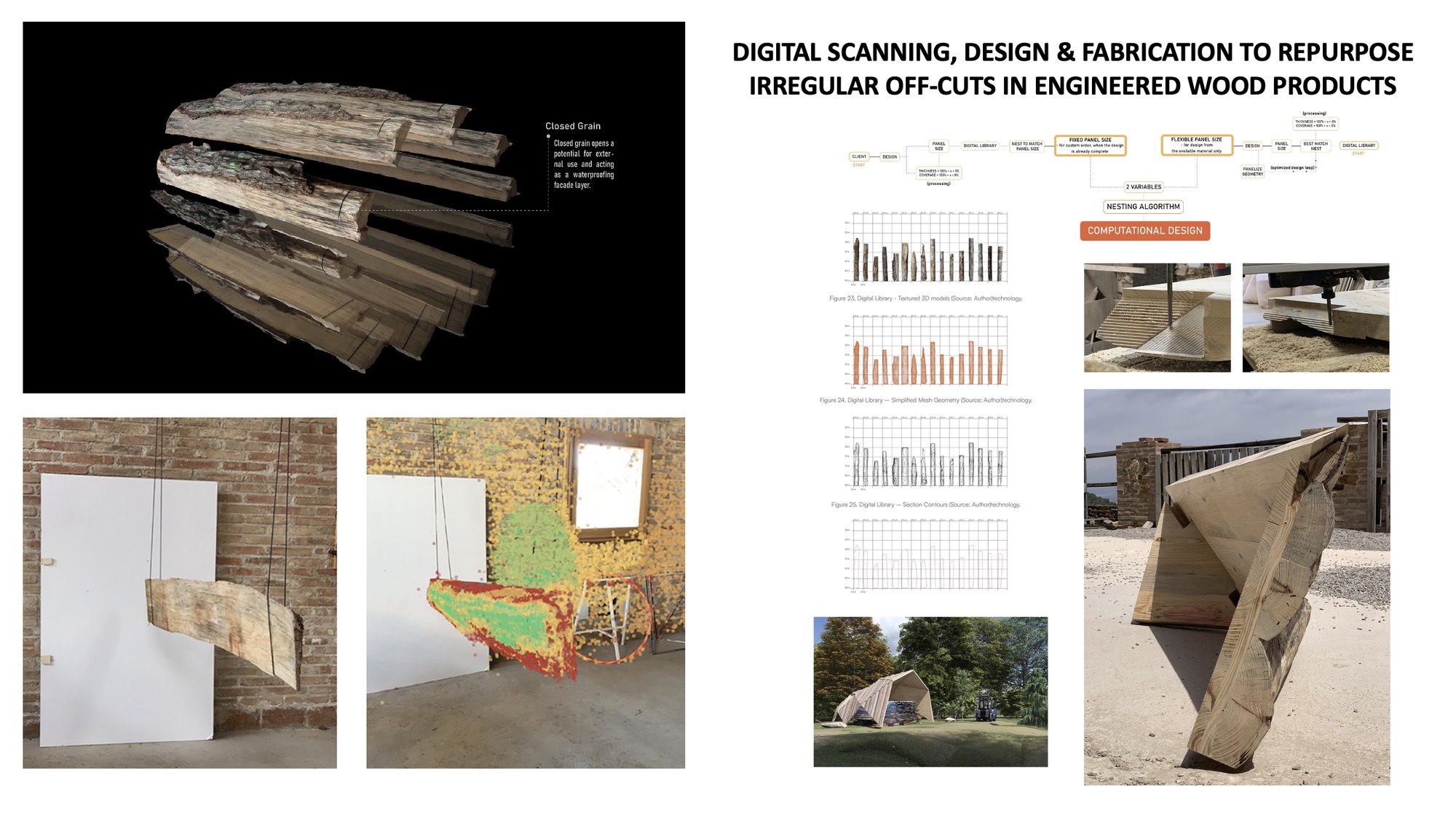
From forest scan to felled tree to milled, traceable CLT.
Valldaura — Sustainable Forest Management & Traceable Timber →